
Lessons CBSE Class 10 Students Learn Immediately After Board Exams
Discover the invaluable lessons learned by students after their board exams.
This blog explores the essential life lessons CBSE Class 10 students learn post-board exams, emphasizing personal growth and resilience.


Gaurav Parashar
@gauravparashar
Listen to this article
Lessons CBSE Class 10 Students Learn Immediately After Board Exams
The end of board exams marks a significant milestone in the lives of CBSE Class 10 students. While the primary focus during this period is on academics, the aftermath of these exams often reveals a treasure trove of life lessons that shape students into more resilient and self-aware individuals. As the pressure lifts, students begin to reflect on their experiences, leading to realizations that extend far beyond the classroom. In this blog, we will delve into the key lessons that students learn once the board exams are over, covering aspects such as understanding effort versus outcome, the importance of self-discipline, handling success and failure with maturity, prioritizing mental health, and recognizing the role of family and support systems.
What Students Realise Once Pressure Lifts
The immediate relief following the conclusion of board exams often brings a wave of introspection. Students may find themselves reflecting on the months of preparation, the late-night study sessions, and the anxiety that accompanied their exam days. This period of reflection can lead to several realizations:
Understanding the Journey: Many students come to appreciate the journey they undertook rather than just the destination. The struggles faced during preparation, the late-night revisions, and the support from teachers and peers all contribute to a holistic learning experience.
Value of Experience: Students learn that every experience, whether positive or negative, contributes to their personal growth. They begin to understand that the process of learning is just as important as the results.
Shift in Priorities: With the exams behind them, students often reassess their priorities. They may realize that grades are not the sole measure of their worth or potential.
This newfound perspective can be liberating, allowing students to approach future challenges with a more balanced mindset.
Understanding Effort Versus Outcome
One of the most significant lessons students learn post-exams is the distinction between effort and outcome. Many students invest countless hours studying, yet the results may not always reflect their hard work. This realization can be disheartening, but it also provides an opportunity for growth.
Students begin to understand that:
Effort is Key: The effort put into studying and understanding concepts is invaluable. Even if the results are not as expected, the knowledge gained and skills developed are long-lasting.
Learning from Mistakes: Failure can be a powerful teacher. Students learn to analyze what went wrong, whether it was a lack of understanding, poor time management, or stress during exams.
Resilience Matters: The ability to bounce back from setbacks is crucial. Students learn that resilience is built through facing challenges head-on and not shying away from difficult situations.
This understanding helps students approach future academic challenges with a healthier mindset, focusing on the process rather than just the outcome.
Learning About Self-Discipline
Self-discipline is a critical skill that students often develop during their exam preparation. The rigorous study schedules and the need to balance various subjects teach students the importance of managing their time effectively. After the exams, this lesson becomes even more apparent.
Students learn that:
Consistency is Crucial: Regular study habits lead to better retention of information. Students realize that cramming at the last minute is not an effective strategy.
Setting Goals: The ability to set realistic and achievable goals is a skill that students acquire. They learn to break down larger tasks into smaller, manageable ones, making it easier to stay on track.
Prioritizing Tasks: Understanding which subjects or topics require more attention helps students allocate their time wisely. This skill is essential not only in academics but also in personal and professional life.
By cultivating self-discipline, students are better equipped to handle future academic pressures and responsibilities.
Handling Failure and Success Maturely
The aftermath of board exams often brings a mix of emotions, including joy for some and disappointment for others. Students learn to navigate these feelings and handle both success and failure with maturity.
Key takeaways include:
Celebrating Achievements: For those who perform well, it’s a time to celebrate hard work and dedication. Students learn to acknowledge their efforts and the support they received along the way.
Accepting Disappointment: For those who do not achieve their desired results, it’s an opportunity to learn resilience. Students learn that setbacks are a part of life and do not define their capabilities or future.
Constructive Feedback: Understanding the importance of feedback helps students grow. They learn to seek constructive criticism and use it to improve in the future.
This maturity in handling emotions prepares students for the ups and downs of life beyond academics.
Importance of Mental Health
In the high-pressure environment of board exams, mental health often takes a backseat. However, once the exams are over, students begin to realize the significance of prioritizing their mental well-being.
They learn that:
Recognizing Stress: Students become more aware of their stress levels and the impact it has on their overall well-being. They learn to identify signs of burnout and the importance of taking breaks.
Seeking Help: The stigma around mental health is gradually diminishing. Students learn that it’s okay to seek help from friends, family, or professionals when feeling overwhelmed.
Practicing Self-Care: Engaging in activities that promote relaxation and happiness, such as hobbies, sports, or meditation, becomes essential for maintaining mental health.
This newfound understanding of mental health equips students to handle future pressures more effectively.
Role of Family and Support Systems
The journey through board exams is rarely a solitary one. Students often realize the vital role that family and support systems play in their academic journey.
They learn that:
Emotional Support: Family members often provide the emotional backing needed during stressful times. Students come to appreciate the encouragement and understanding from their loved ones.
Collaborative Learning: Engaging with peers and family in study sessions can enhance understanding and retention. Students learn the value of collaboration and teamwork.
Open Communication: Maintaining open lines of communication with family about academic pressures helps in alleviating stress. Students learn to express their feelings and concerns more effectively.
This recognition of support systems fosters stronger relationships and a sense of community.
Changing Perspective on Marks
One of the most profound shifts students experience post-exams is their perspective on marks. While grades are often seen as the ultimate goal, students begin to understand that they are merely a reflection of performance at a specific time.
Students learn that:
Marks Do Not Define Worth: A low score does not equate to a lack of intelligence or potential. Students learn to see themselves beyond their grades.
Continuous Learning: Education is a lifelong journey. Students realize that learning does not end with exams, and they should continue to seek knowledge and growth.
Personal Growth Over Competition: Focusing on personal improvement rather than competing with peers fosters a healthier mindset. Students learn to set personal benchmarks for success.
This shift in perspective helps students approach future academic challenges with a more balanced and positive mindset.
Carrying Lessons Forward
As students move beyond their board exams, the lessons learned during this period become invaluable tools for their future. The skills and insights gained can be applied in various aspects of life, from academics to personal relationships and career choices.
Students are encouraged to:
Reflect Regularly: Taking time to reflect on experiences and lessons learned can lead to continuous personal growth.
Set New Goals: Using the insights gained to set new academic and personal goals can help maintain motivation and direction.
Embrace Lifelong Learning: Understanding that education extends beyond the classroom encourages students to remain curious and open to new experiences.
By carrying these lessons forward, students are better prepared to face the challenges and opportunities that lie ahead.
In conclusion, the period following board exams is a transformative time for CBSE Class 10 students. The lessons learned during this phase extend far beyond academics, shaping them into more resilient, self-aware, and balanced individuals. As students reflect on their experiences, they gain valuable insights that will serve them well in their future endeavors. Embracing these lessons will not only enhance their academic journey but also enrich their lives in countless ways.
Suggested blogs

How AI Can Help Students Learn Smarter: A Student’s Perspective on Edzy
A CBSE student’s view on how Edzy supports consistency, revision, doubt-solving, and personalised learning.

How CBSE Class 10 Students Used Holidays to Discover New Interests
Exploring passions beyond academics during post-board holidays
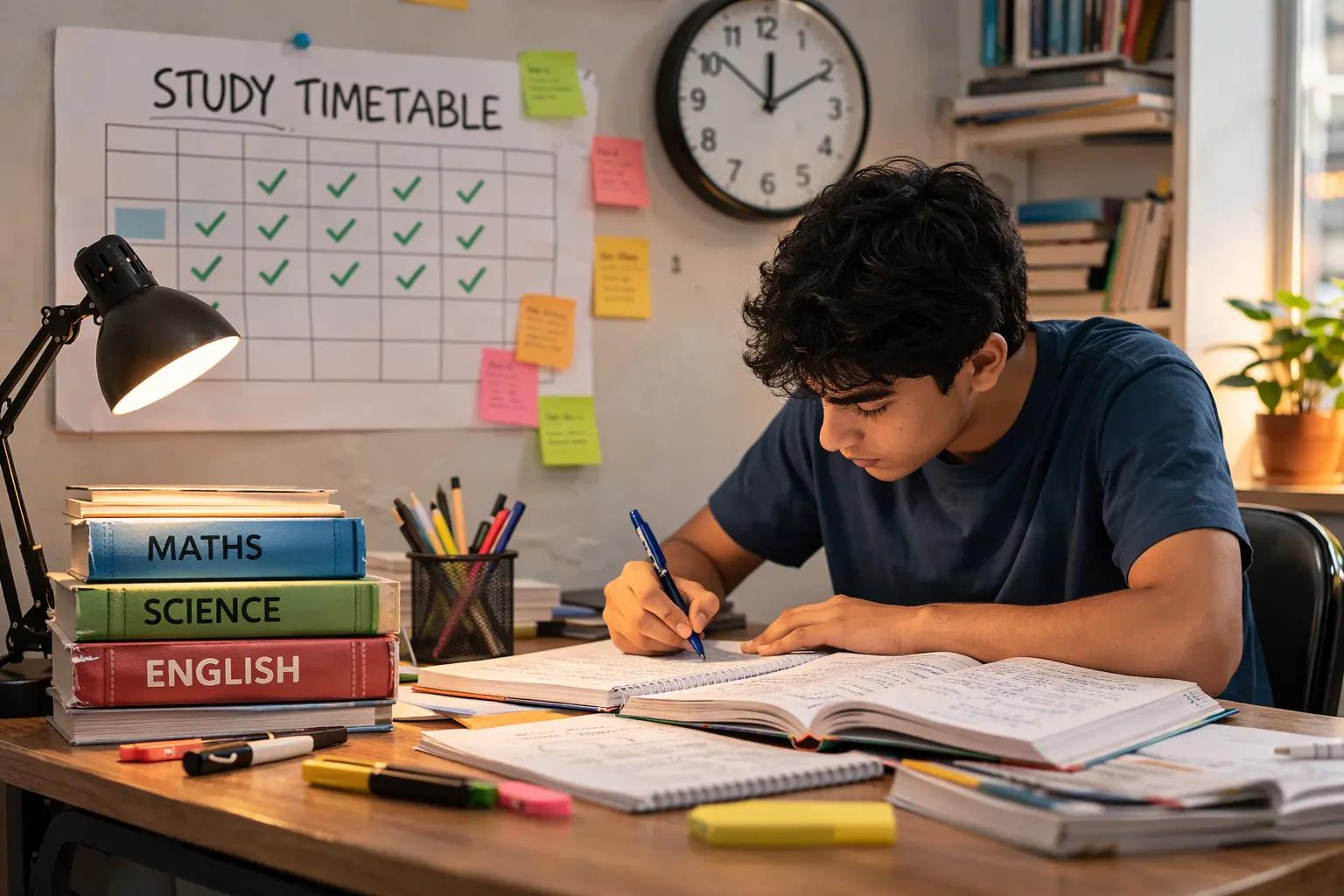
How a CBSE Class 10 Student Stayed Consistent Throughout Board Exams
Discover the journey of a student who mastered consistency during board exams.
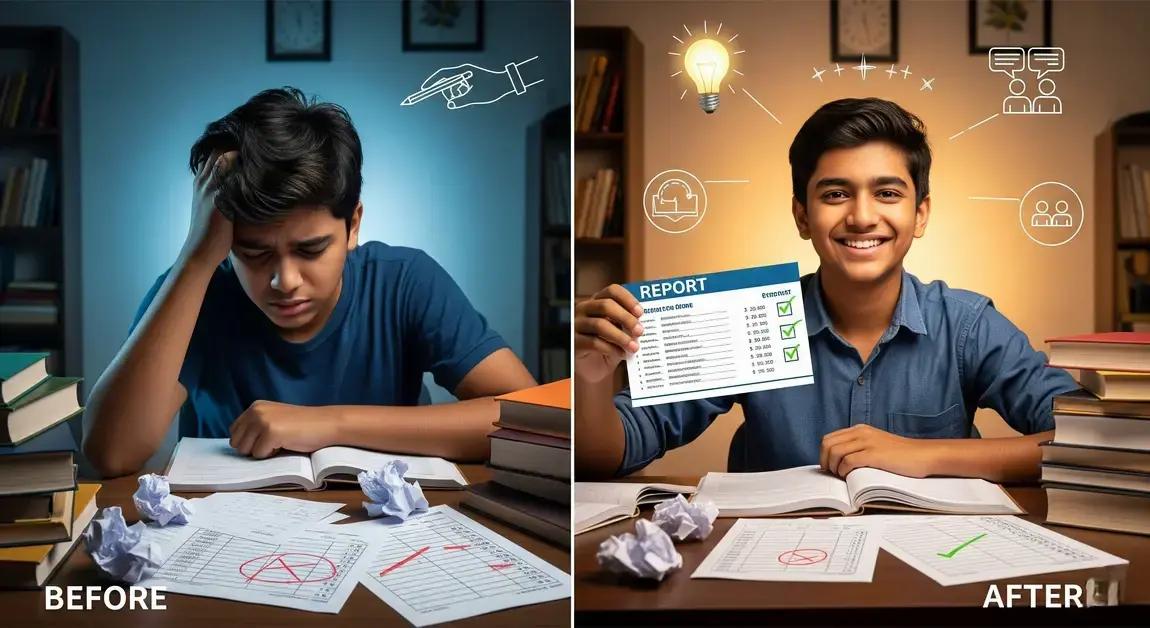
From Struggling to Succeeding Real Stories of CBSE Students Who Transformed Their Academic Journey
True CBSE success stories that prove it's never too late to turn things around