Edzy
AI TutorResourcesToolsCompareBuy
SearchDownload AppLogin
Edzy

Edzy for Classes 6-12

Edzy is a personal AI tutor for CBSE and State Board students, with curriculum-aligned guidance, practice, revision, and study plans that adapt to each learner.

  • Email: always@edzy.ai
  • Phone: +91 96256 68472
  • WhatsApp: +91 96256 68472
  • Address: Sector 63, Gurgaon, Haryana

Follow Edzy

Browse by Class

  • CBSE Class 6
  • CBSE Class 7
  • CBSE Class 8
  • CBSE Class 9
  • CBSE Class 10
  • CBSE Class 11
  • CBSE Class 12
Explore the CBSE resource hub

Explore Edzy

  • Study Resources
  • Free Study Tools
  • Best Apps for Board Exams
  • Edzy vs ChatGPT
  • About Us
  • Why We Built Edzy
  • Blog
  • CBSE AI Tutor

Support & Legal

  • Help & FAQs
  • Accessibility
  • Privacy Policy
  • Terms & Conditions
  • Refund Policy
  • Cookie Policy
  • Site Directory

© 2026 Edzy. All rights reserved.

Curriculum-aligned learning paths for students in Classes 6-12.

CBSE
Class 11
Political Science
Indian Constitution at Work
ELECTION AND REPRESENTATION

Question Bank

Practice Hub

Question Bank: ELECTION AND REPRESENTATION

This chapter discusses the constitutional provisions for elections in India, focusing on election methods and their significance for democracy.

Structured practice
Question Practice

Practice chapter questions in a cleaner, exam-ready flow

Start with curated question sets, move into full module views when needed, and keep discovering related practice without losing your place in the chapter.

Question Bank - ELECTION AND REPRESENTATION

View all (78)
Q1.

What is the primary method of voting used in Indian general elections?

Single Answer MCQ
Q-00072797
View explanation
Q2.

Which body is primarily responsible for overseeing elections in India?

Single Answer MCQ
Q-00072798
View explanation
Q3.

What does the term 'free and fair elections' imply?

Single Answer MCQ
Q-00072799
View explanation
Q4.

Which of the following is a disadvantage of the First Past the Post electoral system?

Single Answer MCQ
Q-00072800
View explanation
Q5.

What role does the Election Commission play in the context of party funding?

Single Answer MCQ
Q-00072801
View explanation
Q6.

In the context of the electoral system in India, what does 'universal adult franchise' mean?

Single Answer MCQ
Q-00072802
View explanation
Q7.

How does the Election Commission ensure free and fair elections?

Single Answer MCQ
Q-00072803
View explanation
Q8.

What is the primary purpose of conducting mock elections in educational settings?

Single Answer MCQ
Q-00072804
View explanation
Q9.

What is one major advantage of the First Past the Post system?

Single Answer MCQ
Q-00072805
View explanation
Q10.

Which of the following methods is used for the election of Rajya Sabha members in India?

Single Answer MCQ
Q-00072806
View explanation
Q11.

What is one of the main functions of the Election Commission during elections?

Single Answer MCQ
Q-00072807
View explanation
Q12.

What is a significant challenge faced by the Election Commission in India?

Single Answer MCQ
Q-00072808
View explanation
Q13.

Why is voter education important in the electoral process?

Single Answer MCQ
Q-00072809
View explanation
Q14.

Which constitutional amendment granted the right to vote to citizens aged 18 and above?

Single Answer MCQ
Q-00072810
View explanation
Q15.

What is the main purpose of elections in a democracy?

Single Answer MCQ
Q-00072824
View explanation
Q16.

Which of the following is NOT a characteristic of a democratic election?

Single Answer MCQ
Q-00072825
View explanation
Q17.

What is the distinction between direct and indirect democracy?

Single Answer MCQ
Q-00072826
View explanation
Q18.

Which body is responsible for overseeing elections in India?

Single Answer MCQ
Q-00072827
View explanation
Q19.

In what way can a non-democratic election still appear democratic?

Single Answer MCQ
Q-00072828
View explanation
Q20.

What role does the constitution play in democratic elections?

Single Answer MCQ
Q-00072829
View explanation
Q21.

Which of the following best describes the function of political parties in elections?

Single Answer MCQ
Q-00072830
View explanation
Q22.

Which factor is crucial for ensuring free and fair elections?

Single Answer MCQ
Q-00072831
View explanation
Q23.

If citizens do not participate in elections, which democracy principle is threatened?

Single Answer MCQ
Q-00072832
View explanation
Q24.

What is one significant difference between a democratic and a non-democratic election regarding candidate eligibility?

Single Answer MCQ
Q-00072833
View explanation
Q25.

Why is it important to have specific eligibility criteria for voters in a democracy?

Single Answer MCQ
Q-00072834
View explanation
Q26.

How can the frequency of elections impact democracy?

Single Answer MCQ
Q-00072835
View explanation
Q27.

What is the primary role of the Election Commission in India?

Single Answer MCQ
Q-00072836
View explanation
Q28.

Which of the following is a characteristic of free and fair elections?

Single Answer MCQ
Q-00072837
View explanation
Q29.

Which constitutional provision aims to ensure the independence of the Election Commission in India?

Single Answer MCQ
Q-00072838
View explanation
Q30.

What percentage of women is reserved for elections in the Indian Parliament according to recommendations?

Single Answer MCQ
Q-00072839
View explanation
Q31.

Which of the following practices is prohibited during campaigns in free and fair elections?

Single Answer MCQ
Q-00072840
View explanation
Q32.

What is one significant challenge faced by the Election Commission in India?

Single Answer MCQ
Q-00072841
View explanation
Q33.

Why is the periodicity of elections important in a democracy?

Single Answer MCQ
Q-00072842
View explanation
Q34.

What is the relationship between electoral reforms and the integrity of elections?

Single Answer MCQ
Q-00072843
View explanation
Q35.

What role do political parties play in ensuring free and fair elections?

Single Answer MCQ
Q-00072844
View explanation
Q36.

Which of the following functions should the Election Commission perform?

Single Answer MCQ
Q-00072845
View explanation
Q37.

What is an outcome of having free and fair elections in a democracy?

Single Answer MCQ
Q-00072846
View explanation
Q38.

What can citizens do to ensure the integrity of elections?

Single Answer MCQ
Q-00072847
View explanation
Q39.

Why is it significant for elections to reflect the social composition of the electorate?

Single Answer MCQ
Q-00072848
View explanation
Q40.

What is the primary purpose of reserving constituencies in India?

Single Answer MCQ
Q-00072849
View explanation
Q41.

Which article of the Indian Constitution deals with the reservation of seats for Scheduled Castes and Scheduled Tribes?

Single Answer MCQ
Q-00072850
View explanation
Q42.

How is the reservation of constituencies intended to affect electoral representation?

Single Answer MCQ
Q-00072851
View explanation
Q43.

What mechanism was used instead of separate electorates to ensure representation for minorities?

Single Answer MCQ
Q-00072852
View explanation
Q44.

Which of the following statements accurately reflects the philosophy behind the reservation system in India?

Single Answer MCQ
Q-00072853
View explanation
Q45.

Why was the system of separate electorates rejected by the Constitution makers?

Single Answer MCQ
Q-00072854
View explanation
Q46.

In which of the following scenarios would the reservation of constituencies not apply?

Single Answer MCQ
Q-00072855
View explanation
Q47.

Which groups are primarily beneficiaries of the reservation policy in India?

Single Answer MCQ
Q-00072856
View explanation
Q48.

How does the reservation of constituencies impact the electoral competition?

Single Answer MCQ
Q-00072857
View explanation
Q49.

Which of the following best describes the extent of reservation for women in Indian legislatures?

Single Answer MCQ
Q-00072858
View explanation
Q50.

What is the main concern regarding the effectiveness of constituency reservation?

Single Answer MCQ
Q-00072859
View explanation
Q51.

What significance does the reservation of constituencies carry for democracy in India?

Single Answer MCQ
Q-00072860
View explanation
Q52.

In what year was the first law for the reservation of constituencies enacted in India?

Single Answer MCQ
Q-00072861
View explanation
Q53.

Which one of the following statements about the reservation of constituencies is incorrect?

Single Answer MCQ
Q-00072862
View explanation
Q54.

What is the primary purpose of electoral reforms?

Single Answer MCQ
Q-00072863
View explanation
Q55.

Which of the following is NOT a method of election prescribed in the Indian Constitution?

Single Answer MCQ
Q-00072864
View explanation
Q56.

Which body is responsible for conducting elections in India?

Single Answer MCQ
Q-00072865
View explanation
Q57.

What is a key feature of the first-past-the-post electoral system?

Single Answer MCQ
Q-00072866
View explanation
Q58.

What electoral reform requires the use of electronic voting machines?

Single Answer MCQ
Q-00072867
View explanation
Q59.

Which of the following is an argument in favor of introducing proportional representation?

Single Answer MCQ
Q-00072868
View explanation
Q60.

What is a potential disadvantage of the first-past-the-post system?

Single Answer MCQ
Q-00072869
View explanation
Q61.

The Representation of the People Act, 1950 aims to do which of the following?

Single Answer MCQ
Q-00072870
View explanation
Q62.

Which of the following reforms aims to reduce the influence of money in elections?

Single Answer MCQ
Q-00072871
View explanation
Q63.

Which term describes a system that combines elements of both direct and indirect elections?

Single Answer MCQ
Q-00072872
View explanation
Q64.

What challenge might arise from mandatory voting reforms?

Single Answer MCQ
Q-00072873
View explanation
Q65.

How does the concept of 'free and fair elections' affect democracy?

Single Answer MCQ
Q-00072874
View explanation
Q66.

Which of the following is a common proposal for electoral reform in India?

Single Answer MCQ
Q-00072875
View explanation
Q67.

What article of the Indian Constitution provides for the establishment of the Election Commission?

Single Answer MCQ
Q-00072876
View explanation
Q68.

Which of the following is NOT a responsibility of the Election Commission of India?

Single Answer MCQ
Q-00072877
View explanation
Q69.

Who appoints the Chief Election Commissioner in India?

Single Answer MCQ
Q-00072878
View explanation
Q70.

What major change occurred to the structure of the Election Commission in India around 1993?

Single Answer MCQ
Q-00072879
View explanation
Q71.

What is the maximum term length for an Election Commissioner in India?

Single Answer MCQ
Q-00072880
View explanation
Q72.

Which body within the Election Commission presides over decision-making?

Single Answer MCQ
Q-00072881
View explanation
Q73.

What change was proposed regarding the appointment process of the Election Commissioners?

Single Answer MCQ
Q-00072882
View explanation
Q74.

What is a key function of the Election Commission regarding elections?

Single Answer MCQ
Q-00072883
View explanation
Q75.

What led to the formation of a multi-member Election Commission?

Single Answer MCQ
Q-00072884
View explanation
Q76.

The Election Commission is responsible for which of the following?

Single Answer MCQ
Q-00072885
View explanation
Q77.

The concept of 'special majority' is used in which context?

Single Answer MCQ
Q-00072886
View explanation
Q78.

What key characteristic of the Election Commission helps ensure free and fair elections?

Single Answer MCQ
Q-00072887
View explanation
Learn Better On The App
Free learning flow

Learn Without Limits

Access NCERT content for free with a cleaner, faster way to revise every day.

Chapter summaries
Revision tools

Faster access to practice, revision, and daily study flow.

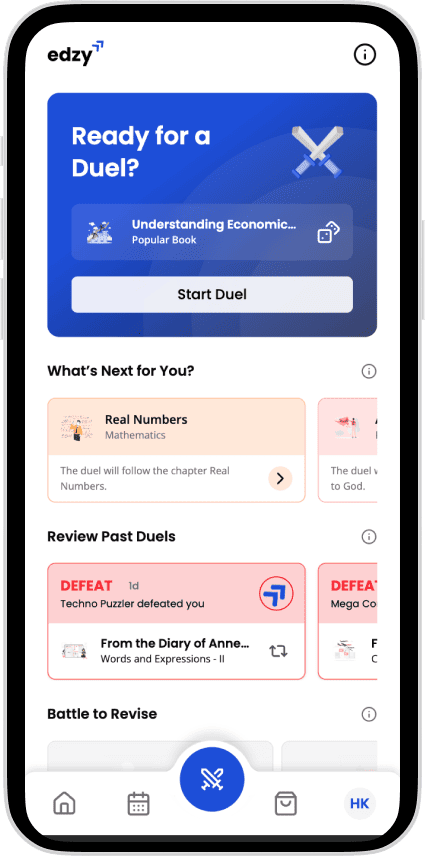
Edzy mobile app preview