Edzy
AI TutorResourcesToolsCompareBuy
SearchDownload AppLogin
Edzy

Edzy for Classes 6-12

Edzy is a personal AI tutor for CBSE and State Board students, with curriculum-aligned guidance, practice, revision, and study plans that adapt to each learner.

  • Email: always@edzy.ai
  • Phone: +91 96256 68472
  • WhatsApp: +91 96256 68472
  • Address: Sector 63, Gurgaon, Haryana

Follow Edzy

Browse by Class

  • CBSE Class 6
  • CBSE Class 7
  • CBSE Class 8
  • CBSE Class 9
  • CBSE Class 10
  • CBSE Class 11
  • CBSE Class 12
Explore the CBSE resource hub

Explore Edzy

  • Study Resources
  • Free Study Tools
  • Best Apps for Board Exams
  • Edzy vs ChatGPT
  • About Us
  • Why We Built Edzy
  • Blog
  • CBSE AI Tutor

Support & Legal

  • Help & FAQs
  • Accessibility
  • Privacy Policy
  • Terms & Conditions
  • Refund Policy
  • Cookie Policy
  • Site Directory

© 2026 Edzy. All rights reserved.

Curriculum-aligned learning paths for students in Classes 6-12.

CBSE
Class 12
Business Studies
Business Studies - I
Organising
Question Bank

Question Bank - Organising

Practice Hub

Question Bank: Organising

This chapter explains the concept and importance of organizing in business. It covers the steps involved in organizing and different organizational structures, highlighting how they contribute to achieving business goals.

Structured practice

Question Bank - Organising

Q1.

What is a key benefit of the organising function in a business?

Single Answer MCQ
Q-00092422
View explanation
Q2.

How does organising contribute to effective administration?

Single Answer MCQ
Q-00092423
View explanation
Q3.

Which aspect of organising helps in avoiding duplications of work?

Single Answer MCQ
Q-00092424
View explanation
Q4.

What is the significance of clarity in working relationships?

Single Answer MCQ
Q-00092425
View explanation
Q5.

How does organising assist in adapting to changes in the business environment?

Single Answer MCQ
Q-00092426
View explanation
Q6.

Which method of organisation is most likely to enhance customer orientation?

Single Answer MCQ
Q-00092427
View explanation
Q7.

What is an advantage of having a functional organisation?

Single Answer MCQ
Q-00092428
View explanation
Q8.

What role does delegation play in the organising process?

Single Answer MCQ
Q-00092429
View explanation
Q9.

Why is optimum utilisation of resources a critical aspect of organising?

Single Answer MCQ
Q-00092430
View explanation
Q10.

What is a disadvantage of an informal organisation?

Single Answer MCQ
Q-00092431
View explanation
Q11.

What differentiates decentralisation from delegation?

Single Answer MCQ
Q-00092432
View explanation
Q12.

Which of the following demonstrates a functional organisation structure?

Single Answer MCQ
Q-00092433
View explanation
Q13.

In which situation is a divisional organisation likely to be more effective than a functional organisation?

Single Answer MCQ
Q-00092434
View explanation
Q14.

What is the impact of specialisation in the context of organising?

Single Answer MCQ
Q-00092435
View explanation
Q15.

What factor should be considered for effective organisational structure?

Single Answer MCQ
Q-00092436
View explanation
Q16.

What is a key characteristic of a formal organization?

Single Answer MCQ
Q-00092437
View explanation
Q17.

Which of the following best describes an informal organization?

Single Answer MCQ
Q-00092438
View explanation
Q18.

In which type of organization does authority come from position?

Single Answer MCQ
Q-00092439
View explanation
Q19.

What role does communication flow have in a formal organization?

Single Answer MCQ
Q-00092440
View explanation
Q20.

What defines a functional structure in an organization?

Single Answer MCQ
Q-00092441
View explanation
Q21.

What could be a disadvantage of informal organizations?

Single Answer MCQ
Q-00092442
View explanation
Q22.

Which of the following is a disadvantage of functional structure?

Single Answer MCQ
Q-00092443
View explanation
Q23.

Which type of organization is characterized by a clear division of roles and responsibilities with specific departmental objectives?

Single Answer MCQ
Q-00092444
View explanation
Q24.

What best describes a divisional structure?

Single Answer MCQ
Q-00092445
View explanation
Q25.

How does informal organization contribute to organizational objectives?

Single Answer MCQ
Q-00092446
View explanation
Q26.

In which situation is a divisional structure most suitable?

Single Answer MCQ
Q-00092447
View explanation
Q27.

What is the primary reason for delegation in a business organization?

Single Answer MCQ
Q-00092448
View explanation
Q28.

What is a main advantage of functional structures?

Single Answer MCQ
Q-00092449
View explanation
Q29.

Which element differentiates delegation from abdication?

Single Answer MCQ
Q-00092450
View explanation
Q30.

Which statement about the divisional structure is FALSE?

Single Answer MCQ
Q-00092451
View explanation
Q31.

What can be a consequence of ignoring the existence of informal organizations?

Single Answer MCQ
Q-00092452
View explanation
Q32.

Which structure is likely to face coordination issues due to specialization?

Single Answer MCQ
Q-00092453
View explanation
Q33.

Which of the following statements about formal organizations is NOT true?

Single Answer MCQ
Q-00092454
View explanation
Q34.

In a functional organizational structure, which function is least likely to be included?

Single Answer MCQ
Q-00092455
View explanation
Q35.

Which organizational structure is likely to create silos leading to communication barriers?

Single Answer MCQ
Q-00092456
View explanation
Q36.

What might limit employee growth opportunities in a functional structure?

Single Answer MCQ
Q-00092457
View explanation
Q37.

What is a major advantage of decentralized management as identified in Wipro’s restructuring?

Single Answer MCQ
Q-00092458
View explanation
Q38.

What drives the decision to adopt a divisional structure?

Single Answer MCQ
Q-00092459
View explanation
Q39.

How does a functional structure typically organize departments?

Single Answer MCQ
Q-00092460
View explanation
Q40.

Which organizational structure is best for a small family business with limited product lines?

Single Answer MCQ
Q-00092461
View explanation
Q41.

Which of the following is NOT a characteristic of informal organization?

Single Answer MCQ
Q-00092462
View explanation
Q42.

What is the primary purpose of delegation in an organization?

Single Answer MCQ
Q-00092463
View explanation
Q43.

According to Louis Allen, what are the essential elements of delegation?

Single Answer MCQ
Q-00092464
View explanation
Q44.

How does effective delegation contribute to personnel development?

Single Answer MCQ
Q-00092465
View explanation
Q45.

Which statement correctly describes the concept of authority in the context of delegation?

Single Answer MCQ
Q-00092466
View explanation
Q46.

What is a key characteristic that distinguishes decentralisation from delegation?

Single Answer MCQ
Q-00092467
View explanation
Q47.

What could be a potential consequence of not delegating tasks?

Single Answer MCQ
Q-00092468
View explanation
Q48.

What primarily motivates companies to adopt decentralisation?

Single Answer MCQ
Q-00092469
View explanation
Q49.

What is the relationship between authority and accountability in delegation?

Single Answer MCQ
Q-00092470
View explanation
Q50.

Which of the following is NOT a characteristic of decentralisation?

Single Answer MCQ
Q-00092471
View explanation
Q51.

Why is decentralisation considered an optional policy decision for top management?

Single Answer MCQ
Q-00092472
View explanation
Q52.

In a decentralised organisation, who typically has the most decision-making authority?

Single Answer MCQ
Q-00092473
View explanation
Q53.

In a hierarchical organization, where does authority typically begin?

Single Answer MCQ
Q-00092474
View explanation
Q54.

What is one advantage of decentralisation?

Single Answer MCQ
Q-00092475
View explanation
Q55.

What is a common misconception about delegation?

Single Answer MCQ
Q-00092476
View explanation
Q56.

Which of the following is a potential drawback of decentralisation?

Single Answer MCQ
Q-00092477
View explanation
Q57.

Which of the following does effective delegation NOT promote?

Single Answer MCQ
Q-00092478
View explanation
Q58.

How does decentralisation affect the speed of decision-making?

Single Answer MCQ
Q-00092479
View explanation
Q59.

What is the main reason managers may resist delegation?

Single Answer MCQ
Q-00092480
View explanation
Q60.

Which statement best describes the relationship between decentralisation and delegation?

Single Answer MCQ
Q-00092481
View explanation
Q61.

How does delegation foster innovation within an organization?

Single Answer MCQ
Q-00092482
View explanation
Q62.

Which of the following best represents a common misconception about decentralisation?

Single Answer MCQ
Q-00092483
View explanation
Q63.

What is the effect of poor delegation on decision-making speed?

Single Answer MCQ
Q-00092484
View explanation
Q64.

What is a primary reason a company might choose to decentralise?

Single Answer MCQ
Q-00092485
View explanation
Q65.

Which term describes the process of granting authority to lower levels in a company?

Single Answer MCQ
Q-00092486
View explanation
Q66.

Which of the following is an expected outcome of effective decentralisation?

Single Answer MCQ
Q-00092487
View explanation
Q67.

Which management theory advocates decentralisation as a means to enhance flexibility and innovation?

Single Answer MCQ
Q-00092488
View explanation
Q68.

Under which condition might a company choose to centralise instead of decentralise?

Single Answer MCQ
Q-00092489
View explanation
Q69.

What key element is critical in establishing a successful decentralised system?

Single Answer MCQ
Q-00092490
View explanation
Q70.

What does 'span of management' refer to in an organisational structure?

Single Answer MCQ
Q-00103589
View explanation
Q71.

Which structure divides an organisation by major functions?

Single Answer MCQ
Q-00103590
View explanation
Q72.

Why is an organisational structure essential for a business?

Single Answer MCQ
Q-00103591
View explanation
Q73.

What type of authority relationship maintains order in an organisation?

Single Answer MCQ
Q-00103592
View explanation
Q74.

What is the primary distinction between delegation and decentralisation?

Single Answer MCQ
Q-00103593
View explanation
Q75.

What is the role of responsibility in an organisational structure?

Single Answer MCQ
Q-00103594
View explanation
Q76.

In a functional structure, which of the following roles would typically be found?

Single Answer MCQ
Q-00103595
View explanation
Q77.

What is the primary advantage of a divisional structure?

Single Answer MCQ
Q-00103596
View explanation
Q78.

What limits a superior's authority?

Single Answer MCQ
Q-00103597
View explanation
Q79.

Which statement best describes decentralisation?

Single Answer MCQ
Q-00103598
View explanation
Q80.

Why is it important for an organisation to establish clear lines of authority?

Single Answer MCQ
Q-00103599
View explanation
Q81.

An organisational structure primarily affects which aspect of a business?

Single Answer MCQ
Q-00103600
View explanation
Q82.

How does the choice of organisational structure impact decision-making speed?

Single Answer MCQ
Q-00103601
View explanation
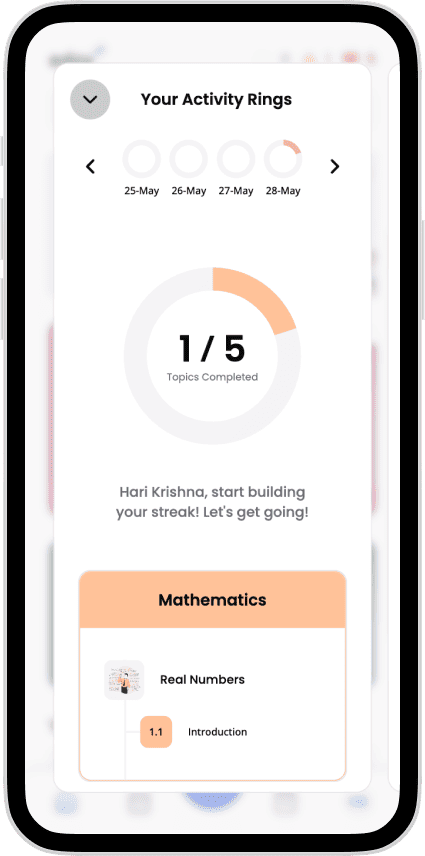
Learn Better On The App
Gamified progress

Learning That Feels Rewarding

Earn XP, unlock badges, and turn revision into a habit that feels motivating.

XP and badges
Higher engagement

Faster access to practice, revision, and daily study flow.

Edzy mobile app preview