Edzy
AI TutorResourcesToolsCompareBuy
SearchDownload AppLogin
Edzy

Edzy for Classes 6-12

Edzy is a personal AI tutor for CBSE and State Board students, with curriculum-aligned guidance, practice, revision, and study plans that adapt to each learner.

  • Email: always@edzy.ai
  • Phone: +91 96256 68472
  • WhatsApp: +91 96256 68472
  • Address: Sector 63, Gurgaon, Haryana

Follow Edzy

Browse by Class

  • CBSE Class 6
  • CBSE Class 7
  • CBSE Class 8
  • CBSE Class 9
  • CBSE Class 10
  • CBSE Class 11
  • CBSE Class 12
Explore the CBSE resource hub

Explore Edzy

  • Study Resources
  • Free Study Tools
  • Best Apps for Board Exams
  • Edzy vs ChatGPT
  • About Us
  • Why We Built Edzy
  • Blog
  • CBSE AI Tutor

Support & Legal

  • Help & FAQs
  • Accessibility
  • Privacy Policy
  • Terms & Conditions
  • Refund Policy
  • Cookie Policy
  • Site Directory

© 2026 Edzy. All rights reserved.

Curriculum-aligned learning paths for students in Classes 6-12.

Chapter Hub

Timeline and Sources of History

Explore the chapter 'Timeline and Sources of History' from 'Exploring Society India and Beyond' for Class 6 students. Gain insights into how we measure historical time and the vital sources that help us understand our past.

Summary, practice, and revision
CBSE
Class 6
Social Science
Exploring Society India and Beyond

Timeline and Sources of History

Download NCERT Chapter PDF for Timeline and Sources of History – Latest Edition

Access Free NCERT PDFs & Study Material on Edzy – Official, Anytime, Anywhere

Live Challenge Mode

Ready to Duel?

Challenge friends on the same chapter, answer fast, and sharpen your concepts in a focused 1v1 battle.

NCERT-aligned questions
Perfect for friends and classmates

Why start now

Quick, competitive practice with instant momentum and zero setup.

More about chapter "Timeline and Sources of History"

The chapter 'Timeline and Sources of History' provides an overview of the fundamental aspects of historical study, emphasizing the importance of understanding our past to grasp the present. It introduces various methods of measuring historical time, including the use of cultural calendars and the impact of pivotal events. Key topics include the roles of geologists, paleontologists, anthropologists, and archaeologists in uncovering history. Furthermore, it discusses the evolution of agricultural practices post-Ice Age and the societal changes that emerged from improved living conditions. The chapter underlines the significance of different sources of history, such as artifacts and documents, in reconstructing historical narratives and highlights the challenges historians face in interpreting them accurately.
Learn Better On The App
Free learning flow

Learn Without Limits

Access NCERT content for free with a cleaner, faster way to revise every day.

Chapter summaries
Revision tools

Faster access to practice, revision, and daily study flow.

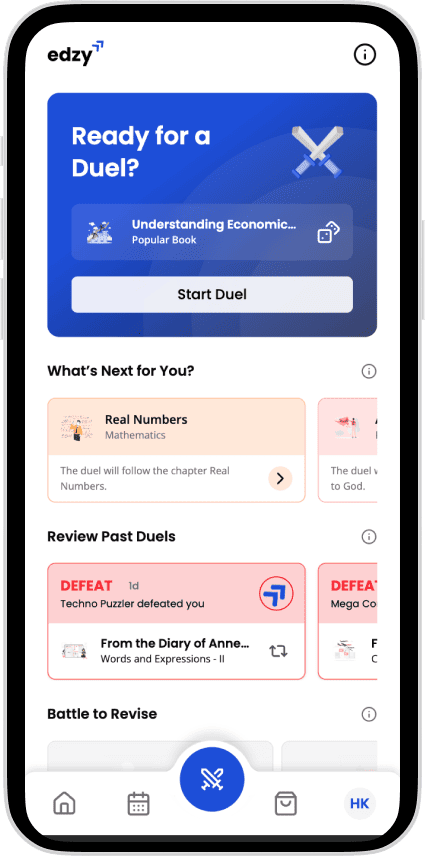
Edzy mobile app preview

Class 6: Timeline and Sources of History - Exploring Society India and Beyond

Dive into Class 6's 'Timeline and Sources of History' chapter to understand how we measure historical time and the essential sources that unravel the past. Perfect for Social Science learners.

Historical time is measured using various calendars, such as the Gregorian calendar, which is widely recognized today. Significant events, such as births of notable figures or major societal changes, often serve as reference points for these measures. Additionally, terms like century (100 years) and millennium (1,000 years) help contextualize historical timelines.
Historical sources can be categorized into primary and secondary sources. Primary sources include artifacts like coins, documents, and personal letters, while secondary sources are interpretations or analyses of primary sources, such as textbooks or articles. Both types are crucial for reconstructing historical narratives.
Various sources, including artifacts, oral histories, and written documents, provide insights and context about past events. They allow historians to piece together narratives and understand different perspectives, aiding in the reconstruction of history. Access to multiple sources helps mitigate biases and contradictions.
Early humans lived as nomadic hunter-gatherers, relying on the natural environment for food, shelter, and resources. They formed small groups to hunt animals and gather plants. As climates changed, particularly after the Ice Age, they began to settle and practice agriculture, leading to more complex societies.
Timelines serve as visual representations that organize historical events chronologically. They help students and historians understand the sequence and context of events, facilitating a clearer comprehension of how historical developments are interconnected. Timelines also highlight significant milestones in human history.
Archaeologists excavate and study physical remnants of past human life, such as tools, pottery, and structures. Their findings contribute valuable insights into the lifestyles, cultures, and societies of ancient peoples, helping historians piece together historical narratives and understand human evolution.
Fossils are preserved remains of ancient plants and animals found in sedimentary rock. They provide significant information about the evolutionary history of life on Earth, climate changes, and the environments in which these organisms lived. Paleontologists study fossils to understand biological and ecological transitions over time.
Anthropologists study human societies, cultures, and their development throughout history. They analyze social structures, customs, and beliefs, helping contextualize historical events within the broader scope of human experience. Their work enriches our understanding of how cultures evolve over time.
Climate has significantly influenced human history by impacting agriculture, settlement patterns, and population growth. Changes in climate can lead to resource scarcity or abundance, pushing societies to adapt. For instance, the post-Ice Age climate shift prompted early humans to transition from nomadic lifestyles to agriculture.
Community management structures in early societies often relied on leaders or chiefs to organize and govern. As populations grew and villages formed, these leaders helped manage resources, resolve conflicts, and maintain social order, laying the groundwork for more complex political systems over time.
Having multiple historical sources is essential because they provide diverse perspectives and help verify facts. Different sources may present conflicting information, and analyzing them allows historians to build a more balanced, accurate narrative of past events, reducing the risk of bias.
The Gregorian calendar is distinctive as it is the most widely used civil calendar worldwide. It organizes years into the periods Before Christ (BC) and Anno Domini (AD), with no year zero, differentiating it from other calendars. This structure has made it a standard reference point for measuring historical time.
Significant historical events serve as crucial reference points for timelines, affecting how we categorize and remember periods in history. Events like the birth of Christ or the independence of countries provide context for understanding the progression of societies and their developments over time.
Historical artifacts, such as tools, coins, and pottery, provide tangible evidence of past societies and their cultures. They offer insights into daily life, economic systems, and artistic expressions, allowing historians to reconstruct aspects of history that written records may miss.
Agricultural developments significantly transformed societies by enabling people to settle in one location, leading to population growth and the establishment of villages. This transition from hunting and gathering to farming laid the foundation for complex societies and advancements in technology and culture.
Historians face challenges such as bias, incomplete records, and contradictions among sources. The need to discern the reliability of different accounts complicates the task of reconstructing history. They must critically analyze and correlate multiple sources to construct accurate narratives.
Personal histories provide a micro perspective within broader historical narratives. By reflecting on formative memories and individual experiences, students can grasp the connection between their lives and larger societal changes, making history more relatable and engaging.
Understanding historical context is vital for interpreting events accurately. It allows individuals to analyze how societal, cultural, and political factors influence historical developments. By comprehending the conditions surrounding events, we gain insights into motivations and consequences that shaped our world.
The study of history benefits society by fostering critical thinking, understanding of cultural diversity, and lessons from past mistakes. It informs current social issues and provides perspective on contemporary challenges, facilitating a more informed and engaged citizenry.
Key periods in the timeline of human history include the Stone Age, Bronze Age, Iron Age, and various civilizations such as Egypt, Greece, and Rome. Each period represents significant advancements in technology, governance, and culture, contributing to the foundation of modern societies.
Cultural artifacts preserve history by serving as physical remnants of past societies, capturing aspects of daily life, rituals, and beliefs. They provide valuable insights into cultural practices and societal structures, allowing historians to piece together the narratives and legacy of diverse communities.
Narratives play a crucial role in historical understanding as they convey the stories and experiences of people throughout time. They help shape our perception of history and can influence how we interpret events, providing context and emotional connection to the past.
History is considered an 'unending dialogue' because it continuously interacts with the present, informing our understanding of current events through lessons learned from the past. This perspective reflects the dynamic relationship between historical contexts and contemporary societal issues.

Chapters related to "Timeline and Sources of History"

Why Social Science?

Start chapter

Oceans and Continents

Start chapter

Landforms and Life

Start chapter

India, That Is Bharat

Start chapter

The Beginnings of Indian Civilisation

Start chapter

India’s Cultural Roots

Start chapter

Unity in Diversity, or ‘Many in the One’

Start chapter

Family and Community

Start chapter

Grassroots Democracy — Part 1: Governance

Start chapter

Grassroots Democracy — Part 2: Local Government 163 in Rural Area

Start chapter

Timeline and Sources of History Summary, Important Questions & Solutions | All Subjects

Question Bank

Worksheet

Revision Guide