
CBSE Issues Advisory on Misleading Information on Social Media: Legal Action Against Defaulters
Understanding the Implications of CBSE's Advisory for Students and Parents
The Central Board of Secondary Education (CBSE) has issued an advisory to combat misleading information circulating on social media platforms. This article explores the advisory's implications for students, parents, and educational institutions.

Listen to this article
CBSE Issues Advisory on Misleading Information on Social Media: Legal Action Against Defaulters
Introduction
In a significant move aimed at safeguarding the integrity of education in India, the Central Board of Secondary Education (CBSE) has issued an advisory regarding the rampant spread of misleading information on social media. This advisory, dated March 16, 2026, emphasizes the need for vigilance among students, parents, and educational institutions. The CBSE has also announced potential legal actions against those who disseminate false information, marking a proactive approach to maintaining the credibility of educational standards.
The Rise of Misinformation in Education
In recent years, the proliferation of social media has transformed how information is shared and consumed. While this has enabled rapid dissemination of knowledge, it has also led to the spread of misinformation, particularly concerning educational policies, examination procedures, and academic performance. Students and parents often find themselves navigating a maze of conflicting information, which can lead to confusion and anxiety.
Types of Misinformation
Fake News: Stories that are entirely fabricated, often designed to provoke emotional responses.
Misleading Statistics: Data presented without context, leading to incorrect conclusions about educational trends.
False Announcements: Claims about changes in examination schedules, syllabus alterations, or policy updates that are not officially sanctioned.
Scams: Fraudulent schemes targeting students and parents, promising guaranteed results or admission in exchange for money.
CBSE's Advisory: Key Highlights
The advisory issued by CBSE serves as a crucial reminder for all stakeholders in the education sector. Here are the key highlights:
Awareness Campaign: CBSE urges students and parents to be vigilant and verify information from credible sources before acting on it.
Reporting Mechanism: The advisory outlines procedures for reporting misleading information to the board.
Legal Action: The CBSE has made it clear that legal action will be taken against individuals or entities found guilty of spreading false information.
Collaboration with Social Media Platforms: CBSE plans to collaborate with social media companies to curb the spread of misinformation.
Implications for Students and Parents
The advisory has far-reaching implications for students and parents alike. Here’s what you need to know:
For Students
Critical Thinking Skills: Students are encouraged to develop critical thinking skills to discern credible information from misinformation.
Verification of Sources: It is essential for students to verify information through official channels such as the CBSE website or trusted educational institutions.
Awareness of Scams: Students should be cautious of offers that seem too good to be true, particularly those related to exam results or admissions.
For Parents
Guidance and Support: Parents should guide their children in navigating social media and help them understand the importance of verifying information.
Engagement with Schools: Parents are encouraged to maintain open communication with schools and educators to stay informed about official updates.
Monitoring Online Activity: Keeping an eye on children’s online interactions can help prevent them from falling victim to misinformation.
Role of Educational Institutions
Educational institutions play a pivotal role in combating misinformation. Here’s how they can contribute:
Educational Workshops: Schools can conduct workshops to educate students and parents about identifying and addressing misinformation.
Resource Sharing: Institutions should share resources and links to official CBSE announcements to ensure that the community has access to accurate information.
Collaboration with CBSE: Schools should work closely with CBSE to stay updated on policies and advisories.
Conclusion
The CBSE's advisory on misleading information is a timely reminder of the challenges posed by misinformation in the digital age. As students, parents, and educational institutions navigate this landscape, it is crucial to prioritize credible sources and verify information before acting on it. By fostering a culture of awareness and critical thinking, we can collectively combat the spread of misinformation and protect the integrity of education in India.
Call to Action
We encourage all stakeholders in the education sector to take this advisory seriously. Stay informed, verify your sources, and report any misleading information to the appropriate authorities. Together, we can ensure a more informed and educated society.
Related News
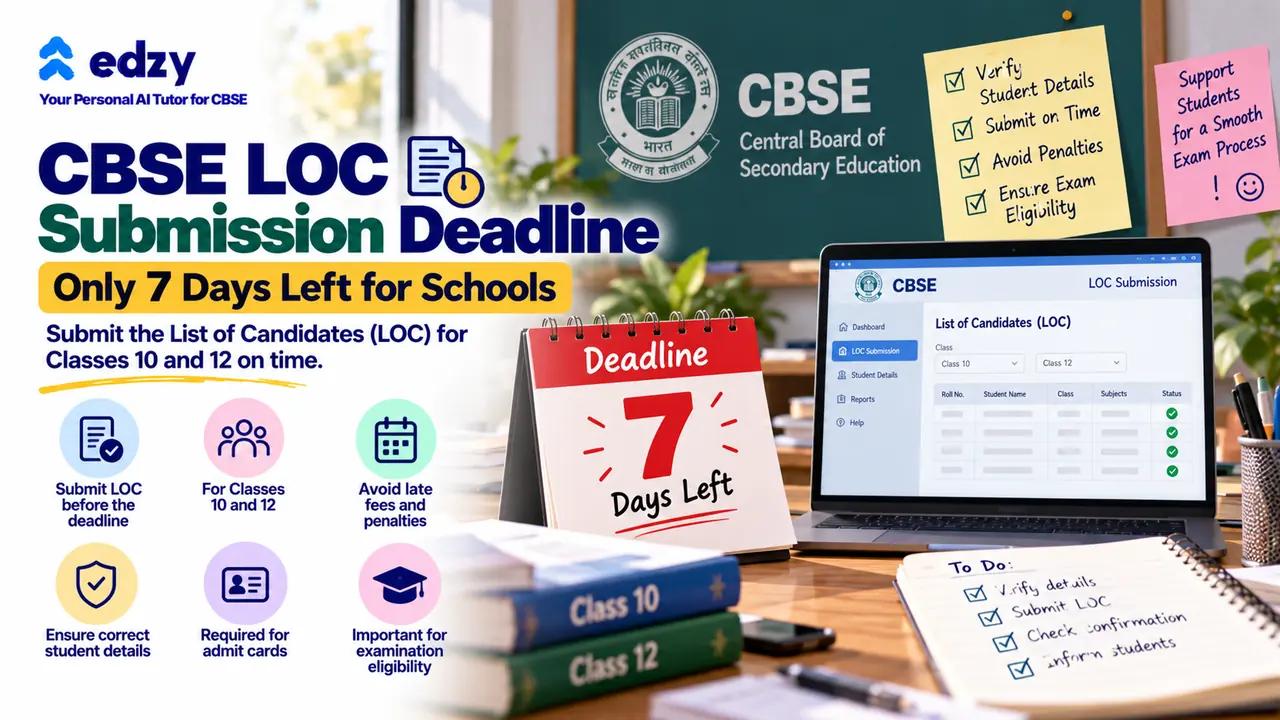
CBSE LOC Submission Deadline Approaches: Only 7 Days Left

CBSE Science Challenge 2026-27: A Platform for Scientific Inquiry

Fit India Freedom Run 2026: A Nationwide Campaign for Health and Fitness
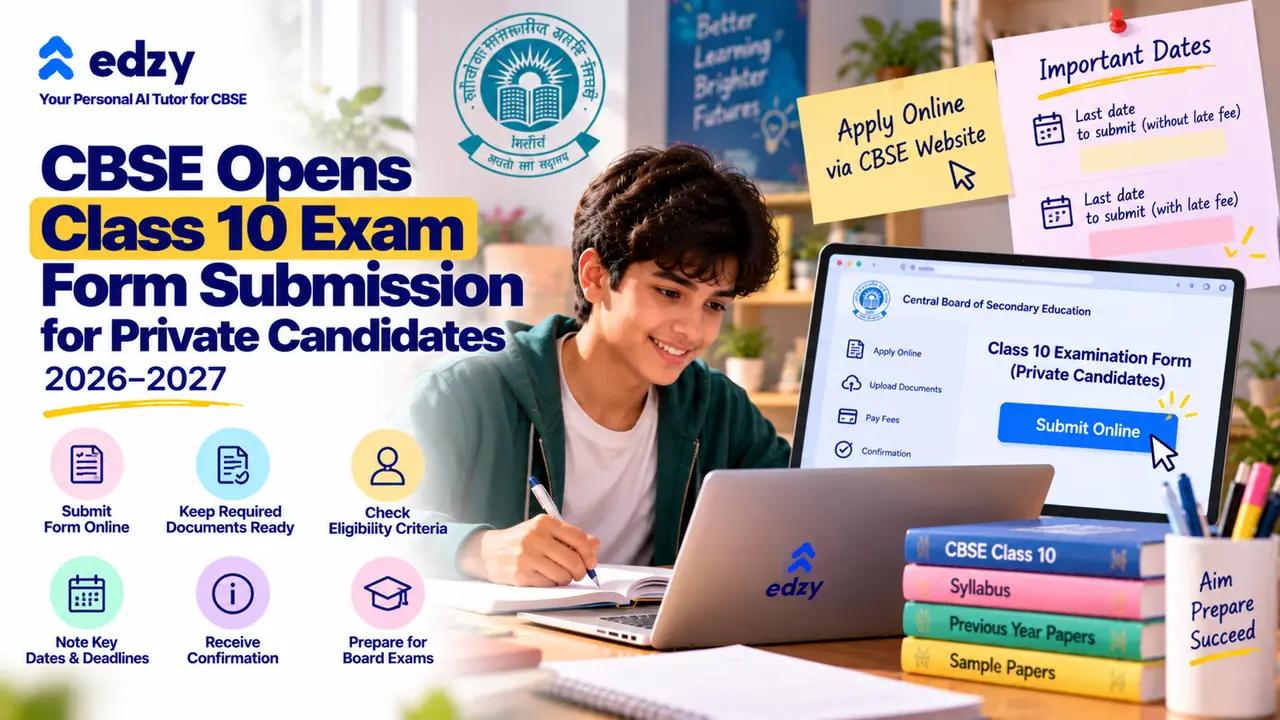
CBSE Class 10 Board Exam 2026-2027: Submission of Examination Forms for Private Candidates