
CBSE Science Challenge 2026-27 Round 2: Key Instructions and Guidelines
Students registered for Round 2 must adhere to specific guidelines for the upcoming Science Challenge.
The CBSE Science Challenge 2026-27 Round 2 is set for December 2, 2026. This article outlines essential instructions for students and schools participating in this competitive event. Learn about registration, test format, and requirements to ensure a smooth experience.
Listen to this article
CBSE Science Challenge 2026-27 Round 2: Key Instructions and Guidelines
Overview of the CBSE Science Challenge 2026-27 Round 2
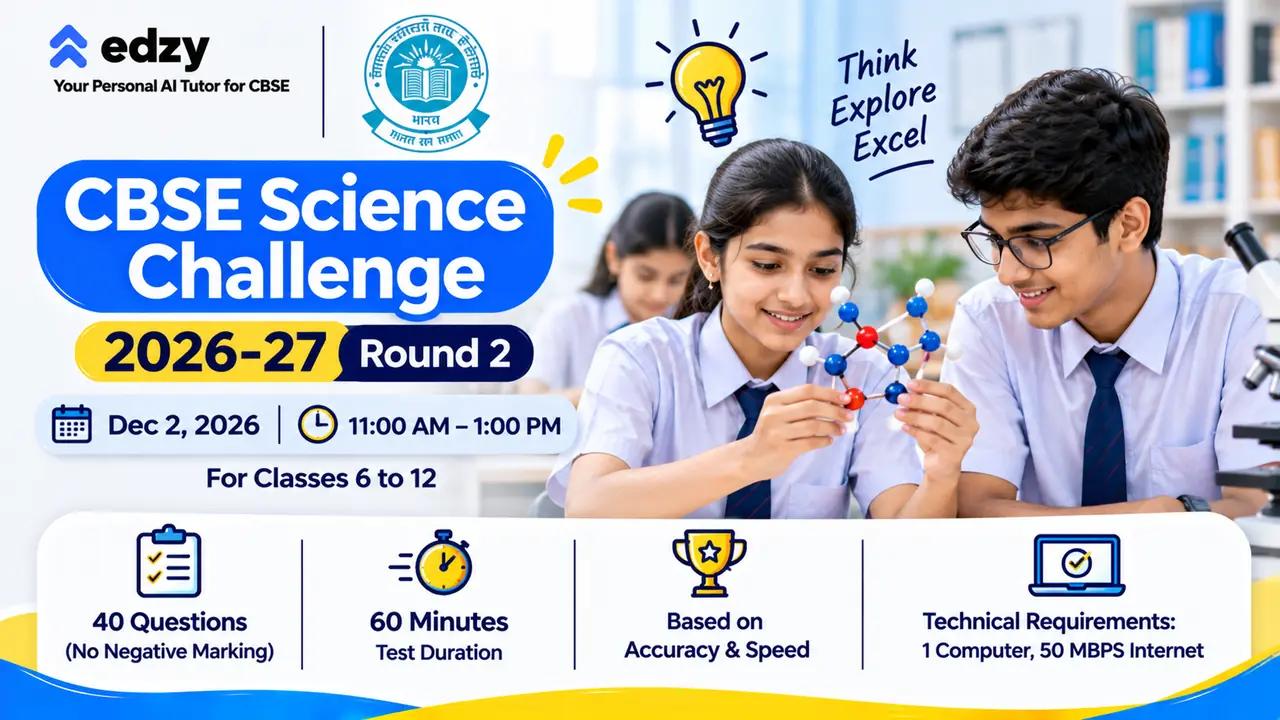
The CBSE Science Challenge 2026-27 Round 2 is scheduled to take place on December 2, 2026, from 11:00 AM to 01:00 PM. This round is exclusively for students who have been registered by their schools following the evaluation of Round 1. The challenge aims to foster scientific inquiry and critical thinking among students from classes 6 to 12, aligning with the CBSE's broader educational goals. Readers can compare this update with cbse science challenge 2026 27 a platform for related CBSE context.
Schools participating in this challenge must ensure that all registered students are prepared and understand the guidelines set forth by CBSE. The official test link will be made available on the CBSE Academic website at the designated time, and it is crucial for schools to log in using their List of Candidates (LoC) credentials as they did during the registration process. Readers can compare this update with cbse releases guidelines for ips spot evaluation for related CBSE context.
For more details on the registration process and requirements, schools can refer to the official CBSE Science Challenge announcement. Readers can compare this update with cbse launches online diploma course in teaching for related CBSE context.
Test Format and Requirements
Each registered student will participate in the Science Challenge individually, with a total test duration of 60 minutes. This time frame includes downloading the question paper, reading the instructions, answering the questions, and uploading the completed quiz. The test will consist of 40 questions, each carrying one mark, and importantly, there will be no negative marking for incorrect answers. Readers can compare this update with cbse science exhibition 2026 27 registration and for related CBSE context.
Students are encouraged to submit their answers promptly upon completion, as the portal will close immediately after the test duration ends. No grace period will be provided for uploading the answered paper, emphasizing the need for time management during the test. Readers can compare this update with cbse enrolment of experienced teachers as mentors for related CBSE context.
To ensure a smooth testing experience, schools must provide the following technical requirements: one computer for each registered student, high-speed internet connectivity (minimum 50 MBPS), and computers with medium to high configurations, ideally with at least 8 GB of RAM. These specifications are crucial for handling the online test effectively.
Merit Calculation and Evaluation Process
The merit for the Science Challenge will be determined based on two key factors: the accuracy of the answers provided and the time taken to submit the final answer sheet. This dual criterion aims to reward not only knowledge but also efficiency, encouraging students to think critically and manage their time wisely.
As students prepare for this challenge, it is essential to focus on both the content of the science curriculum and the strategies for effective time management during the test. Schools can assist students by conducting mock tests and providing resources that align with the CBSE syllabus for science subjects.
For additional resources and preparation tips, students can check out the latest updates on the CBSE guidelines for evaluations.
Importance of the Science Challenge for Students
The CBSE Science Challenge serves as an excellent platform for students to showcase their scientific knowledge and skills. Participating in such competitions not only enhances their understanding of scientific concepts but also prepares them for future academic challenges, including board examinations and competitive entrance tests.
Moreover, engaging in science challenges fosters a spirit of inquiry and innovation among students, which is vital in today’s rapidly evolving technological landscape. The skills developed through such competitions can significantly benefit students in their academic pursuits and future careers.
Students interested in further enhancing their skills can explore opportunities like the CBSE online diploma course in teaching science, which provides valuable insights and methodologies for effective science education.
What This Means for Participating Schools and Students
For schools and students involved in the CBSE Science Challenge 2026-27, adherence to the outlined instructions is crucial for a successful experience. Schools must ensure that all technical requirements are met and that students are well-prepared for the test format and evaluation criteria.
As the date approaches, it is advisable for schools to conduct preparatory sessions, helping students familiarize themselves with the online testing environment and the types of questions they may encounter. This proactive approach will not only boost students' confidence but also enhance their performance during the challenge.
For further insights into the importance of science education, schools can refer to the article on CBSE Science Exhibition guidelines, which emphasizes the role of practical experiences in learning.
Ultimately, the CBSE Science Challenge 2026-27 is more than just a competition; it is an opportunity for students to engage deeply with scientific concepts and develop critical skills that will serve them well in their academic and professional futures.
Related News

CBSE Celebrates Constitution Day on 26th November 2026: Activities and Significance
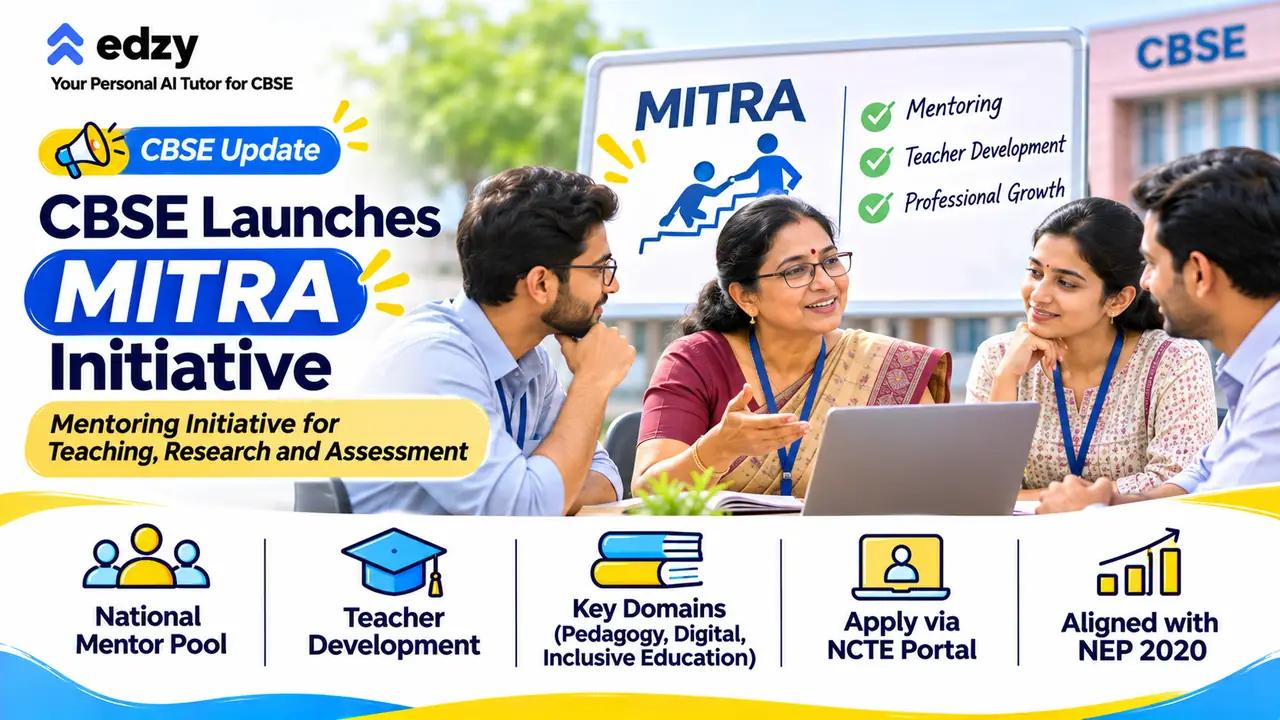
CBSE Enrolment of Experienced Teachers as Mentors Under MITRA Initiative
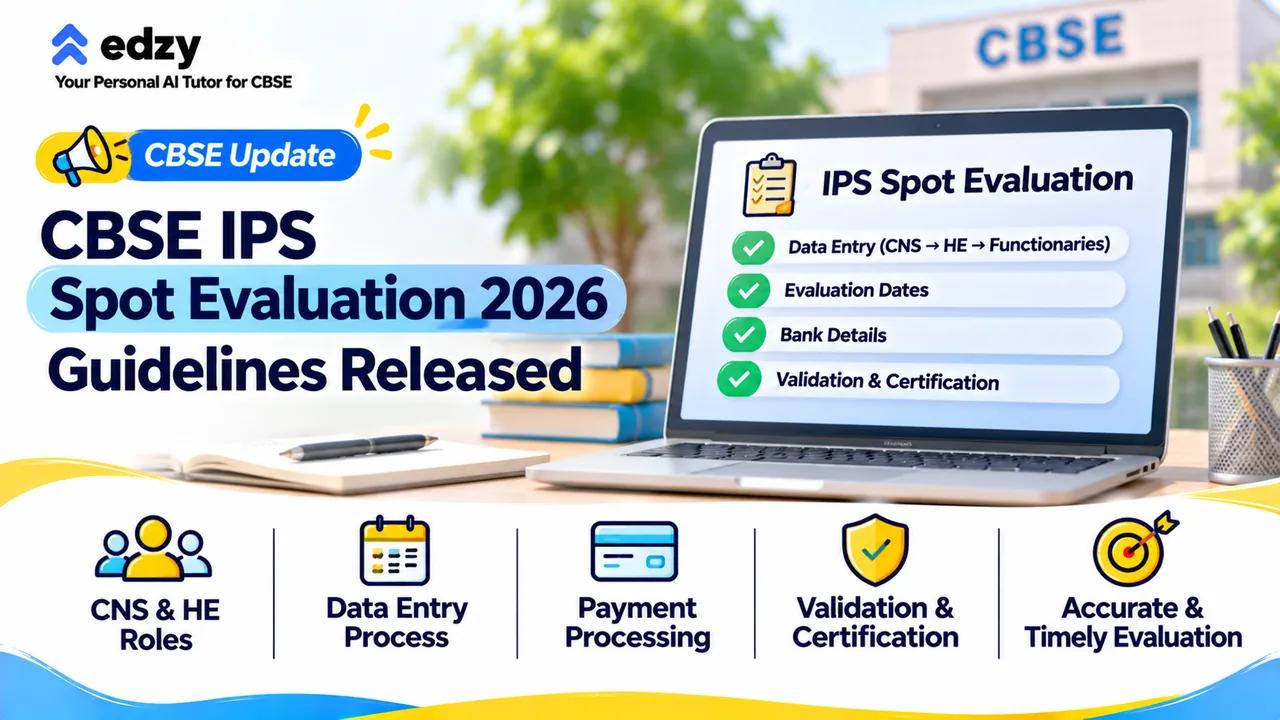
CBSE Releases Guidelines for IPS Spot Evaluation 2026: Key Steps and Data Management
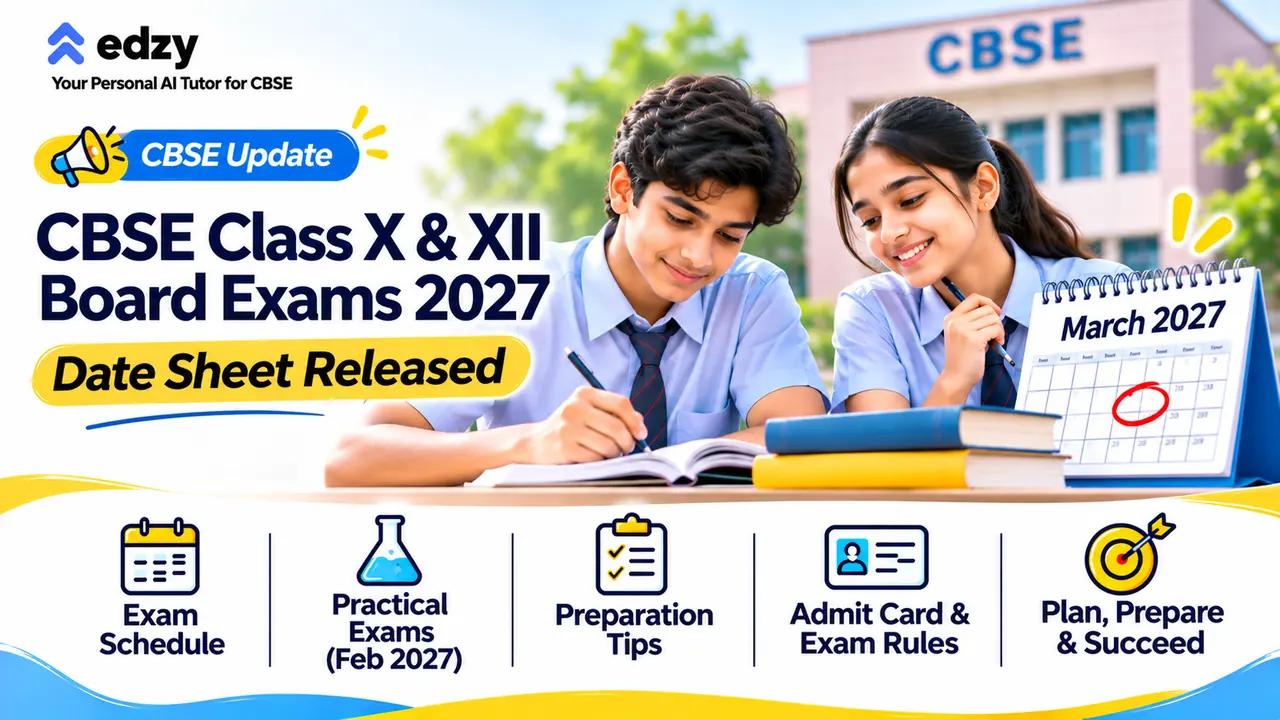
CBSE Class X and Class XII Board Examinations Date Sheet 2027 Released