
Establishing National Service Scheme (NSS) in Schools Under SFU Scheme
New initiative to enhance youth engagement and community service in schools.
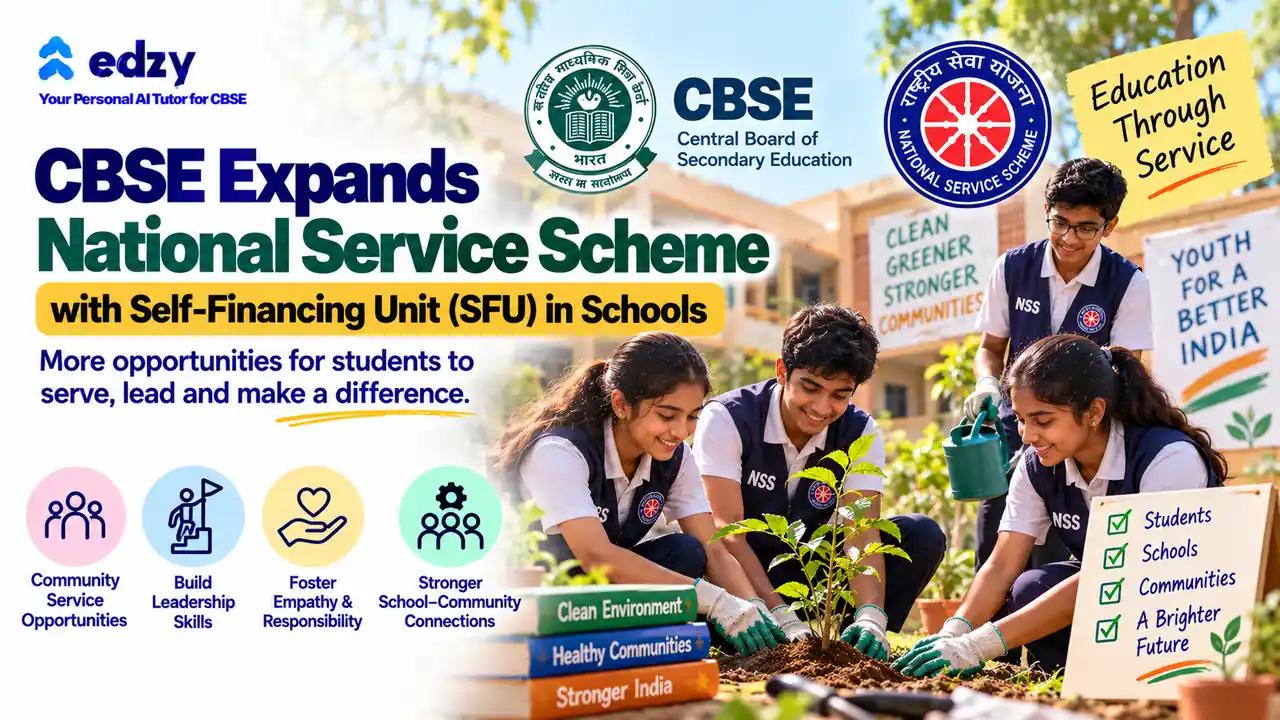
The Central Board of Secondary Education (CBSE) has announced the establishment of the National Service Scheme (NSS) in schools under the Self-Financing Unit (SFU) scheme. This initiative aims to empower students through community service and leadership development. Schools can now create NSS units to foster social responsibility among students and engage them in various community projects.
Listen to this article
Establishing National Service Scheme (NSS) in Schools Under SFU Scheme
Understanding the National Service Scheme (NSS)
The National Service Scheme (NSS) is a flagship program initiated by the Government of India in 1969, focusing on 'Education through Service'. This initiative has significantly contributed to bridging the gap between educational institutions and the community, benefiting over 8.4 crore students across the nation. The NSS aims to instill a sense of leadership, empathy, and social responsibility among the youth, preparing them to be proactive members of society. Readers can compare this update with cbse loc submission deadline approaches only 5 for related CBSE context.
As part of this initiative, the Central Board of Secondary Education (CBSE) has decided to expand the NSS framework by introducing the Self-Financing Unit (SFU) scheme in schools. This move is designed to empower schools to establish NSS units, typically comprising 50 to 100 volunteers, thus enabling students to participate in community-building activities even in the face of budgetary constraints. Readers can compare this update with cbse loc submission deadline approaches only 7 for related CBSE context.
For more insights on how these changes will affect students, schools are encouraged to stay updated through the official CBSE website. Readers can compare this update with cbse science challenge 2026 27 a platform for related CBSE context.
Implementation of NSS Under the Self-Financing Unit (SFU) Scheme
The introduction of the SFU scheme allows schools to set up NSS units that provide students with early exposure to community service projects and national integration initiatives. This is particularly significant as it offers students a platform to engage in meaningful activities that promote social cohesion and responsibility. Readers can compare this update with fit india freedom run 2026 a nationwide for related CBSE context.
Schools are now tasked with the responsibility of establishing these NSS units and are provided with operational guidelines to facilitate this process. The proposal for setting up an SFU must be submitted using the designated proforma, which is part of the official circular released by CBSE. This initiative not only enhances the educational experience but also prepares students for real-world challenges by fostering a spirit of volunteerism. Readers can compare this update with cbse class 10 board exam 2026 2027 for related CBSE context.
For further details on the operational guidelines, schools can refer to the official CBSE circular available on their website.
Benefits of NSS for Students and Schools
Establishing NSS units in schools under the SFU scheme presents numerous benefits for both students and educational institutions. Firstly, it enhances students' leadership skills and promotes a sense of community engagement. By participating in NSS activities, students learn the importance of teamwork, responsibility, and the impact of their contributions on society.
Moreover, schools that implement NSS programs can expect to see an improvement in student morale and a stronger connection between the school and the local community. This initiative encourages students to take part in various social service activities, which can lead to a more enriched educational experience. Schools can also leverage these programs to enhance their reputation and attract more students who value community service.
For additional information on how schools can benefit from NSS, educators are encouraged to check out the latest updates on community service initiatives.
Challenges and Considerations for Implementation
While the establishment of NSS units under the SFU scheme offers many advantages, schools may face challenges during implementation. One of the primary concerns is the allocation of resources and funding for these initiatives. Schools must ensure they have the necessary support and infrastructure to effectively run NSS programs.
Additionally, training and preparing staff to guide students in these community projects is crucial. Schools need to invest in capacity-building programs for teachers to equip them with the skills required to mentor students effectively. This will not only enhance the quality of the NSS activities but also ensure that students receive proper guidance throughout their community service journey.
For schools seeking guidance on training programs, CBSE provides resources and recommendations that can assist in overcoming these challenges.
What This Initiative Means for Students and Schools
The establishment of the National Service Scheme (NSS) in schools under the Self-Financing Unit (SFU) scheme represents a significant step towards enhancing youth engagement in community service. By participating in NSS, students will have the opportunity to develop essential life skills and contribute positively to society. This initiative aligns with the broader educational goals of CBSE, which emphasize holistic development and social responsibility.
As schools begin to implement NSS units, it is crucial for them to communicate the benefits of this program to students and parents alike. Engaging the community and fostering a culture of service will not only enrich the students' educational experience but also strengthen the bond between schools and their local communities.
For more details on the NSS and its implementation, schools should refer to the official CBSE guidelines and stay informed about upcoming training sessions and workshops.
Schools are encouraged to actively participate in this initiative and leverage the resources provided by CBSE to ensure successful implementation of NSS programs. This is a unique opportunity for students to make a difference while enhancing their educational journey.
Related News

CBSE LOC Submission Deadline Approaches: Last Date Reminder

CBSE LOC Submission Deadline Approaches: Only 5 Days Left

CBSE LOC Submission Deadline Approaches: Only 7 Days Left

CBSE Science Challenge 2026-27: A Platform for Scientific Inquiry