Brand Logo
Home
All Blogs

Best Way to Revise CBSE Class ...

Subject Learning
Gaurav Parashar|Mar 11, 2026|6 min read

Best Way to Revise CBSE Class 10 Maths Formulas During Exam Gaps

Efficient strategies for mastering CBSE Class 10 Maths formulas

This blog provides effective techniques for revising CBSE Class 10 Maths formulas, ensuring clarity and speed during exam preparation.
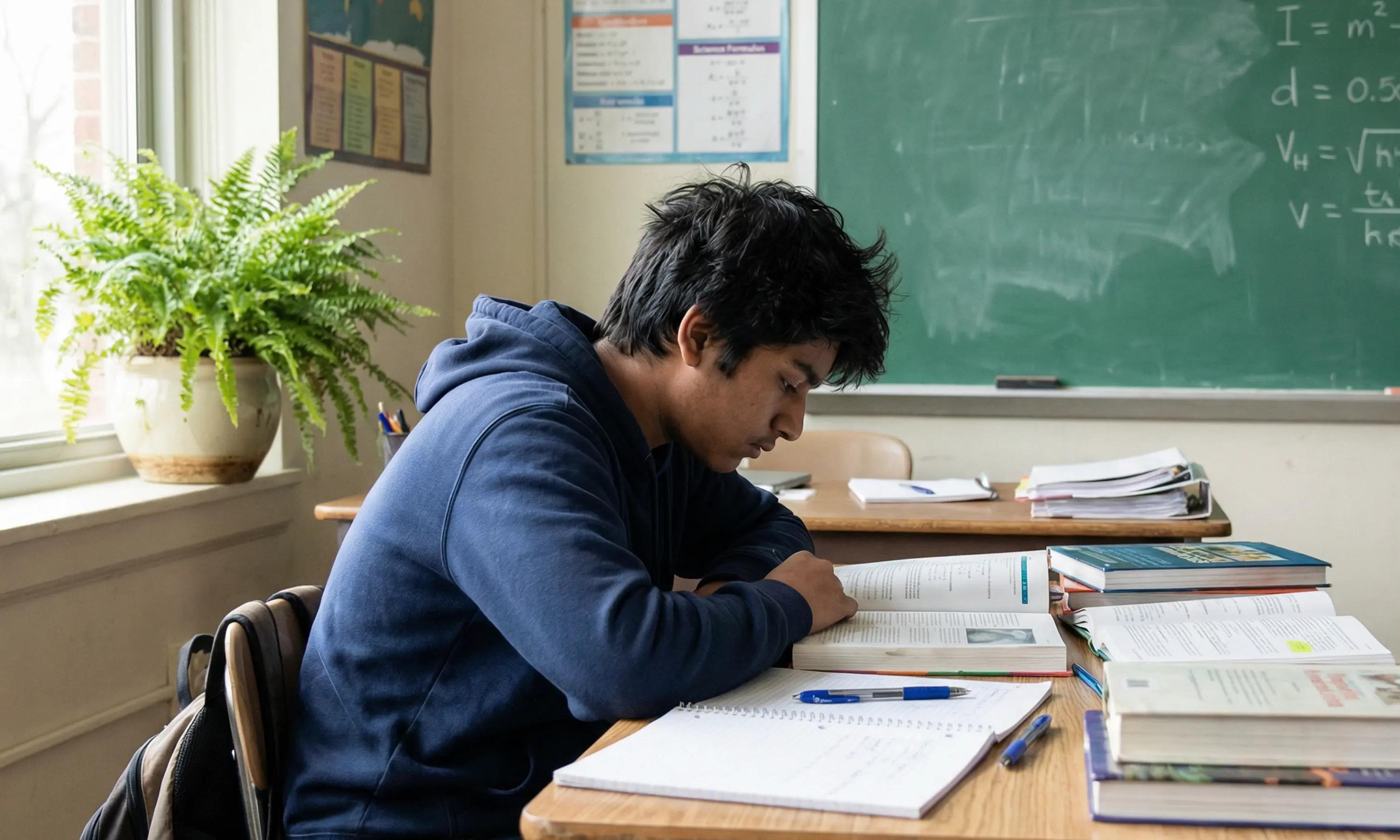
Best Way to Revise CBSE Class 10 Maths Formulas During Exam Gaps
GP

Gaurav Parashar

@gauravparashar2

Mathematics can often feel like a daunting subject for many students, especially when it comes to revising formulas during exam gaps. The pressure to remember numerous formulas, the fear of confusion, and the anxiety of not having enough time can make the revision process overwhelming. However, with the right strategies, students can efficiently revise and retain these formulas without feeling stressed. This blog aims to provide students and parents with effective methods to tackle formula revision for CBSE Class 10 Maths.

Why formula revision feels overwhelming

For many students, the sheer volume of formulas in Class 10 Maths can be intimidating. From algebraic identities to geometry theorems, the list seems endless. The challenge lies not only in memorizing these formulas but also in understanding their applications. Often, students find themselves cramming formulas at the last minute, leading to confusion and forgetfulness during exams.

Moreover, the pressure of performing well can exacerbate this feeling of overwhelm. Students may feel that they need to memorize every formula perfectly, which can lead to anxiety and burnout. This is where effective revision strategies come into play, allowing students to approach their studies with clarity and confidence.

Creating compact formula sheets

One of the most effective ways to revise formulas is by creating compact formula sheets. These sheets serve as a quick reference guide that condenses all essential formulas into one place. Here’s how to create them:

  1. Gather all formulas: Start by collecting all the formulas you need to revise. This includes formulas from algebra, geometry, statistics, and more.

  2. Organize by topic: Group the formulas by topic or chapter. This helps in creating a structured sheet that is easy to navigate.

  3. Use bullet points: Write each formula in a bullet point format. This makes it visually appealing and easier to read.

  4. Include examples: Where possible, add a brief example next to each formula. This reinforces understanding and helps in recalling the formula’s application.

For instance, if you are revising the area of a triangle, you might write: Area = 1/2 × base × height followed by a quick example: Area of triangle with base 5 cm and height 10 cm = 1/2 × 5 × 10 = 25 cm².

Grouping formulas by concept

Another effective strategy is to group formulas by concept. This not only aids in memorization but also helps in understanding how different formulas relate to one another. For example:

  • Algebra: Group all algebraic identities together, such as (a + b)² = a² + 2ab + b² and (a - b)² = a² - 2ab + b².

  • Geometry: Group formulas related to different shapes, like the area and perimeter of squares, rectangles, and circles.

  • Statistics: Keep mean, median, mode, and range formulas together for easy recall.

By organizing formulas in this manner, students can create mental connections that facilitate easier recall during exams.

Using solved examples for recall

Merely memorizing formulas is not enough; understanding their application is crucial. One effective way to reinforce this understanding is by using solved examples. Here’s how to implement this strategy:

  1. Choose key formulas: Select the most important formulas that you frequently encounter in problems.

  2. Find solved examples: Look for solved examples in your textbooks or online resources that utilize these formulas.

  3. Practice regularly: Regularly practice these examples to reinforce your understanding. Try to solve them without looking at the solution first.

  4. Create your own problems: Once you feel confident, create your own problems based on the examples and solve them.

For instance, if you are revising the formula for the volume of a cylinder, practice a problem like: Find the volume of a cylinder with radius 3 cm and height 5 cm. Use the formula Volume = πr²h and solve it step by step.

Avoiding last-minute memorisation

Last-minute memorization is often counterproductive. It can lead to panic and confusion, especially if students are unable to recall the formulas during the exam. Instead, students should aim to revise formulas consistently over time. Here are some tips to avoid cramming:

  • Set a revision schedule: Dedicate specific times each day for formula revision. Consistency is key.

  • Use spaced repetition: Review formulas at increasing intervals. For example, revise a formula today, then again in two days, and then a week later.

  • Engage with peers: Form study groups where you can quiz each other on formulas. Teaching others can reinforce your own understanding.

By spreading out revision sessions, students can improve retention and reduce anxiety as exams approach.

Common formula-related mistakes

Understanding common mistakes students make with formulas can help avoid them. Here are some frequent errors:

  • Misremembering signs: Students often confuse plus and minus signs in formulas. Double-checking formulas can prevent this.

  • Forgetting units: Always include units in your calculations. For example, when calculating area, ensure you state it in square units.

  • Incorrect application: Ensure that you understand when to apply a formula. For instance, using the area formula for a triangle only when the base and height are known.

By being aware of these common pitfalls, students can take proactive steps to avoid them during their revision.

Daily 30-minute revision method

A structured approach to daily revision can significantly enhance formula retention. The daily 30-minute revision method is a practical strategy that students can adopt:

  1. Set a timer: Allocate 30 minutes each day specifically for formula revision.

  2. Divide the time: Spend the first 15 minutes reviewing formulas and the next 15 minutes solving problems related to those formulas.

  3. Focus on one topic: Each day, focus on a specific topic or chapter. This prevents overwhelm and allows for deeper understanding.

  4. Reflect: At the end of each session, take a few minutes to reflect on what you learned and identify areas that need more practice.

This method not only helps in revising formulas but also builds problem-solving skills, which are essential for success in exams.

Exam-ready formula checklist

As exams approach, having a checklist can be incredibly beneficial. Create an exam-ready formula checklist that includes:

  • All essential formulas: List down every formula you need to know for the exam.

  • Understanding: Next to each formula, write a brief note on its application or a common mistake associated with it.

  • Practice problems: Include a few practice problems for each formula that you can quickly refer to.

This checklist can serve as a quick revision tool in the days leading up to the exam, ensuring that you are well-prepared and confident.

In conclusion, revising CBSE Class 10 Maths formulas during exam gaps can be a manageable task with the right strategies. By creating compact formula sheets, grouping formulas by concept, using solved examples, avoiding last-minute memorization, being aware of common mistakes, adopting a daily revision method, and preparing an exam-ready checklist, students can approach their exams with clarity and confidence. Remember, consistency and understanding are key to mastering mathematics.

Suggested blogs

How to Revise CBSE Class 10 English Writing Sections in One Week
Subject Learning
Gaurav Parashar|Feb 25, 2026

How to Revise CBSE Class 10 English Writing Sections in One Week

Master the writing sections of CBSE Class 10 English in just one week.

How to Write High-Scoring Answers in CBSE Class 10 Social Science
Subject Learning
Gaurav Parashar|Feb 11, 2026

How to Write High-Scoring Answers in CBSE Class 10 Social Science

Master the art of crafting high-scoring answers in Social Science.

How to Master CBSE Class 10 Maths Word Problems Step by Step
Subject Learning
Gaurav Parashar|Jan 28, 2026

How to Master CBSE Class 10 Maths Word Problems Step by Step

Unlock the secrets to solving Maths word problems with confidence.

How to Improve English Writing Skills for CBSE Exams
Subject Learning
Dec 15, 2025

How to Improve English Writing Skills for CBSE Exams

Mastering English writing for better CBSE exam scores

Class 9

Class 9 - English
Moments (9 Chapters)|
Beehive (18 Chapters)|
Words and Expressions - I (9 Chapters)
Class 9 - Health and Physical Education
Health and Physical Education (14 Chapters)
Class 9 - Hindi
Sanchayan (4 Chapters)|
Sparsh (10 Chapters)|
Kshitij (13 Chapters)|
Kritika (4 Chapters)
Class 9 - ICT
Information and Communication Technology (8 Chapters)
Class 9 - Mathematics
Mathematics (12 Chapters)
Class 9 - Sanskrit
Shemushi Prathmo Bhag (10 Chapters)|
Vyakaranavithi (20 Chapters)|
Abhyaswaan Bhav (15 Chapters)
Class 9 - Science
Science (12 Chapters)
Class 9 - Social Science
Contemporary India (6 Chapters)|
Democratic Politics (5 Chapters)|
Economics (4 Chapters)|
India and the Contemporary World - I (5 Chapters)

Class 10

Class 10 - English
First Flight (22 Chapters)|
Foot Prints Without feet (9 Chapters)|
Words and Expressions - II (9 Chapters)
Class 10 - Health and Physical Education
Health and Physical Education (13 Chapters)
Class 10 - Hindi
Kshitij - II (13 Chapters)|
Sparsh (14 Chapters)|
Sanchayan - II (3 Chapters)|
Kritika (3 Chapters)
Class 10 - Mathematics
Mathematics (14 Chapters)
Class 10 - Sanskrit
Vyakaranavithi (14 Chapters)|
Shemushi - II (12 Chapters)|
Abhyaswaan Bhav - II (14 Chapters)
Class 10 - Science
Science (13 Chapters)
Class 10 - Social Science
Contemporary India (7 Chapters)|
Democratic Politics (5 Chapters)|
India and the Contemporary World - II (5 Chapters)|
Understanding Economic Development (5 Chapters)
Class 10 - Urdu
Nawa-e-urdu (25 Chapters)

Class 11

Class 11 - Accountancy
Accountancy - II (2 Chapters)|
Financial Accounting - I (7 Chapters)
Class 11 - Biology
Biology (19 Chapters)
Class 11 - Biotechnology
Biotechnology (12 Chapters)
Class 11 - Business Studies
Business Studies (11 Chapters)
Class 11 - Chemistry
Chemistry Part - I (6 Chapters)|
Chemistry Part - II (3 Chapters)
Class 11 - Computer Science
Computer Science (11 Chapters)
Class 11 - Creative Writing and Translation
Srijan (4 Chapters)
Class 11 - Economics
Statistics for Economics (8 Chapters)|
Indian Economic Development (8 Chapters)
Class 11 - English
Hornbill (11 Chapters)|
Snapshots (5 Chapters)|
Woven Words (27 Chapters)
Class 11 - Fine Art
An Introduction to Indian Art Part - I (8 Chapters)
Class 11 - Geography
Fundamentals of Physical Geography (14 Chapters)|
India Physical Environment (6 Chapters)|
Practical Work in Geography (6 Chapters)
Class 11 - Health and Physical Education
Health and Physical Education (11 Chapters)
Class 11 - History
Themes in World History (13 Chapters)
Class 11 - Home Science
Human Ecology and Family Sciences - I (7 Chapters)|
Human Ecology and Family Sciences - II (4 Chapters)
Class 11 - Informatics Practices
Informatics Practices (8 Chapters)
Class 11 - Knowledge Traditions Practices of India
Knowledge Traditions Practices of India (9 Chapters)
Class 11 - Mathematics
Mathematics (14 Chapters)
Class 11 - Physics
Physics Part - I (7 Chapters)|
Physics Part - II (7 Chapters)
Class 11 - Political Science
Indian Constitution at Work (10 Chapters)|
Political Theory (8 Chapters)
Class 11 - Psychology
Introduction to Psychology (8 Chapters)
Class 11 - Sangeet
Tabla evam Pakhawaj (8 Chapters)|
Hindustani Sangeet Gayan Evam Vadan (10 Chapters)
Class 11 - Sociology
Understanding Society (5 Chapters)|
Introducing Sociology (5 Chapters)

Class 12

Class 12 - Accountancy
Accountancy Part - I (4 Chapters)|
Accountancy Part - II (6 Chapters)
Class 12 - Biology
Biology (13 Chapters)
Class 12 - Biotechnology
Biotechnology (13 Chapters)
Class 12 - Business Studies
Business Studies - II (3 Chapters)|
Business Studies - I (8 Chapters)
Class 12 - Chemistry
Chemistry - II (5 Chapters)|
Chemistry - I (5 Chapters)
Class 12 - Computer Science
Computer Science (13 Chapters)
Class 12 - Economics
Introductory Microeconomics (5 Chapters)|
Introductory Macroeconomics (6 Chapters)
Class 12 - English
Flamingo (14 Chapters)|
Vistas (7 Chapters)|
Kaliedoscope (21 Chapters)
Class 12 - Fine Art
An Introduction to Indian Art Part - II (8 Chapters)
Class 12 - Geography
Practical Work in Geography - Part II (4 Chapters)|
Fundamentals of Human Geography (8 Chapters)|
India - People and Economy (9 Chapters)
Class 12 - Hindi
Aroh (15 Chapters)|
Antra (23 Chapters)|
Antral Bhag - II (3 Chapters)|
Vitan (3 Chapters)
Class 12 - History
Themes in Indian History - III (4 Chapters)|
Themes in Indian History - I (4 Chapters)|
Themes in Indian History - II (4 Chapters)
Class 12 - Home Science
Human Ecology and Family Sciences Part I (7 Chapters)|
Human Ecology and Family Sciences Part II (7 Chapters)
Class 12 - Informatics Practices
Informatics Practices (7 Chapters)
Class 12 - Mathematics
Mathematics Part - I (6 Chapters)|
Mathematics Part - II (7 Chapters)
Class 12 - Physics
Physics Part - I (8 Chapters)|
Physics Part - II (6 Chapters)
Class 12 - Political Science
Politics in India Since Independence (8 Chapters)|
Contemporary World Politics (7 Chapters)
Class 12 - Psychology
Psychology (7 Chapters)
Class 12 - Sangeet
Hindustani Sangeet Gayan Evam Vadan (9 Chapters)|
Tabla evam Pakhawaj (7 Chapters)
Class 12 - Sociology
Social Change and Development in India (8 Chapters)|
Indian Society (7 Chapters)

About Edzy - Gamified Learning Platform

Edzy is India's premier gamified AI tutor platform for CBSE and State Board students in classes 6-12. Our platform transforms traditional studying with AI-powered study plans, interactive practice sessions, and personalized learning pathways. Students using Edzy experience unmatched learning efficiency through our immersive educational environment that combines advanced technology with curriculum-aligned content.

Why Choose Edzy for CBSE and State Board Preparation

Edzy offers an adaptive AI educational experience tailored to each student's learning style and pace. We integrate gamification with proven educational strategies to create an engaging environment that students love. Our micro-content approach breaks down complex CBSE and State Board topics into manageable lessons, building confidence through mastery-based progression and real-time feedback.

CBSE and State Board Focus Areas

Edzy specializes in transforming online education for classes 6-12 with AI-powered tutoring. We provide comprehensive NCERT-aligned content and engaging lessons across Mathematics, Science, English, Social Studies, and IT. Our system helps students master fundamental concepts and excel in board exams through AI-generated study plans, personalized learning timelines, and dynamic practice sessions.

Edzy's Unique Approach to Online Learning

Unlike traditional online coaching platforms, Edzy converts CBSE and State Board syllabus content into interactive learning adventures. Our AI tutor provides timely assistance while adapting to student progress. The platform features instant feedback, gamified practice sessions, and achievement badges to motivate continuous learning and concept mastery.

Brand Logo

Edzy | Largest Online Learning Platform for Classes 6–12

Study smarter with Edzy – India’s leading gamified AI tutor for CBSE and State Boards. Designed for Classes 6–12, Edzy offers interactive lessons, AI-powered study plans, and rewarding practice tools for every subject.

Find us on Social Media

Links

About EdzyFAQsContact UsCBSE CoursesDuelsRumblesEdzy App

Parents & Teachers

Search EdzyParent DashboardCreator PlatformEducation BlogCBSE & NCERT News

Policies

Terms and ConditionsRefund PolicyPrivacy PolicyCookie Policy

© 2026 Edzy | Largest Online Learning Platform for Classes 6–12. All rights reserved.

Edzy is an AI tutor for CBSE and State Board students, offering interactive lessons and personalized learning for Classes 6–12.

SitemapNews SitemapBlog SitemapSchool SitemapAccessibility