
Common Mistakes Parents Make During CBSE Class 10 Board Exams
Understanding how to truly support your child during board exams
This blog explores common mistakes parents make during CBSE Class 10 board exams and offers practical advice on how to provide the best support for their children.


Gaurav Parashar
@gauravparashar
Listen to this article
Common Mistakes Parents Make During CBSE Class 10 Board Exams
Common Mistakes Parents Make During CBSE Class 10 Board Exams
As the CBSE Class 10 board exams approach, the pressure on students can be immense. It is a critical time that can shape their academic future and career choices. However, while students are often the focus of this pressure, parents play a crucial role in shaping their children’s experiences during this period. Even well-meaning parents can inadvertently increase stress levels, leading to negative outcomes. This blog will delve into common pitfalls that parents encounter and provide actionable strategies to support their children effectively.
Why Parental Behaviour Matters Most During Exams
Parental behaviour during exam season can significantly influence a child's performance and mental well-being. Children often look to their parents for guidance, reassurance, and emotional support. When parents exhibit anxiety or stress, it can create a ripple effect, leading to increased pressure on the child. Research indicates that a supportive home environment can lead to better academic outcomes and lower stress levels for students.
Moreover, parents who understand the academic landscape, such as the CBSE curriculum, can provide better support. This understanding helps in setting realistic expectations and fostering a positive learning atmosphere. For instance, parents who are aware of the exam format and syllabus can assist their children in preparing more effectively, rather than adding to their stress.
Over-monitoring and Constant Questioning
One of the most common mistakes parents make during board exams is over-monitoring their children. While it is natural to want to know how the preparation is going, constant questioning can lead to heightened anxiety. Instead of fostering a supportive environment, it can create a sense of pressure that may hinder performance.
For example, a parent might ask their child, "Have you finished studying for Mathematics yet?" or "What are your scores likely to be?" Such questions can make students feel like they are under a microscope. Instead, parents should aim to create a dialogue that encourages their children to express their feelings and concerns. Asking open-ended questions like, "How are you feeling about your studies?" can lead to more meaningful conversations.
Additionally, parents should trust their children’s ability to manage their study schedules. Micromanaging can lead to resentment and a lack of motivation. Instead, parents can offer to help create a study plan that allows for breaks and leisure time, promoting a balanced approach to studying.
Unhelpful Comparisons and Predictions
Another pitfall is making comparisons with other students or siblings. Statements like, "Your cousin scored 95% in his exams; why can't you?" can be detrimental to a child’s self-esteem and motivation. Each student has their unique strengths and weaknesses, and comparisons can lead to feelings of inadequacy.
Instead of comparisons, parents should focus on individual progress. Celebrating small achievements, such as mastering a difficult topic or improving in practice tests, can boost a child's confidence. For instance, if a student improves their score in a subject, acknowledging that effort can encourage them to continue working hard.
Moreover, predictions about future performance can also add unnecessary pressure. Parents should avoid saying things like, "If you don't study harder, you will fail." Such statements can create a fear of failure that may paralyze students rather than motivate them. Instead, parents should encourage a growth mindset, emphasizing that effort and persistence are key to success.
Misreading Mood Swings
During exam preparation, it is common for students to experience mood swings. These fluctuations can be due to stress, fatigue, or even the pressure of upcoming exams. Parents often misinterpret these mood swings as signs of laziness or lack of interest in studies. This misunderstanding can lead to conflict and further stress for both the parent and the child.
It is essential for parents to recognize that mood swings are a normal part of the exam preparation process. Instead of reacting negatively, parents should strive to be empathetic and understanding. For example, if a child is irritable after a long study session, a parent might say, "I can see that you are feeling overwhelmed. Would you like to take a break or talk about it?" This approach fosters open communication and helps the child feel supported.
Additionally, parents should encourage their children to engage in stress-relief activities, such as sports, yoga, or hobbies, which can help improve their mood and overall well-being.
Creating a Calm Home Environment
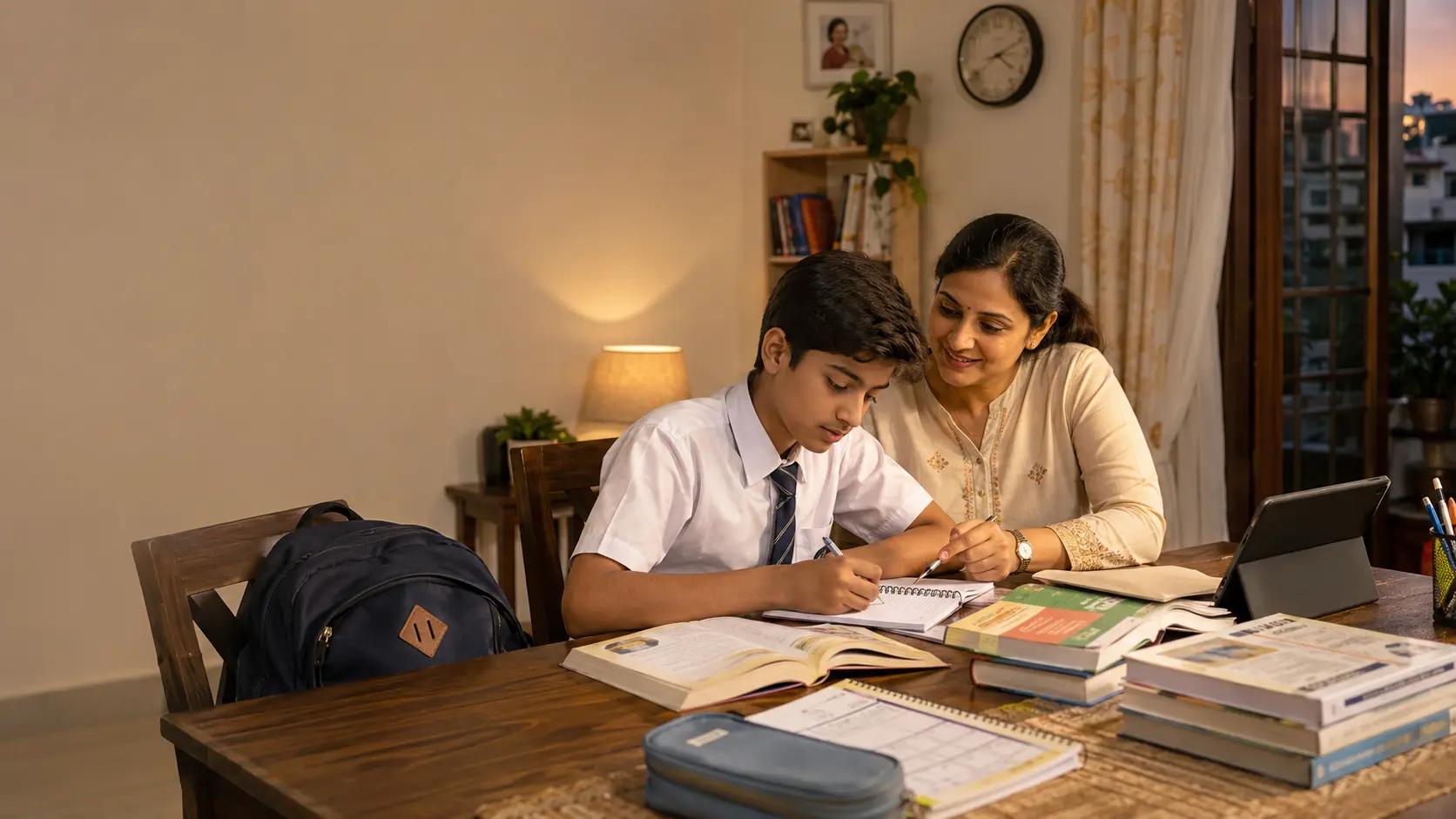
The home environment plays a significant role in a child's ability to study effectively. A calm and organized space can enhance concentration and reduce anxiety. Parents should strive to create an atmosphere that is conducive to learning. This includes minimizing distractions, such as loud noises or clutter, and ensuring that the study area is well-lit and comfortable.
Moreover, establishing a routine can help children feel more secure during this stressful time. Parents can work with their children to create a daily schedule that includes study time, breaks, and leisure activities. For example, a structured routine might involve studying for two hours, followed by a 30-minute break, and then a review session. This structure can help children manage their time effectively and reduce feelings of overwhelm.
Additionally, parents should model calm behaviour themselves. If parents are anxious or stressed, it can create a tense atmosphere that affects the child’s ability to focus. Practicing mindfulness or relaxation techniques as a family can help everyone maintain a sense of calm.
Encouraging Effort Over Outcomes
One of the most effective ways parents can support their children during board exams is by focusing on effort rather than outcomes. While grades are important, emphasizing the value of hard work and perseverance can foster a healthier attitude towards studying and exams.
For instance, instead of saying, "You must get an A in Science," parents can encourage their children by saying, "I’m proud of the effort you put into studying for Science. Keep it up!" This shift in focus helps children understand that their efforts are valued, regardless of the final result.
Additionally, parents can help their children set realistic goals that are achievable and measurable. For example, rather than aiming for a specific grade, a child might set a goal to complete a certain number of practice papers each week. This approach not only reduces pressure but also helps children develop a sense of ownership over their learning.
Handling Your Own Anxiety as a Parent
Parents often experience anxiety during their child’s exam period, which can inadvertently affect their children. It is essential for parents to manage their own stress levels to provide the best support possible. Recognizing the signs of anxiety and taking proactive steps to address it can create a more positive environment for both parents and children.
Parents can engage in self-care practices, such as exercise, meditation, or hobbies, to alleviate stress. Seeking support from friends or family can also be beneficial. Sharing concerns and discussing strategies with others can provide reassurance and new perspectives.
Moreover, parents should remind themselves that their child’s worth is not solely defined by their academic performance. Fostering a balanced perspective can help reduce anxiety and create a more supportive atmosphere at home.
Being Emotionally Available Without Pressure
Finally, it is crucial for parents to be emotionally available for their children without adding pressure. This means being present to listen and support without imposing expectations. Children should feel comfortable sharing their thoughts and feelings about their studies, and parents should create a safe space for these conversations.
For example, parents can initiate casual conversations about school without focusing solely on grades or performance. Asking about a child’s favorite subject or what they enjoy most about learning can help foster a positive dialogue. This approach encourages children to express themselves freely and reduces the fear of judgment.
Additionally, parents should validate their children’s feelings, whether they are excited, anxious, or frustrated. Acknowledging these emotions can help children feel understood and supported. For instance, saying, "It’s okay to feel nervous about the exams; many students feel the same way," can provide comfort and reassurance.
Conclusion
In conclusion, while the CBSE Class 10 board exams are undoubtedly a challenging time for students, parents can play a pivotal role in shaping their children’s experiences. By avoiding common pitfalls such as over-monitoring, making comparisons, and misreading mood swings, parents can create a supportive environment that fosters growth and resilience. Encouraging effort over outcomes, managing their own anxiety, and being emotionally available without pressure can significantly enhance a child’s ability to navigate this critical phase successfully. Ultimately, the goal is to help children develop a positive relationship with learning and exams, setting them up for future success.
Suggested blogs
Your Child Got Into a Good CBSE School. Here's What Still Needs to Happen at Home.
Even the best CBSE school can't close every student's learning gaps inside a classroom of thirty-five. Here's what at-home support needs to look like.

Helping CBSE Class 10 Children Adjust to Post-Exam Uncertainty
Navigating the emotional landscape after exams with confidence and support

How Parents Can Help Children Decompress After CBSE Class 10 Boards
Supporting your child’s recovery after the CBSE Class 10 Boards

How Parents Should Talk to Children After Each CBSE Class 10 Exam
Supportive conversations for post-exam success