
How Parents Can Support CBSE Class 10 Children During Pre-Board Exams
Essential strategies for parents to support their children during pre-board exams
This blog offers practical and emotional support strategies for parents to help their CBSE Class 10 children navigate the stress of pre-board exams, fostering a positive environment for learning and growth.


Gaurav Parashar
@gauravparashar
Listen to this article
How Parents Can Support CBSE Class 10 Children During Pre-Board Exams
The pre-board examinations can be a significant source of stress for CBSE Class 10 students. As they approach this crucial milestone in their academic journey, the pressure can often feel overwhelming. Parents play a vital role in helping their children navigate this period with confidence and resilience. This blog will explore various ways parents can provide emotional and practical support to their children during pre-board exams, ensuring a supportive environment that fosters learning and growth.
Why Pre-Boards Feel More Stressful Than Boards
Pre-board exams often carry a weight of anxiety that can surpass that of the actual board examinations. This heightened stress can be attributed to several factors. Firstly, pre-boards are seen as a dress rehearsal for the final exams, leading students to feel that their performance will determine their fate in the board exams. The fear of failure can loom large, making it difficult for students to focus on their studies.
Additionally, pre-boards are typically conducted under conditions that mimic the board exams, including strict timing and evaluation criteria. This can create an environment of pressure that feels more intense than the actual board exams, where students might feel they have more at stake. Furthermore, the feedback from pre-board results can lead to self-doubt and anxiety about their preparedness for the final exams.
Understanding this context is crucial for parents. Recognizing that pre-boards are not just another set of exams, but a significant emotional hurdle for their children, can help parents approach the situation with empathy and support.
How Parental Reactions Affect Confidence
The way parents react to their children's performance in pre-board exams can significantly influence their confidence levels. Positive reinforcement can boost a child's self-esteem, while negative reactions can lead to feelings of inadequacy. It is essential for parents to remember that their children are already under immense pressure and that their reactions can either alleviate or exacerbate this stress.
For instance, if a child scores lower than expected, a parent's disappointment can be palpable, which may lead the child to internalize that disappointment. Instead of expressing frustration, parents should focus on constructive feedback. Encouraging children to view their results as a learning opportunity can help them develop a growth mindset.
Moreover, parents should be mindful of their tone and body language when discussing exam results. A calm and understanding demeanor can create a safe space for children to express their feelings and concerns. This supportive environment can foster open communication, allowing children to share their anxieties and seek guidance without fear of judgment.
What to Say—and What Not to Say—After Results
After the pre-board results are out, parents often find themselves at a crossroads, unsure of how to respond. It is crucial to approach this moment with sensitivity. Instead of focusing solely on the grades, parents should ask open-ended questions about how their child felt during the exams. Questions like "What did you find challenging?" or "What do you think you can improve on for the next time?" can encourage reflection and discussion.
On the other hand, parents should avoid making comparisons with peers or siblings. Statements like "Your friend scored much higher than you" can be detrimental to a child's self-esteem. Each child has their unique strengths and weaknesses, and comparisons can lead to feelings of inadequacy and resentment.
Additionally, parents should refrain from using harsh language or expressing disappointment. Instead, they should focus on the effort put in and highlight any improvements made since the last assessment. This approach not only helps in building confidence but also encourages a positive attitude towards learning.
Creating a Safe Space for Honest Conversations
Creating an environment where children feel safe to express their thoughts and feelings is essential during this stressful time. Parents can foster this safe space by being approachable and non-judgmental. Regular check-ins can help children feel supported and understood. Simple gestures, such as asking about their day or how they feel about their studies, can go a long way in building trust.
Moreover, parents should actively listen to their children without interrupting or immediately offering solutions. Sometimes, children just need to vent their frustrations or fears. By validating their feelings and showing empathy, parents can help their children feel heard and valued.
Encouraging children to share their study experiences, challenges, and successes can also promote a sense of partnership. Parents can share their own experiences of overcoming challenges, which can serve as a source of inspiration and motivation for their children.
Parents can also use this phase to have calm conversations about long-term academic decisions, including school environment, learning support, and future planning. Resources like Top Schools Rankings can help parents explore school-related information and make more informed decisions when thinking about their child’s broader academic journey.
Helping Children Learn from Mistakes
Mistakes are an inevitable part of the learning process. Instead of viewing them as failures, parents should help their children see them as opportunities for growth. After the pre-board exams, parents can sit down with their children to analyze the results and identify areas for improvement.
For example, if a child struggled with a particular subject, parents can encourage them to seek help from teachers or peers. They can also suggest additional resources, such as online tutorials or study groups, to reinforce learning. This proactive approach not only helps children improve academically but also instills resilience and a positive attitude towards challenges.
Furthermore, parents can help their children set realistic goals for the upcoming board exams. Breaking down larger goals into smaller, manageable tasks can make the process less daunting. Celebrating small achievements along the way can also boost motivation and confidence.
Avoiding Comparisons with Peers
In a competitive academic environment, it is easy for parents to fall into the trap of comparing their children with others. However, this can be detrimental to a child's self-esteem and motivation. Each child has their unique learning style and pace, and comparisons can lead to feelings of inadequacy.
Instead of focusing on how their child measures up against peers, parents should celebrate their child's individual strengths and achievements. Encouraging children to set personal goals based on their abilities can foster a sense of ownership over their learning journey.
Additionally, parents can emphasize the importance of collaboration over competition. Encouraging children to work together with their classmates can create a supportive learning environment where they can share knowledge and help each other succeed.
Supporting Routine and Rest
A well-structured routine can significantly impact a child's performance during pre-board exams. Parents should help their children establish a balanced study schedule that includes time for breaks, relaxation, and recreational activities. Overloading children with study hours can lead to burnout and decreased productivity.
Encouraging regular breaks during study sessions can enhance focus and retention. Simple activities like stretching, taking a walk, or practicing mindfulness can help refresh the mind and reduce stress. Parents can also promote healthy sleep habits, as adequate rest is crucial for cognitive function and overall well-being.
Moreover, parents should model healthy habits themselves. Demonstrating a balanced approach to work and relaxation can inspire children to adopt similar practices. This not only supports their academic performance but also contributes to their emotional health.
Preparing Emotionally for Board Exams
As the board exams approach, it is essential for parents to help their children prepare emotionally. This includes fostering a positive mindset and teaching coping strategies for managing stress and anxiety. Parents can encourage their children to practice relaxation techniques, such as deep breathing or meditation, to help calm their nerves.
Additionally, parents can help their children visualize success by encouraging them to imagine themselves confidently sitting for the exams and performing well. This positive visualization can boost confidence and reduce anxiety.
Finally, parents should remind their children that it is okay to seek help when needed. Whether it is talking to a teacher, counselor, or mental health professional, seeking support can be a valuable resource during this challenging time.
In conclusion, the pre-board exams can be a challenging period for CBSE Class 10 students. However, with the right support from parents, children can navigate this stress with confidence and resilience. By fostering open communication, encouraging a growth mindset, and promoting a balanced routine, parents can create a nurturing environment that empowers their children to succeed.
Suggested blogs
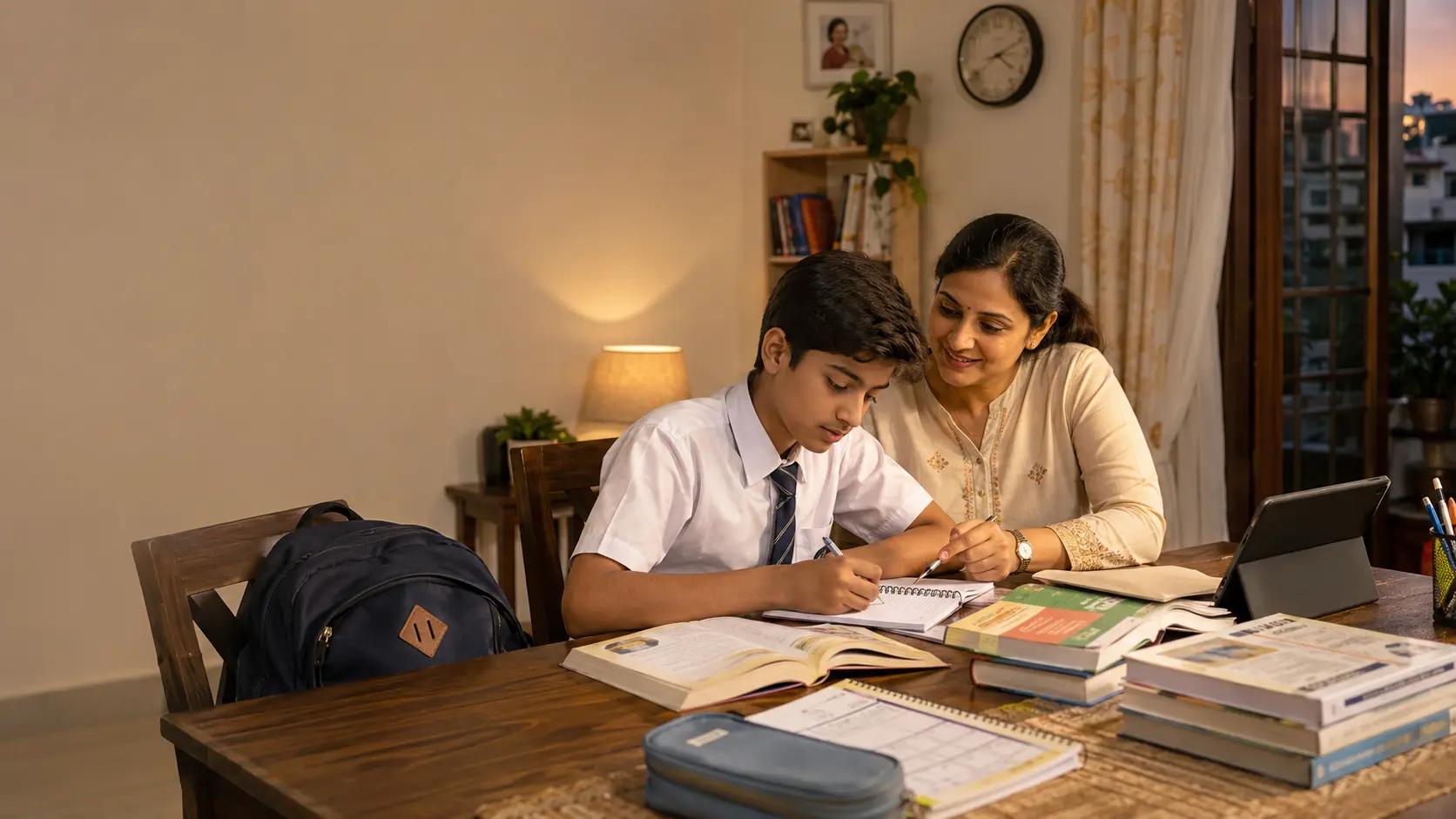
Your Child Got Into a Good CBSE School. Here's What Still Needs to Happen at Home.
Even the best CBSE school can't close every student's learning gaps inside a classroom of thirty-five. Here's what at-home support needs to look like.

Helping CBSE Class 10 Children Adjust to Post-Exam Uncertainty
Navigating the emotional landscape after exams with confidence and support

How Parents Can Help Children Decompress After CBSE Class 10 Boards
Supporting your child’s recovery after the CBSE Class 10 Boards
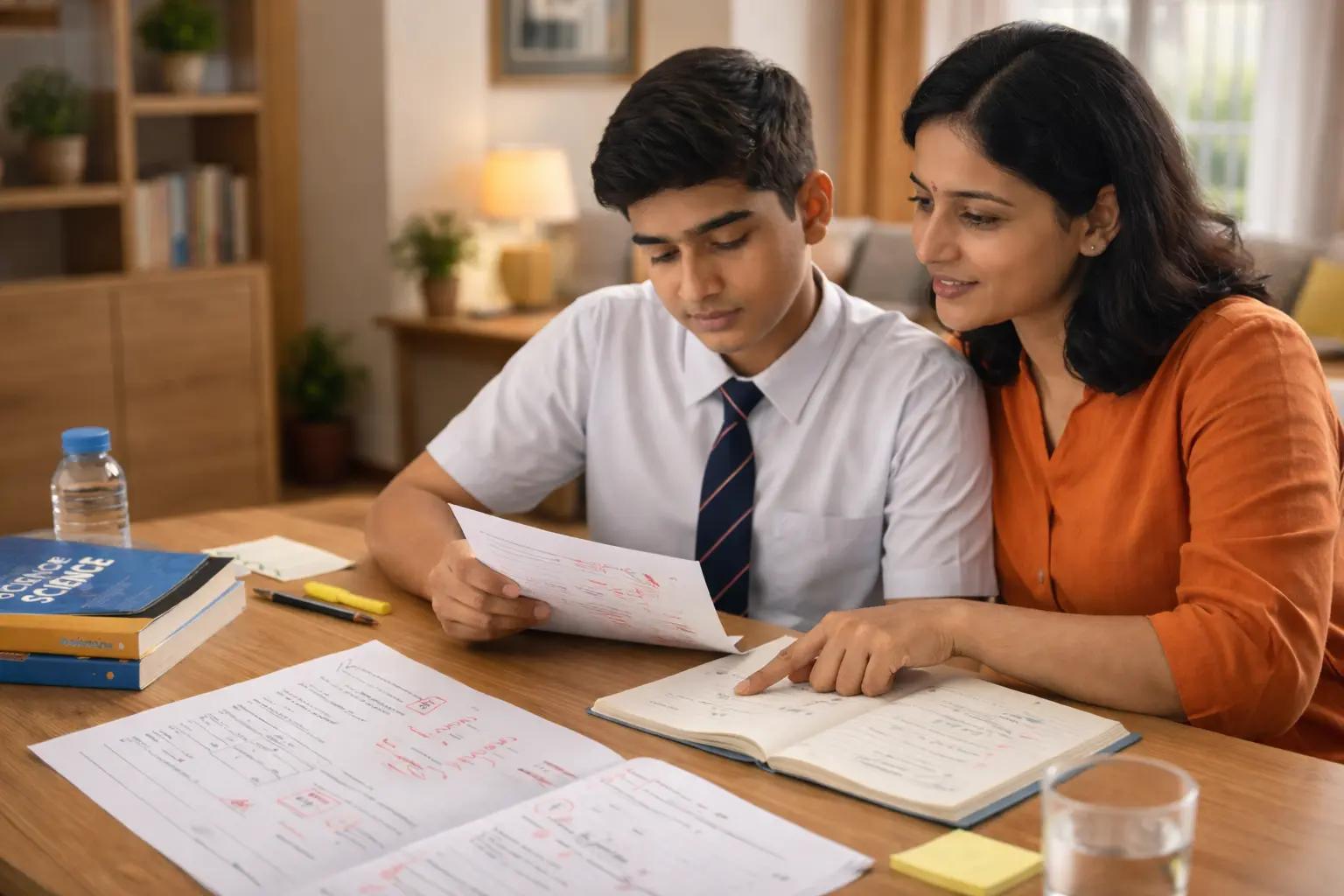
How Parents Should Talk to Children After Each CBSE Class 10 Exam
Supportive conversations for post-exam success