
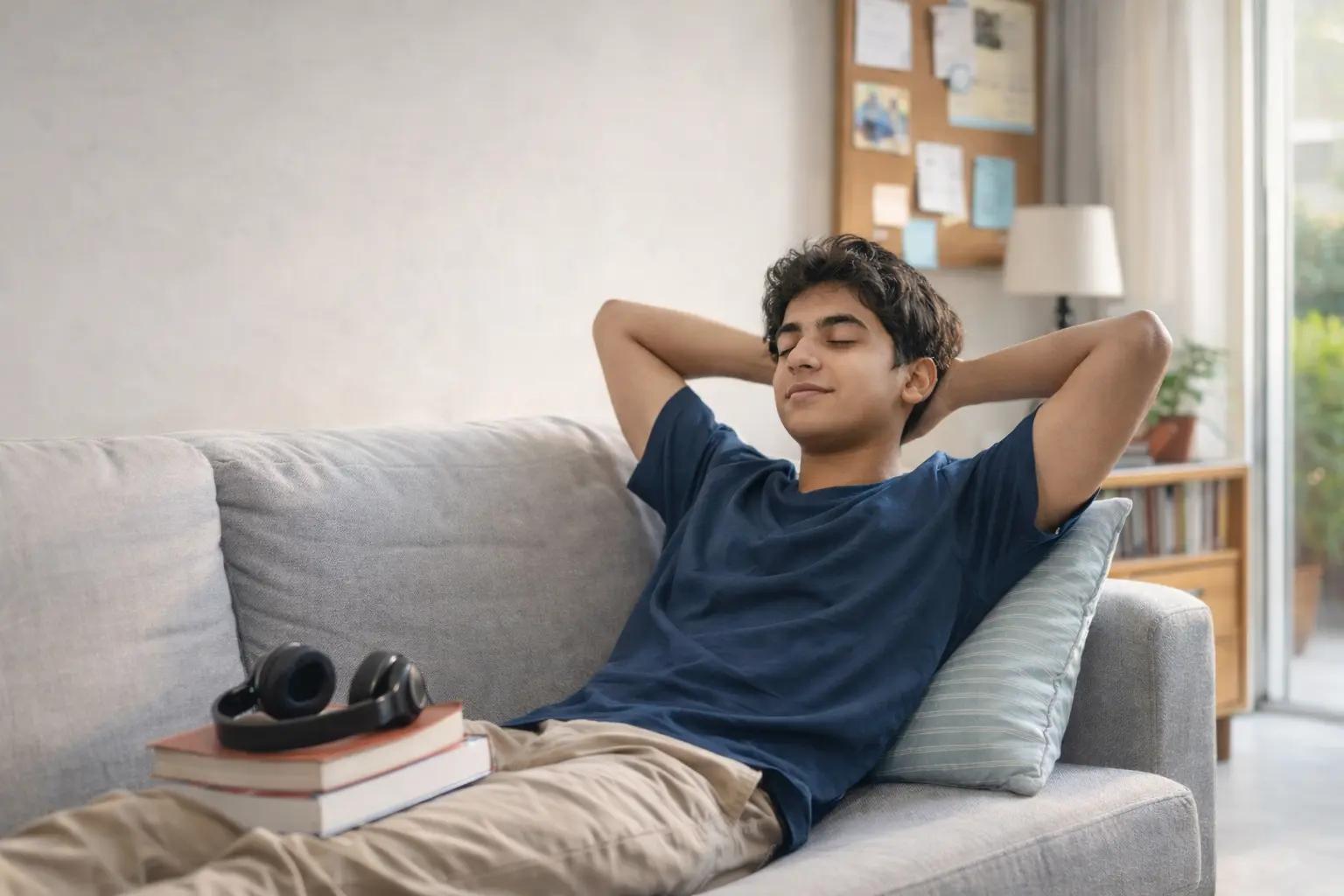
How CBSE Class 10 Students Can Mentally Switch Off After the Last Exam
Discover effective strategies for students to unwind and recharge after exams.
This blog provides essential strategies for CBSE Class 10 students to transition smoothly from exam pressure to relaxation, focusing on mental well-being.

Gaurav Parashar
@gauravparashar
Listen to this article
How CBSE Class 10 Students Can Mentally Switch Off After the Last Exam
After months of rigorous study, countless hours spent preparing for exams, and the pressure of performance weighing heavily, the last exam often brings a sense of relief. However, for many students, the transition from the intense focus of exam preparation to a more relaxed state can be challenging. This blog explores why switching off feels difficult, offers strategies to let go of performance anxiety, and suggests healthy ways to relax and reconnect with hobbies and friends. We will also discuss maintaining a light daily structure, supporting emotional recovery, and preparing mentally for the next phase of life.
Why Switching Off Feels Difficult
For many CBSE Class 10 students, the months leading up to the board exams are filled with high expectations, both from themselves and their families. This pressure can create a mental state that is hard to escape from, even after the exams are over. The brain, accustomed to constant studying and anxiety, may struggle to shift gears.
The phenomenon of post-exam stress is not uncommon. Students often find themselves replaying exam questions in their minds, worrying about their performance, and anticipating results. This can lead to a cycle of anxiety that makes it difficult to relax. Understanding this mental state is the first step towards effectively managing it.
Letting Go of Performance Anxiety
Performance anxiety is a common experience among students, especially during critical exams like the CBSE Class 10 board exams. This anxiety stems from the fear of not meeting expectations, whether they are self-imposed or from parents and teachers. To let go of this anxiety, students can adopt several strategies:
Practice Mindfulness: Engaging in mindfulness exercises can help students focus on the present moment rather than worrying about past performances or future results. Simple techniques like deep breathing or guided meditation can be beneficial.
Positive Affirmations: Encouraging students to replace negative thoughts with positive affirmations can help shift their mindset. Phrases like “I did my best” or “I am proud of my efforts” can foster a more positive outlook.
Talk It Out: Discussing feelings with friends, family, or a counselor can provide relief. Sharing experiences can normalize feelings of anxiety and help students realize they are not alone.
Avoiding Instant Result Obsession
In today's digital age, the temptation to check results immediately after exams can be overwhelming. Many students find themselves refreshing their phones or computers, waiting for updates. This obsession can lead to increased anxiety and disappointment. Here are some strategies to avoid this:
Set Boundaries: Students should set a specific time to check results rather than doing it impulsively. This can help manage anxiety and create a healthier relationship with outcomes.
Engage in Activities: Keeping busy with hobbies or spending time with friends can distract students from the urge to check results constantly. Engaging in enjoyable activities can also promote relaxation.
Focus on the Journey: Reminding students that exams are just one part of their educational journey can help shift their focus from results to personal growth and learning.
Healthy Ways to Relax and Unwind
After the intensity of exam preparation, it is essential for students to find healthy ways to relax and unwind. Here are some effective methods:
Physical Activity: Engaging in physical activities like sports, yoga, or even a simple walk can help release pent-up energy and reduce stress. Exercise is known to boost mood and improve overall mental health.
Creative Outlets: Students should reconnect with creative hobbies like painting, writing, or playing a musical instrument. These activities can provide a sense of accomplishment and joy.
Reading for Pleasure: Picking up a book that is not related to schoolwork can be a great way to escape and relax. Fiction, fantasy, or even comics can transport students to different worlds, helping them unwind.
Reconnecting with Hobbies and Friends
Exams often consume a significant amount of time, leading students to neglect their hobbies and social lives. After exams, it is crucial for students to reconnect with these aspects of their lives:
Plan Social Activities: Organizing outings with friends, whether it’s a movie night or a picnic, can help students reconnect and share their experiences. Socializing can be a great way to relieve stress.
Join Clubs or Groups: Students can explore joining clubs or groups that align with their interests, such as art clubs, sports teams, or book clubs. This can provide a sense of community and belonging.
Volunteer Opportunities: Engaging in volunteer work can be fulfilling and provide a sense of purpose. Helping others can also shift the focus away from personal stress and anxiety.
Maintaining a Light Daily Structure
While it is important to relax, maintaining a light daily structure can help students transition smoothly out of exam mode. Here are some tips:
Set a Daily Routine: Establishing a simple daily routine can provide a sense of normalcy. This could include time for relaxation, hobbies, and light study or reading.
Incorporate Breaks: Students should ensure that their routine includes breaks to avoid burnout. Short breaks during activities can enhance productivity and creativity.
Flexible Goals: Setting flexible goals for each day can help students stay motivated without the pressure of strict deadlines. This could include reading a chapter of a book or completing a small project.
Supporting Emotional Recovery
The emotional toll of exams can linger long after the last paper is submitted. Supporting emotional recovery is vital for students to regain their balance:
Encourage Open Communication: Parents and guardians should create an environment where students feel comfortable discussing their feelings. Open communication can help students process their emotions.
Seek Professional Help if Needed: If a student shows signs of prolonged anxiety or depression, seeking help from a counselor or psychologist can be beneficial. Professional support can provide coping strategies and guidance.
Promote Positive Relationships: Encouraging students to spend time with supportive friends and family can help them feel valued and understood, aiding in emotional recovery.
Preparing Mentally for the Next Phase
As students transition out of Class 10, it is essential to prepare mentally for the next phase of their academic journey. Here are some strategies:
Explore Future Options: Students should take time to explore their interests and future academic options, whether it’s choosing subjects for Class 11 or considering vocational courses. This exploration can provide direction and purpose.
Set Personal Goals: Encouraging students to set personal goals for the upcoming year can foster motivation and a sense of achievement. These goals can be academic, personal, or related to hobbies.
Stay Informed: Keeping up with educational resources, such as Edzy, can help students stay informed about new learning methods and opportunities. Engaging with educational content can also ease the transition into higher classes.
In conclusion, switching off after the last exam is a crucial step for CBSE Class 10 students to ensure their mental well-being. By understanding the challenges of letting go of performance anxiety, avoiding instant result obsession, and embracing healthy relaxation methods, students can successfully transition from exam mode to a more balanced life. Reconnecting with hobbies, maintaining a light structure, and preparing for the future will not only aid in emotional recovery but also set the stage for continued success in their academic journey.
Suggested blogs
How CBSE Class 10 Students Can Set Goals for the Next Academic Year
Empowering students to set inspiring and achievable goals for their future.
How CBSE Class 10 Students Can Handle Exam Fatigue Mid-Boards
Strategies for overcoming exam fatigue during the crucial board exams
How CBSE Class 10 Students Can Stay Calm During Board Exam Week
Essential strategies for students to maintain composure during board exams
How CBSE Class 10 Students Can Manage Stress as Board Exams Approach
Effective strategies for managing exam stress in CBSE Class 10 students.