
Beating Exam Anxiety: Simple Breathing and Focus Exercises for Students
Simple techniques to help students manage exam stress effectively
This blog explores effective breathing and focus exercises to help students combat exam anxiety, ensuring better performance and peace of mind.
Listen to this article
Beating Exam Anxiety: Simple Breathing and Focus Exercises for Students
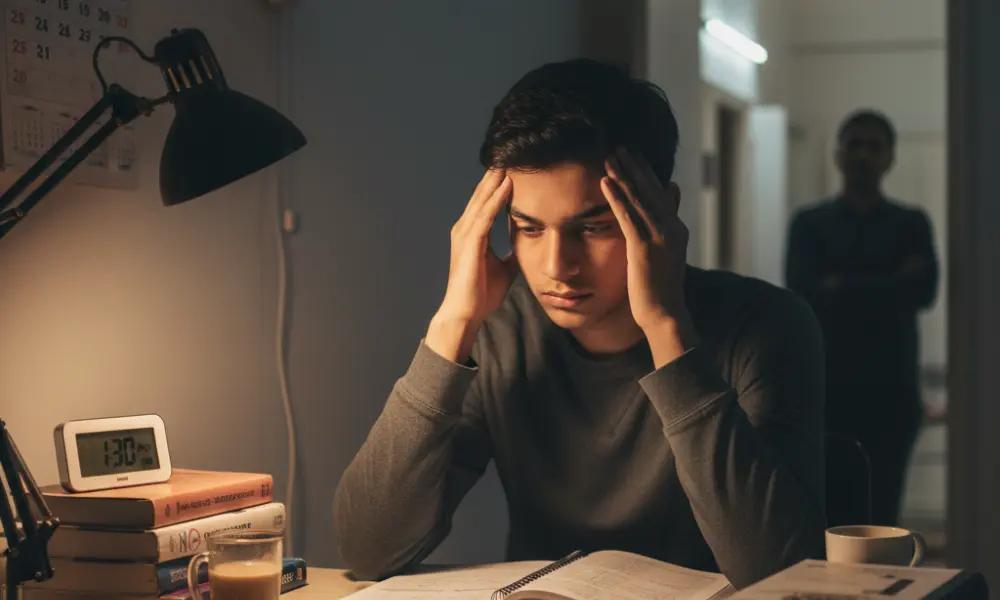
Exam anxiety is a common experience among students, often affecting even those who are well-prepared. As exams approach, many students find themselves overwhelmed by stress and worry, which can hinder their performance. Understanding how to manage this anxiety is crucial for academic success and overall well-being. In this blog, we will explore the symptoms of exam anxiety, how it affects performance, and provide simple, science-backed breathing and focus exercises that can help students calm their nerves before and during exams.
Understanding Exam Anxiety Symptoms
Exam anxiety manifests in various ways, both physically and emotionally. Students may experience symptoms such as:
Increased heart rate
Shortness of breath
Sweating or trembling
Difficulty concentrating
Feelings of dread or panic
Recognizing these symptoms is the first step in addressing them. For instance, a student might feel their heart racing before entering the exam hall or struggle to recall information they studied just days before. Understanding that these feelings are common can help students feel less isolated in their experiences.
How Anxiety Affects Performance
Anxiety can significantly impair a student's ability to perform well in exams. When the body is in a state of stress, it releases hormones like cortisol, which can cloud judgment and hinder memory recall. A study conducted among CBSE students showed that those who reported high levels of anxiety scored lower on math exams compared to their calmer peers. This highlights the importance of managing anxiety effectively.
Moreover, anxiety can lead to a vicious cycle. As students become anxious about their performance, they may avoid studying or feel unmotivated, which in turn increases their anxiety. Breaking this cycle is essential for improving both mental health and academic outcomes.
Simple Breathing Exercises to Relax
Breathing exercises are a powerful tool for managing anxiety. They can be done anywhere and require no special equipment. Here are a few simple techniques:
Deep Breathing
Deep breathing involves inhaling deeply through the nose, holding the breath for a few seconds, and then exhaling slowly through the mouth. This technique helps to activate the body's relaxation response. Students can practice this for a few minutes before an exam to calm their nerves.
4-7-8 Breathing Technique
This technique involves inhaling for four seconds, holding the breath for seven seconds, and exhaling for eight seconds. This method can help reduce anxiety and promote a sense of calm. Students can use this technique in the moments leading up to their exams or even during breaks.
Box Breathing
Box breathing consists of inhaling for four seconds, holding for four seconds, exhaling for four seconds, and then holding again for four seconds. This rhythmic breathing pattern can help students regain focus and reduce anxiety in stressful situations.
Focus-Building Mindfulness Techniques
Mindfulness techniques can help students improve their focus and reduce anxiety. Here are some effective strategies:
Mindful Observation
Students can practice mindful observation by focusing on a single object in their environment. This could be a pen, a flower, or even a picture on the wall. By concentrating on the details of the object, students can train their minds to stay present and reduce racing thoughts.
Guided Imagery
Guided imagery involves visualizing a peaceful scene or a successful exam experience. Students can close their eyes and imagine themselves walking into the exam room confidently, answering questions with ease. This technique can help create a positive mindset and alleviate anxiety.
Progressive Muscle Relaxation
This technique involves tensing and then relaxing each muscle group in the body. Students can start from their toes and work their way up to their head, focusing on the sensation of relaxation. This practice not only calms the mind but also helps release physical tension.
Pre-Exam Routines That Calm the Mind
Establishing a pre-exam routine can provide students with a sense of control and calmness. Here are some effective strategies:
Create a Study Schedule
Having a structured study schedule can help students feel more prepared and less anxious. They should allocate specific times for each subject and include breaks to avoid burnout. For example, a student might study math for 45 minutes, take a 15-minute break, and then switch to science.
Practice Mock Exams
Simulating exam conditions through mock tests can help students familiarize themselves with the exam format and reduce anxiety. They can time themselves and practice answering questions under pressure, which can build confidence.
Relaxation Techniques Before Bed
Incorporating relaxation techniques into their bedtime routine can improve sleep quality. Students can engage in light reading, listen to calming music, or practice deep breathing exercises before going to bed. A good night’s sleep is crucial for optimal performance.
Nutrition and Sleep for Better Mental Stability
Nutrition and sleep play a vital role in managing anxiety and enhancing cognitive function. Here are some tips:
Balanced Diet
A balanced diet rich in fruits, vegetables, whole grains, and lean proteins can help stabilize mood and energy levels. Foods high in omega-3 fatty acids, such as fish and walnuts, have been shown to reduce anxiety. Students should also stay hydrated, as dehydration can exacerbate feelings of anxiety.
Limit Caffeine and Sugar
While caffeine can provide a temporary boost in energy, it can also increase anxiety levels. Students should limit their intake of caffeinated beverages, especially before exams. Similarly, high sugar consumption can lead to energy crashes, which can negatively impact focus and mood.
Prioritize Sleep
Adequate sleep is essential for cognitive function and emotional regulation. Students should aim for 7-9 hours of quality sleep each night. Establishing a consistent sleep schedule and creating a calming bedtime routine can help improve sleep quality.
How Parents Can Support Anxious Students
Parents play a crucial role in helping their children manage exam anxiety. Here are some ways they can provide support:
Open Communication
Encouraging open communication about feelings can help students feel understood and supported. Parents should create a safe space for their children to express their concerns and fears regarding exams.
Encourage Healthy Habits
Parents can promote healthy habits by encouraging balanced meals, regular exercise, and sufficient sleep. Engaging in family activities that promote relaxation, such as yoga or nature walks, can also help reduce anxiety.
Be a Source of Reassurance
Reassuring students that it’s okay to feel anxious and that they are not alone in their experiences can help alleviate some of their stress. Parents should emphasize that their love and support are unconditional, regardless of academic performance.
Final Words: Confidence Through Calmness
Managing exam anxiety is a journey that requires practice and patience. By incorporating simple breathing and focus exercises, establishing pre-exam routines, and maintaining a healthy lifestyle, students can build their confidence and approach exams with a calm mind. Parents can play a vital role in this process by providing support and encouragement. Remember, exams are just one part of the learning journey, and maintaining a balanced perspective is key to success.
Suggested blogs
How CBSE Class 10 Students Can Set Goals for the Next Academic Year
Empowering students to set inspiring and achievable goals for their future.

How CBSE Class 10 Students Can Mentally Switch Off After the Last Exam
Discover effective strategies for students to unwind and recharge after exams.

How CBSE Class 10 Students Can Handle Exam Fatigue Mid-Boards
Strategies for overcoming exam fatigue during the crucial board exams

How CBSE Class 10 Students Can Stay Calm During Board Exam Week
Essential strategies for students to maintain composure during board exams