
Brand Logo
Login
Search
Brand Logo

Edzy for Classes 6-12

Edzy is a personal AI tutor for CBSE and State Board students, with curriculum-aligned guidance, practice, revision, and study plans that adapt to each learner.

  • Email: always@edzy.ai
  • Phone: +91 96256 68472
  • WhatsApp: +91 96256 68472
  • Address: Sector 63, Gurgaon, Haryana

Follow Edzy

Browse by Class

  • CBSE Class 6
  • CBSE Class 7
  • CBSE Class 8
  • CBSE Class 9
  • CBSE Class 10
  • CBSE Class 11
  • CBSE Class 12
Explore the CBSE resource hub

Explore Edzy

  • About Us
  • Why We Built Edzy
  • Search Learning Resources
  • Blog
  • CBSE News & Updates
  • Contact Us
  • CBSE AI Tutor
  • CBSE Resource Hub

Support & Legal

  • Help & FAQs
  • Accessibility
  • Privacy Policy
  • Terms & Conditions
  • Refund Policy
  • Cookie Policy
  • Site Directory

© 2026 Edzy. All rights reserved.

Curriculum-aligned learning paths for students in Classes 6-12.

CBSE
Class 11
English
Woven Words
A Pair of Mustachios

Revision Guide

Practice Hub

Revision Guide: A Pair of Mustachios

This chapter explores the societal significance of moustaches in India, illustrating how they represent class distinctions and personal identity.

Structured practice

A Pair of Mustachios - Quick Look Revision Guide

Your 1-page summary of the most exam-relevant takeaways from Woven Words.

This compact guide covers 20 must-know concepts from A Pair of Mustachios aligned with Class 11 preparation for English. Ideal for last-minute revision or daily review.

Revision Guide

Revision guide

Complete study summary

Essential formulas, key terms, and important concepts for quick reference and revision.

Key Points

1

Mustachios symbolize social status.

Different styles of mustachios reflect various social classes, establishing identity.

2

Nouveau riche - new wealthy class.

Refers to individuals who have recently acquired wealth, often lacking traditional status.

3

Khan Azam Khan's pride and lineage.

His noble descent fuels his arrogance despite his current impoverished state.

4

Ramanand's transformation of his moustache.

He alters his goat moustache to resemble a tiger’s, leading to class tension.

5

Social conventions are rigid.

The adherence to moustache styles shows the absurdity of class distinctions in society.

6

Identity tied to appearance.

Mustachios reflect not just class but personal identity, impacting social interactions.

7

Role of commerce in social hierarchy.

Ramanand exploits peasants' vulnerability, showcasing the intersection of wealth and class.

8

Conflict over moustache styles.

The dispute between Ramanand and Khan signifies deeper class rivalry and pride.

9

Satirical portrayal of social norms.

Anand critiques societal norms, using humour to highlight the absurdities of pride.

10

Symbols of power: moustaches.

Moustaches serve as symbols of authority and pride within social structures.

11

Khan's reaction to imitation.

His anger over imitation illustrates the fragility of social status when challenged.

12

Bargaining over dignity.

Khan sacrifices dignity for his wife’s necklace to restore his pride regarding moustaches.

13

Significance of names and titles.

Names like 'Seth' or 'Khan' denote social roles and expectations rooted in history.

14

Community's complicity in social norms.

The villagers enforce and participate in class structures, reflecting societal complicity.

15

Humour reflects societal commentary.

Anand employs irony to underscore the ridiculousness of class distinctions.

16

Disparity in social mobility.

The story highlights the limited social mobility available to lower classes.

17

Role of elders in upholding tradition.

The village elders reinforce customs, illustrating the weight of tradition in society.

18

Turning down the moustache tip.

Symbolizes submission to societal expectations; significance is a central theme.

19

Dialogue enhances tension.

Conversations between characters convey power dynamics and class tensions vividly.

20

Final irony of pretensions.

Ramanand’s eventual compliance underscores the cyclical nature of pride and imitation.

21

Anand's critique of vanity.

Through the story, Anand critiques the absurdity of vanity tied to social standing.
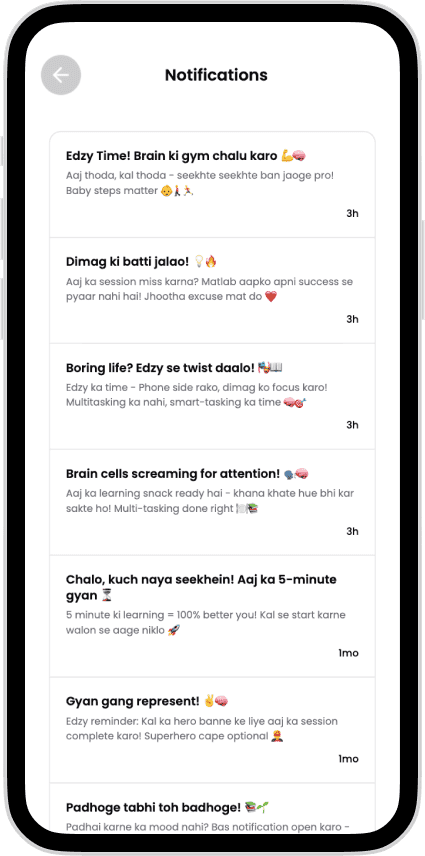
Learn Better On The App
Personalized support

Your Learning, Your Way

Get content and practice that fits your pace, level, and study goals.

Adaptive experience
Focused progress

Faster access to practice, revision, and daily study flow.

Edzy mobile app preview

Chapters related to "A Pair of Mustachios"

The Lament

This chapter explores the themes of grief and loneliness through the character of a cabdriver mourning his son. It highlights the struggle for connection in a bustling city.

Start chapter

The Rocking-horse Winner

This chapter explores the themes of luck, materialism, and emotional disconnect within a family through the eyes of young Paul, who seeks to alleviate his mother's dissatisfaction.

Start chapter

The Adventure of the Three Garridebs

This chapter follows Sherlock Holmes and Dr. Watson as they investigate a curious inheritance involving three individuals named Garrideb. It highlights themes of deception, greed, and human complexity.

Start chapter

Pappachi’s Moth

This chapter explores the complexities of family dynamics and the impact of personal failures on relationships. It highlights themes of domestic abuse, jealousy, and the struggle for identity.

Start chapter

The Third and Final Continent

This chapter narrates the journey of an Indian immigrant adapting to life in America. It reveals themes of cultural identity and human connection, emphasizing the experiences of displacement and belonging.

Start chapter

Glory at Twilight

This chapter explores the dramatic fall of Satyajit from glory to despair, highlighting themes of ambition, failure, and human connections in times of crisis.

Start chapter

The Luncheon

This chapter tells the story of an awkward luncheon between the author and a demanding woman, highlighting themes of social appearances and financial struggles.

Start chapter

The Peacock

The chapter explores the beauty and characteristics of the peacock, highlighting its significance in nature and culture.

Start chapter

Let me Not to the Marriage of True Minds

This chapter explores the nature of true love through a famous sonnet by William Shakespeare, emphasizing its constancy and resilience.

Start chapter

Coming

This chapter explores the themes of change and the joy of spring through the poem 'Coming' by Philip Larkin, highlighting its significance in understanding nature and childhood.

Start chapter

Worksheet Levels Explained

This drawer provides information about the different levels of worksheets available in the app.

A Pair of Mustachios Summary, Important Questions & Solutions | All Subjects

Question Bank

Worksheet

Revision Guide