
Brand Logo

Class 9

Class 9 - English
Moments (9 Chapters)|
Beehive (18 Chapters)|
Words and Expressions - I (9 Chapters)
Class 9 - Health and Physical Education
Health and Physical Education (14 Chapters)
Class 9 - Hindi
Sanchayan (4 Chapters)|
Sparsh (10 Chapters)|
Kshitij (13 Chapters)|
Kritika (4 Chapters)
Class 9 - ICT
Information and Communication Technology (8 Chapters)
Class 9 - Mathematics
Mathematics (12 Chapters)
Class 9 - Sanskrit
Shemushi Prathmo Bhag (10 Chapters)|
Vyakaranavithi (20 Chapters)|
Abhyaswaan Bhav (15 Chapters)
Class 9 - Science
Science (12 Chapters)
Class 9 - Social Science
Contemporary India (6 Chapters)|
Democratic Politics (5 Chapters)|
Economics (4 Chapters)|
India and the Contemporary World - I (5 Chapters)

Class 10

Class 10 - English
First Flight (22 Chapters)|
Foot Prints Without feet (9 Chapters)|
Words and Expressions - II (9 Chapters)
Class 10 - Health and Physical Education
Health and Physical Education (13 Chapters)
Class 10 - Hindi
Kshitij - II (13 Chapters)|
Sparsh (14 Chapters)|
Sanchayan - II (3 Chapters)|
Kritika (3 Chapters)
Class 10 - Mathematics
Mathematics (14 Chapters)
Class 10 - Sanskrit
Vyakaranavithi (14 Chapters)|
Shemushi - II (12 Chapters)|
Abhyaswaan Bhav - II (14 Chapters)
Class 10 - Science
Science (13 Chapters)
Class 10 - Social Science
Contemporary India (7 Chapters)|
Democratic Politics (5 Chapters)|
India and the Contemporary World - II (5 Chapters)|
Understanding Economic Development (5 Chapters)
Class 10 - Urdu
Nawa-e-urdu (25 Chapters)

Class 11

Class 11 - Accountancy
Accountancy - II (2 Chapters)|
Financial Accounting - I (7 Chapters)
Class 11 - Biology
Biology (19 Chapters)
Class 11 - Biotechnology
Biotechnology (12 Chapters)
Class 11 - Business Studies
Business Studies (11 Chapters)
Class 11 - Chemistry
Chemistry Part - I (6 Chapters)|
Chemistry Part - II (3 Chapters)
Class 11 - Computer Science
Computer Science (11 Chapters)
Class 11 - Creative Writing and Translation
Srijan (4 Chapters)
Class 11 - Economics
Statistics for Economics (8 Chapters)|
Indian Economic Development (8 Chapters)
Class 11 - English
Hornbill (11 Chapters)|
Snapshots (5 Chapters)|
Woven Words (27 Chapters)
Class 11 - Fine Art
An Introduction to Indian Art Part - I (8 Chapters)
Class 11 - Geography
Fundamentals of Physical Geography (14 Chapters)|
India Physical Environment (6 Chapters)|
Practical Work in Geography (6 Chapters)
Class 11 - Health and Physical Education
Health and Physical Education (11 Chapters)
Class 11 - History
Themes in World History (13 Chapters)
Class 11 - Home Science
Human Ecology and Family Sciences - I (7 Chapters)|
Human Ecology and Family Sciences - II (4 Chapters)
Class 11 - Informatics Practices
Informatics Practices (8 Chapters)
Class 11 - Knowledge Traditions Practices of India
Knowledge Traditions Practices of India (9 Chapters)
Class 11 - Mathematics
Mathematics (14 Chapters)
Class 11 - Physics
Physics Part - I (7 Chapters)|
Physics Part - II (7 Chapters)
Class 11 - Political Science
Indian Constitution at Work (10 Chapters)|
Political Theory (8 Chapters)
Class 11 - Psychology
Introduction to Psychology (8 Chapters)
Class 11 - Sangeet
Tabla evam Pakhawaj (8 Chapters)|
Hindustani Sangeet Gayan Evam Vadan (10 Chapters)
Class 11 - Sociology
Understanding Society (5 Chapters)|
Introducing Sociology (5 Chapters)

Class 12

Class 12 - Accountancy
Accountancy Part - I (4 Chapters)|
Accountancy Part - II (6 Chapters)
Class 12 - Biology
Biology (13 Chapters)
Class 12 - Biotechnology
Biotechnology (13 Chapters)
Class 12 - Business Studies
Business Studies - II (3 Chapters)|
Business Studies - I (8 Chapters)
Class 12 - Chemistry
Chemistry - II (5 Chapters)|
Chemistry - I (5 Chapters)
Class 12 - Computer Science
Computer Science (13 Chapters)
Class 12 - Economics
Introductory Microeconomics (5 Chapters)|
Introductory Macroeconomics (6 Chapters)
Class 12 - English
Flamingo (14 Chapters)|
Vistas (7 Chapters)|
Kaliedoscope (21 Chapters)
Class 12 - Fine Art
An Introduction to Indian Art Part - II (8 Chapters)
Class 12 - Geography
Practical Work in Geography - Part II (4 Chapters)|
Fundamentals of Human Geography (8 Chapters)|
India - People and Economy (9 Chapters)
Class 12 - Hindi
Aroh (15 Chapters)|
Antra (23 Chapters)|
Antral Bhag - II (3 Chapters)|
Vitan (3 Chapters)
Class 12 - History
Themes in Indian History - III (4 Chapters)|
Themes in Indian History - I (4 Chapters)|
Themes in Indian History - II (4 Chapters)
Class 12 - Home Science
Human Ecology and Family Sciences Part I (7 Chapters)|
Human Ecology and Family Sciences Part II (7 Chapters)
Class 12 - Informatics Practices
Informatics Practices (7 Chapters)
Class 12 - Mathematics
Mathematics Part - I (6 Chapters)|
Mathematics Part - II (7 Chapters)
Class 12 - Physics
Physics Part - I (8 Chapters)|
Physics Part - II (6 Chapters)
Class 12 - Political Science
Politics in India Since Independence (8 Chapters)|
Contemporary World Politics (7 Chapters)
Class 12 - Psychology
Psychology (7 Chapters)
Class 12 - Sangeet
Hindustani Sangeet Gayan Evam Vadan (9 Chapters)|
Tabla evam Pakhawaj (7 Chapters)
Class 12 - Sociology
Social Change and Development in India (8 Chapters)|
Indian Society (7 Chapters)

About Edzy - Gamified Learning Platform

Edzy is India's premier gamified AI tutor platform for CBSE and State Board students in classes 6-12. Our platform transforms traditional studying with AI-powered study plans, interactive practice sessions, and personalized learning pathways. Students using Edzy experience unmatched learning efficiency through our immersive educational environment that combines advanced technology with curriculum-aligned content.

Why Choose Edzy for CBSE and State Board Preparation

Edzy offers an adaptive AI educational experience tailored to each student's learning style and pace. We integrate gamification with proven educational strategies to create an engaging environment that students love. Our micro-content approach breaks down complex CBSE and State Board topics into manageable lessons, building confidence through mastery-based progression and real-time feedback.

CBSE and State Board Focus Areas

Edzy specializes in transforming online education for classes 6-12 with AI-powered tutoring. We provide comprehensive NCERT-aligned content and engaging lessons across Mathematics, Science, English, Social Studies, and IT. Our system helps students master fundamental concepts and excel in board exams through AI-generated study plans, personalized learning timelines, and dynamic practice sessions.

Edzy's Unique Approach to Online Learning

Unlike traditional online coaching platforms, Edzy converts CBSE and State Board syllabus content into interactive learning adventures. Our AI tutor provides timely assistance while adapting to student progress. The platform features instant feedback, gamified practice sessions, and achievement badges to motivate continuous learning and concept mastery.

Brand Logo

Edzy | Largest Online Learning Platform for Classes 6–12

Study smarter with Edzy – India’s leading gamified AI tutor for CBSE and State Boards. Designed for Classes 6–12, Edzy offers interactive lessons, AI-powered study plans, and rewarding practice tools for every subject.

Find us on Social Media

Links

About EdzyFAQsContact UsCBSE CoursesDuelsRumblesEdzy App

Parents & Teachers

Search EdzyParent DashboardCreator PlatformEducation BlogCBSE & NCERT News

Policies

Terms and ConditionsRefund PolicyPrivacy PolicyCookie Policy

© 2026 Edzy | Largest Online Learning Platform for Classes 6–12. All rights reserved.

Edzy is an AI tutor for CBSE and State Board students, offering interactive lessons and personalized learning for Classes 6–12.

SitemapNews SitemapBlog SitemapSchool SitemapAccessibility
CBSE
Class 12
English
Kaliedoscope
On Science Fiction

Revision Guide

Revision Guide: On Science Fiction

Explore the imaginative realms of science fiction, where futuristic technologies and speculative scenarios challenge our understanding of reality and the universe.

On Science Fiction - Quick Look Revision Guide

Your 1-page summary of the most exam-relevant takeaways from Kaliedoscope.

This compact guide covers 20 must-know concepts from On Science Fiction aligned with Class 12 preparation for English. Ideal for last-minute revision or daily review.

Revision Guide

Revision guide

Complete study summary

Essential formulas, key terms, and important concepts for quick reference and revision.

Key Points

1

Asimov's background in science & literature.

Isaac Asimov's expertise as a writer and biochemist influences his works, blending science with imaginative storytelling.

2

Defining science fiction.

Science fiction is distinct from other genres, depicting futuristic possibilities influenced by scientific advancements.

3

Prescientific universe concept.

Myths served emotional needs before science fiction; they featured whimsical gods, unlike modern scientific narratives.

4

The role of science in shaping the future.

Science fiction anticipates future societies shaped by scientific and technological advancements, emphasizing their impact.

5

Nature of ancient stories.

Ancient myths often depict humans with superhuman qualities, sharing themes and emotional resonance with science fiction.

6

Human control through science.

The narrative of science fiction reflects humankind's desire to understand and manipulate the universe through science.

7

Importance of unbreakable natural laws.

Science fiction asserts that understanding nature's laws enables control over the environment, providing narrative consistency.

8

Evolution of literary forms.

Asimov suggests that both science fiction and ancient mythology fulfill similar emotional needs despite different settings.

9

Comparison of genres.

Asimov articulates that a story can belong to multiple genres, including science fiction, by changing its background context.

10

John W. Campbell’s insights.

Campbell's assertion that science fiction can encompass varied societal structures speaks to its expansive genre boundaries.

11

Challenges in writing sci-fi mysteries.

Asimov discusses the complexities in combining scientific principles with mystery elements, ensuring narrative coherence.

12

Need for rational extrapolation.

A successful science fiction narrative must include logical extensions of current scientific understanding to be believable.

13

Societal reflections in sci-fi.

Science fiction serves as a mirror, reflecting societal hopes, fears, and aspirations towards the future and technology.

14

Emotional resonance.

Similar to ancient myths, science fiction caters to humanity's longing for wonder and exploration beyond the known.

15

Role of scientists in society's perception.

Society holds scientists in high esteem, viewing them as pivotal to humanity's understanding and manipulation of the universe.

16

Validity of science fiction today.

Asimov argues that the laws of nature form the credible foundation of contemporary science fiction narratives.

17

Coping with historical contexts.

Narrative depth can be achieved by examining historical tales, drawing parallels with modern society's developments.

18

Examples from ancient myths.

Illustrates how legendary heroes and mythic creatures lay the groundwork for imaginative elements found in sci-fi.

19

Interconnectedness of fiction genres.

Asimov posits that while sci-fi embraces radical ideas, it still aligns with human emotional themes found in other genres.

20

A call for broad definitions.

He invites readers to expand their definitions of science fiction, acknowledging its diverse narratives and contexts.
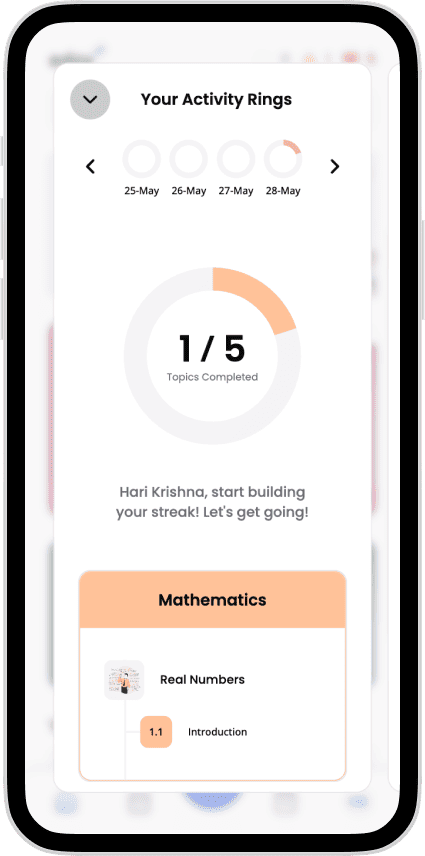
📅 Your Study Plan, Ready

Get a fresh daily learning plan made just for you, every morning.

Edzy mobile app

Chapters related to "On Science Fiction"

Freedom

Explore the essence of Freedom, understanding its significance, struggles, and the responsibilities it entails in shaping societies and individual lives.

The Mark on the Wall

Explore the depths of human perception and memory as the narrator reflects on a mark on the wall, leading to a stream of consciousness about life, reality, and the nature of thought.

Film-making

Explore the art and techniques of film-making, from scripting to editing, in this comprehensive chapter designed for CBSE students.

Why the Novel Matters

Explore the significance of novels in shaping human thought and culture, delving into their power to influence and reflect societal values.

The Argumentative Indian

The Argumentative Indian explores India's rich tradition of public debate and intellectual pluralism, highlighting its impact on democracy and social change.

Chandalika

Chandalika is a play by Rabindranath Tagore that explores themes of caste discrimination, spiritual awakening, and the quest for self-identity through the story of a young girl named Prakriti.

Broken Images

Explore the complexities of human relationships and self-perception through the lens of a broken image in this thought-provoking chapter.

Worksheet Levels Explained

This drawer provides information about the different levels of worksheets available in the app.

On Science Fiction Summary, Important Questions & Solutions | All Subjects

Worksheet

Revision Guide