Brand Logo

Class 9

Class 9 - English
Moments (9 Chapters)|
Beehive (18 Chapters)|
Words and Expressions - I (9 Chapters)
Class 9 - Health and Physical Education
Health and Physical Education (14 Chapters)
Class 9 - Hindi
Sanchayan (4 Chapters)|
Sparsh (10 Chapters)|
Kshitij (13 Chapters)|
Kritika (4 Chapters)
Class 9 - ICT
Information and Communication Technology (8 Chapters)
Class 9 - Mathematics
Mathematics (12 Chapters)
Class 9 - Sanskrit
Shemushi Prathmo Bhag (10 Chapters)|
Vyakaranavithi (20 Chapters)|
Abhyaswaan Bhav (15 Chapters)
Class 9 - Science
Science (12 Chapters)
Class 9 - Social Science
Contemporary India (6 Chapters)|
Democratic Politics (5 Chapters)|
Economics (4 Chapters)|
India and the Contemporary World - I (5 Chapters)

Class 10

Class 10 - English
First Flight (22 Chapters)|
Foot Prints Without feet (9 Chapters)|
Words and Expressions - II (9 Chapters)
Class 10 - Health and Physical Education
Health and Physical Education (13 Chapters)
Class 10 - Hindi
Kshitij - II (13 Chapters)|
Sparsh (14 Chapters)|
Sanchayan - II (3 Chapters)|
Kritika (3 Chapters)
Class 10 - Mathematics
Mathematics (14 Chapters)
Class 10 - Sanskrit
Vyakaranavithi (14 Chapters)|
Shemushi - II (12 Chapters)|
Abhyaswaan Bhav - II (14 Chapters)
Class 10 - Science
Science (13 Chapters)
Class 10 - Social Science
Contemporary India (7 Chapters)|
Democratic Politics (5 Chapters)|
India and the Contemporary World - II (5 Chapters)|
Understanding Economic Development (5 Chapters)
Class 10 - Urdu
Nawa-e-urdu (15 Chapters)

Class 11

Class 11 - Accountancy
Accountancy - II (2 Chapters)|
Financial Accounting - I (7 Chapters)
Class 11 - Biology
Biology (19 Chapters)
Class 11 - Biotechnology
Biotechnology (12 Chapters)
Class 11 - Business Studies
Business Studies (11 Chapters)
Class 11 - Chemistry
Chemistry Part - I (6 Chapters)|
Chemistry Part - II (3 Chapters)
Class 11 - Computer Science
Computer Science (11 Chapters)
Class 11 - Creative Writing and Translation
Srijan (4 Chapters)
Class 11 - Economics
Statistics for Economics (8 Chapters)|
Indian Economic Development (8 Chapters)
Class 11 - English
Hornbill (11 Chapters)|
Snapshots (5 Chapters)|
Woven Words (27 Chapters)
Class 11 - Fine Art
An Introduction to Indian Art Part - I (8 Chapters)
Class 11 - Geography
Fundamentals of Physical Geography (14 Chapters)|
India Physical Environment (6 Chapters)|
Practical Work in Geography (6 Chapters)
Class 11 - Health and Physical Education
Health and Physical Education (11 Chapters)
Class 11 - History
Themes in World History (13 Chapters)
Class 11 - Home Science
Human Ecology and Family Sciences - I (7 Chapters)|
Human Ecology and Family Sciences - II (4 Chapters)
Class 11 - Informatics Practices
Informatics Practices (8 Chapters)
Class 11 - Knowledge Traditions Practices of India
Knowledge Traditions Practices of India (9 Chapters)
Class 11 - Mathematics
Mathematics (14 Chapters)
Class 11 - Physics
Physics Part - I (7 Chapters)|
Physics Part - II (7 Chapters)
Class 11 - Political Science
Indian Constitution at Work (10 Chapters)|
Political Theory (8 Chapters)
Class 11 - Psychology
Introduction to Psychology (8 Chapters)
Class 11 - Sangeet
Tabla evam Pakhawaj (8 Chapters)|
Hindustani Sangeet Gayan Evam Vadan (10 Chapters)
Class 11 - Sociology
Understanding Society (5 Chapters)|
Introducing Sociology (5 Chapters)

Class 12

Class 12 - Accountancy
Accountancy Part - I (4 Chapters)|
Accountancy Part - II (6 Chapters)
Class 12 - Biology
Biology (13 Chapters)
Class 12 - Biotechnology
Biotechnology (13 Chapters)
Class 12 - Business Studies
Business Studies - II (3 Chapters)|
Business Studies - I (8 Chapters)
Class 12 - Chemistry
Chemistry - II (5 Chapters)|
Chemistry - I (5 Chapters)
Class 12 - Computer Science
Computer Science (13 Chapters)
Class 12 - Economics
Introductory Microeconomics (5 Chapters)|
Introductory Macroeconomics (6 Chapters)
Class 12 - English
Flamingo (14 Chapters)|
Vistas (7 Chapters)|
Kaliedoscope (21 Chapters)
Class 12 - Fine Art
An Introduction to Indian Art Part - II (8 Chapters)
Class 12 - Geography
Practical Work in Geography - Part II (4 Chapters)|
Fundamentals of Human Geography (8 Chapters)|
India - People and Economy (9 Chapters)
Class 12 - Hindi
Aroh (15 Chapters)|
Antra (23 Chapters)|
Antral Bhag - II (3 Chapters)|
Vitan (3 Chapters)
Class 12 - History
Themes in Indian History - III (4 Chapters)|
Themes in Indian History - I (4 Chapters)|
Themes in Indian History - II (4 Chapters)
Class 12 - Home Science
Human Ecology and Family Sciences Part I (7 Chapters)|
Human Ecology and Family Sciences Part II (7 Chapters)
Class 12 - Informatics Practices
Informatics Practices (7 Chapters)
Class 12 - Mathematics
Mathematics Part - I (6 Chapters)|
Mathematics Part - II (7 Chapters)
Class 12 - Physics
Physics Part - I (8 Chapters)|
Physics Part - II (6 Chapters)
Class 12 - Political Science
Politics in India Since Independence (8 Chapters)|
Contemporary World Politics (7 Chapters)
Class 12 - Psychology
Psychology (7 Chapters)
Class 12 - Sangeet
Hindustani Sangeet Gayan Evam Vadan (9 Chapters)|
Tabla evam Pakhawaj (7 Chapters)
Class 12 - Sociology
Social Change and Development in India (8 Chapters)|
Indian Society (7 Chapters)

About Edzy - Gamified Learning Platform

Edzy is India's premier gamified AI tutor platform for CBSE and State Board students in classes 6-12. Our platform transforms traditional studying with AI-powered study plans, interactive practice sessions, and personalized learning pathways. Students using Edzy experience unmatched learning efficiency through our immersive educational environment that combines advanced technology with curriculum-aligned content.

Why Choose Edzy for CBSE and State Board Preparation

Edzy offers an adaptive AI educational experience tailored to each student's learning style and pace. We integrate gamification with proven educational strategies to create an engaging environment that students love. Our micro-content approach breaks down complex CBSE and State Board topics into manageable lessons, building confidence through mastery-based progression and real-time feedback.

CBSE and State Board Focus Areas

Edzy specializes in transforming online education for classes 6-12 with AI-powered tutoring. We provide comprehensive NCERT-aligned content and engaging lessons across Mathematics, Science, English, Social Studies, and IT. Our system helps students master fundamental concepts and excel in board exams through AI-generated study plans, personalized learning timelines, and dynamic practice sessions.

Edzy's Unique Approach to Online Learning

Unlike traditional online coaching platforms, Edzy converts CBSE and State Board syllabus content into interactive learning adventures. Our AI tutor provides timely assistance while adapting to student progress. The platform features instant feedback, gamified practice sessions, and achievement badges to motivate continuous learning and concept mastery.

Brand Logo

Edzy | Largest Online Learning Platform for Classes 6–12

Study smarter with Edzy – India’s leading gamified AI tutor for CBSE and State Boards. Designed for Classes 6–12, Edzy offers interactive lessons, AI-powered study plans, and rewarding practice tools for every subject.

Find us on Social Media

Links

About EdzyFAQsContact UsCBSE CoursesDuelsRumblesEdzy App

Parents & Teachers

Search EdzyParent DashboardCreator PlatformEducation BlogCBSE & NCERT News

Policies

Terms and ConditionsRefund PolicyPrivacy PolicyCookie Policy

© 2026 Edzy | Largest Online Learning Platform for Classes 6–12. All rights reserved.

Edzy is an AI tutor for CBSE and State Board students, offering interactive lessons and personalized learning for Classes 6–12.

SitemapNews SitemapBlog SitemapSchool SitemapAccessibility
CBSE
Class 12
Political Science
Politics in India Since Indepe...
Regional aspirations

Question Bank

Question Bank: Regional aspirations

Question Bank - Regional aspirations

View all (74)
Q1.

What was the main demand of the Anandpur Sahib Resolution passed in 1973?

Single Answer MCQ
Q-00100901
Q2.

What caused the shift from moderate to extremist leadership within the Akali movement?

Single Answer MCQ
Q-00100902
Q3.

Which operation was conducted by the Government of India in June 1984 to address militancy in Punjab?

Single Answer MCQ
Q-00100903
Q4.

The term 'bolbala' in the context of the Anandpur Sahib Resolution refers to what?

Single Answer MCQ
Q-00100904
Q5.

What major issue did the Akali Dal raise after the dismissal of their government in 1980?

Single Answer MCQ
Q-00100905
Q6.

What was one of the effects of 'Operation Blue Star' on the Sikh community?

Single Answer MCQ
Q-00100906
Q7.

Which of the following was NOT a component of the regional aspirations expressed by the North-East people?

Single Answer MCQ
Q-00100907
Q8.

Which community's aspirations are particularly highlighted in the Anandpur Sahib Resolution?

Single Answer MCQ
Q-00100908
Q9.

The armed insurgency in the 1980s in Punjab primarily arose from which of the following?

Single Answer MCQ
Q-00100909
Q10.

In terms of regional aspirations, what does the term 'federalism' refer to?

Single Answer MCQ
Q-00100910
Q11.

What significant cultural aspect does the Anandpur Sahib Resolution emphasize?

Single Answer MCQ
Q-00100911
Q12.

Why is there often tension between regional aspirations and central governance in India?

Single Answer MCQ
Q-00100912
Q13.

What is one prominent form of expression of regional aspirations in Jammu and Kashmir?

Single Answer MCQ
Q-00100913
Q14.

What was a direct outcome of the Akali government's resignation in 1980?

Single Answer MCQ
Q-00100914
Q15.

The prevalent issue of water disputes in Punjab primarily reflects which aspect of regional aspirations?

Single Answer MCQ
Q-00100915
Q16.

What is the fundamental principle of India's approach to regionalism?

Single Answer MCQ
Q-00100916
Q17.

How did the Government of India typically respond to regional movements in the 1980s?

Single Answer MCQ
Q-00100917
Q18.

What was a significant outcome of regional aspirations in India in terms of state boundaries?

Single Answer MCQ
Q-00100918
Q19.

What concept distinguishes Indian nationalism from many European approaches?

Single Answer MCQ
Q-00100919
Q20.

Which provision in the Indian Constitution allows different tribes to have autonomy?

Single Answer MCQ
Q-00100920
Q21.

What underlying issue often drives regional movements in India?

Single Answer MCQ
Q-00100921
Q22.

Which of the following movements was an example of regional aspirations in the North-East?

Single Answer MCQ
Q-00100922
Q23.

Which factor has contributed to regional imbalance in India?

Single Answer MCQ
Q-00100923
Q24.

What effect did the 1965 anti-Hindi agitation have in Tamil Nadu?

Single Answer MCQ
Q-00100924
Q25.

Which major event is often cited as a significant challenge to Indian unity post-independence?

Single Answer MCQ
Q-00100925
Q26.

What is the significance of the abrogation of Article 370 in August 2019?

Single Answer MCQ
Q-00100926
Q27.

Which approach does Indian democracy take towards regional aspirations?

Single Answer MCQ
Q-00100927
Q28.

Which state witnessed the demand for a separate identity during the Dravidian movement?

Single Answer MCQ
Q-00100928
Q29.

What challenge do backward regions face in the context of national policy?

Single Answer MCQ
Q-00100929
Q30.

In what manner do regional aspirations challenge national integrity?

Single Answer MCQ
Q-00100930
Q31.

What role does federalism play in addressing regional aspirations in India?

Single Answer MCQ
Q-00100931
Q32.

Which movement in Jammu and Kashmir sought greater autonomy while opposing the Maharaja's rule?

Single Answer MCQ
Q-00100932
Q33.

What significant act was passed in regard to Jammu and Kashmir in 2019?

Single Answer MCQ
Q-00100933
Q34.

Which state's movements primarily resulted in the formation of linguistic states during the 1950s?

Single Answer MCQ
Q-00100934
Q35.

What was the main demand of the Assam Movement (1979-1985)?

Single Answer MCQ
Q-00100935
Q36.

Which agreement marked a significant step toward peace in Punjab during the 1980s?

Single Answer MCQ
Q-00100936
Q37.

The Dravidian movement primarily aimed to address grievances related to which identity?

Single Answer MCQ
Q-00100937
Q38.

What was one major result of the Mizo National Front's insurgency?

Single Answer MCQ
Q-00100938
Q39.

Which community largely led the protests against the imposition of Hindi as a national language in Tamil Nadu?

Single Answer MCQ
Q-00100939
Q40.

Which constitutional article was linked to the special status of Jammu and Kashmir?

Single Answer MCQ
Q-00100940
Q41.

What were the main grievances leading to the Mizo insurgency in the late 1950s?

Single Answer MCQ
Q-00100941
Q42.

Which state was restructured into multiple states due to demands for linguistic and regional identification?

Single Answer MCQ
Q-00100942
Q43.

In the context of regional aspirations, what does 'Kashmiriyat' refer to?

Single Answer MCQ
Q-00100943
Q44.

The Assam Accord primarily addressed which major issue?

Single Answer MCQ
Q-00100944
Q45.

What form of government was the Mizo National Front advocating for?

Single Answer MCQ
Q-00100945
Q46.

What characterized the Dravidian movement's strategy for political change?

Single Answer MCQ
Q-00100946
Q47.

Which decade is marked by rising regional aspirations in India?

Single Answer MCQ
Q-00100947
Q48.

What major challenge arose in India after the Janata Party rule?

Single Answer MCQ
Q-00100948
Q49.

Which region in India has faced a secessionist movement similar to those seen in Spain?

Single Answer MCQ
Q-00100949
Q50.

What is a key feature of India's approach to regional diversity?

Single Answer MCQ
Q-00100951
Q51.

Which of the following best represents a negotiated settlement to address regional aspirations?

Single Answer MCQ
Q-00100953
Q52.

What did the Sixth Schedule of the Indian Constitution provide for certain states?

Single Answer MCQ
Q-00100955
Q53.

What was a significant outcome of Sikkim's integration with India?

Single Answer MCQ
Q-00100957
Q54.

Which lesson emphasizes the need for regional groups to share power in governance?

Single Answer MCQ
Q-00100959
Q55.

Which factor does NOT contribute to regional aspirations?

Single Answer MCQ
Q-00100961
Q56.

Which Indian Prime Minister is known for negotiating with regional groups during the 1980s?

Single Answer MCQ
Q-00100963
Q57.

What impact do regional imbalances in development have?

Single Answer MCQ
Q-00100965
Q58.

Which constitutional article previously granted special status to Jammu & Kashmir?

Single Answer MCQ
Q-00100967
Q59.

What was a common governmental response to regional aspirations in the 1980s?

Single Answer MCQ
Q-00100969
Q60.

Which movement underscored the compatibility of regional aspirations with national sentiment in Uttarakhand?

Single Answer MCQ
Q-00100971
Q61.

In the context of regional aspirations, what does the term 'alienation' refer to?

Single Answer MCQ
Q-00100973
Q62.

What principle does the Indian approach to regional aspirations emphasize?

Single Answer MCQ
Q-00100994
Q63.

Which region experienced a significant rise in regional aspirations during the 1980s, often involving armed assertions?

Single Answer MCQ
Q-00100995
Q64.

Which movement was characterized by demands for a separate Sikh state?

Single Answer MCQ
Q-00100996
Q65.

What triggered the anti-foreigners movement in Assam from 1979 to 1985?

Single Answer MCQ
Q-00100997
Q66.

What was the outcome of the Assam Accord signed in 1985?

Single Answer MCQ
Q-00100998
Q67.

Which article of the Indian Constitution granted special status to Jammu and Kashmir?

Single Answer MCQ
Q-00100999
Q68.

What was a common feature of the insurgency movements in both Mizoram and Nagaland?

Single Answer MCQ
Q-00101000
Q69.

In which region did the Dravidian movement primarily operate?

Single Answer MCQ
Q-00101001
Q70.

Which event marked a significant turning point in the Kashmir conflict?

Single Answer MCQ
Q-00101002
Q71.

What has been a common challenge for regions demanding autonomy in India?

Single Answer MCQ
Q-00101003
Q72.

What did the Mizo National Front (MNF) demand?

Single Answer MCQ
Q-00101004
Q73.

Which linguistic movement led to the creation of states in the 1950s and 1960s?

Single Answer MCQ
Q-00101005
Q74.

Which factor complicates the relationship between regional movements and national policies in India?

Single Answer MCQ
Q-00101006

👫 Study With Friends

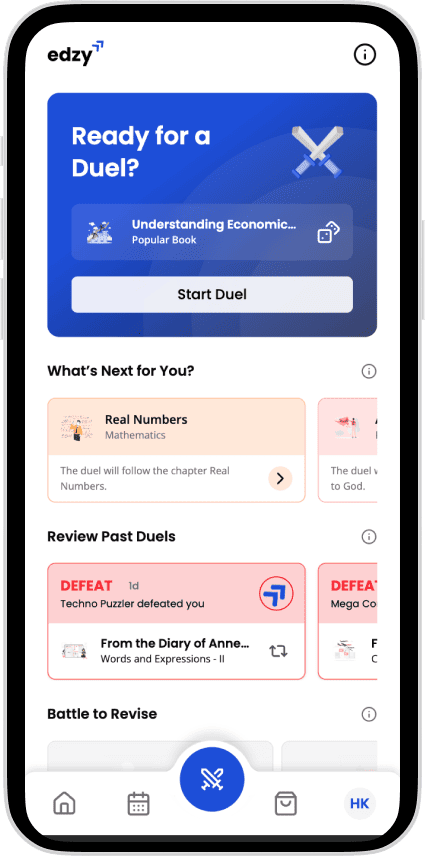
Join your classmates, challenge them in duels, and grow smarter together!

Edzy mobile app