

Brand Logo
Login
Search
Brand Logo

Edzy for Classes 6-12

Edzy is a personal AI tutor for CBSE and State Board students, with curriculum-aligned guidance, practice, revision, and study plans that adapt to each learner.

  • Email: always@edzy.ai
  • Phone: +91 96256 68472
  • WhatsApp: +91 96256 68472
  • Address: Sector 63, Gurgaon, Haryana

Follow Edzy

Browse by Class

  • CBSE Class 6
  • CBSE Class 7
  • CBSE Class 8
  • CBSE Class 9
  • CBSE Class 10
  • CBSE Class 11
  • CBSE Class 12
Explore the CBSE resource hub

Explore Edzy

  • Study Resources
  • Free Study Tools
  • Best Apps for Board Exams
  • Edzy vs ChatGPT
  • About Us
  • Why We Built Edzy
  • Blog
  • CBSE AI Tutor

Support & Legal

  • Help & FAQs
  • Accessibility
  • Privacy Policy
  • Terms & Conditions
  • Refund Policy
  • Cookie Policy
  • Site Directory

© 2026 Edzy. All rights reserved.

Curriculum-aligned learning paths for students in Classes 6-12.

CBSE
Class 6
Science
Curiosity
A Journey through States of Water

Question Bank

Practice Hub

Question Bank: A Journey through States of Water

Structured practice
Question Practice

Practice chapter questions in a cleaner, exam-ready flow

Start with curated question sets, move into full module views when needed, and keep discovering related practice without losing your place in the chapter.

Question Bank - A Journey through States of Water

View all (103)
Q1.

What is the process called when water changes from liquid to vapor?

Single Answer MCQ
Q-00148345
View explanation
Q2.

Which factor is most likely to increase the rate of water evaporation in puddles?

Single Answer MCQ
Q-00148346
View explanation
Q3.

When washing dishes, what happens to the water left on the surface over time?

Single Answer MCQ
Q-00148347
View explanation
Q4.

If a puddle is larger and deeper, which statement is most likely true?

Single Answer MCQ
Q-00148348
View explanation
Q5.

What might be a reason for the disappearance of water in puddles during a sunny day?

Single Answer MCQ
Q-00148349
View explanation
Q6.

What experiment could help Aavi and Thirav decide if water seeps through utensils?

Single Answer MCQ
Q-00148350
View explanation
Q7.

In which scenario would you observe a faster evaporation process?

Single Answer MCQ
Q-00148351
View explanation
Q8.

How does temperature usually affect the rate of evaporation?

Single Answer MCQ
Q-00148352
View explanation
Q9.

What happens to the temperature of water as it evaporates?

Single Answer MCQ
Q-00148353
View explanation
Q10.

If Aavi believes water seeps into the soil, what evidence could support this claim?

Single Answer MCQ
Q-00148354
View explanation
Q11.

When water from a puddle disappears, which of the following is NOT a possible reason?

Single Answer MCQ
Q-00148355
View explanation
Q12.

What could be a practical activity to investigate evaporating water?

Single Answer MCQ
Q-00148356
View explanation
Q13.

What is the impact of soil type on water absorption?

Single Answer MCQ
Q-00148357
View explanation
Q14.

Why might a person observe less water in a puddle after a hot day?

Single Answer MCQ
Q-00148358
View explanation
Q15.

What observation do Aavi and Thirav make when they add ice cubes to cold water in a glass?

Single Answer MCQ
Q-00148374
View explanation
Q16.

Why do droplets form on the outer surface of the glass tumbler?

Single Answer MCQ
Q-00148375
View explanation
Q17.

What happens to the water droplets on the glass if left undisturbed for longer?

Single Answer MCQ
Q-00148376
View explanation
Q18.

Which factor affects the formation of droplets on the glass the most?

Single Answer MCQ
Q-00148377
View explanation
Q19.

If the same experiment is conducted with a metal container, what will likely happen?

Single Answer MCQ
Q-00148378
View explanation
Q20.

When the droplets on the glass merge and fall, what scientific principle does this demonstrate?

Single Answer MCQ
Q-00148379
View explanation
Q21.

Which of the following best explains why condensation occurs?

Single Answer MCQ
Q-00148380
View explanation
Q22.

What might happen if the ice cubes were removed after a few minutes?

Single Answer MCQ
Q-00148381
View explanation
Q23.

How does condensation contribute to the water cycle?

Single Answer MCQ
Q-00148382
View explanation
Q24.

What role does temperature play in the state of water observed on the glass?

Single Answer MCQ
Q-00148383
View explanation
Q25.

If Aavi were to observe the glass in a humid environment, what would she notice?

Single Answer MCQ
Q-00148384
View explanation
Q26.

What condition must be met for condensation to occur on the glass tumbler?

Single Answer MCQ
Q-00148385
View explanation
Q27.

What is the effect of increasing the number of ice cubes in the glass on the experiment?

Single Answer MCQ
Q-00148386
View explanation
Q28.

During the experiment, why might someone feel moisture on the outside of the glass?

Single Answer MCQ
Q-00148387
View explanation
Q29.

What principle explains why water droplets merge together on the glass?

Single Answer MCQ
Q-00148388
View explanation
Q30.

What happens to ice when it is heated?

Single Answer MCQ
Q-00148389
View explanation
Q31.

Which process converts water into ice?

Single Answer MCQ
Q-00148390
View explanation
Q32.

To change steam back into water, what should you do?

Single Answer MCQ
Q-00148391
View explanation
Q33.

What process describes the change of liquid water into vapor?

Single Answer MCQ
Q-00148392
View explanation
Q34.

When water freezes, what happens to its molecules?

Single Answer MCQ
Q-00148393
View explanation
Q35.

Why is it necessary to heat water to convert it to vapor?

Single Answer MCQ
Q-00148394
View explanation
Q36.

Which of the following best explains melting?

Single Answer MCQ
Q-00148395
View explanation
Q37.

What is the effect of placing a bowl of water in a freezer?

Single Answer MCQ
Q-00148396
View explanation
Q38.

Which state change involves the release of heat?

Single Answer MCQ
Q-00148397
View explanation
Q39.

How can we turn liquid wax back into a solid?

Single Answer MCQ
Q-00148398
View explanation
Q40.

What do we call the process of changing water vapor to liquid?

Single Answer MCQ
Q-00148399
View explanation
Q41.

During which process do water molecules become more ordered?

Single Answer MCQ
Q-00148400
View explanation
Q42.

What happens when ice is removed from the freezer?

Single Answer MCQ
Q-00148401
View explanation
Q43.

What can be said about the melting point of ice?

Single Answer MCQ
Q-00148402
View explanation
Q44.

Why is evaporation a cooling process?

Single Answer MCQ
Q-00148403
View explanation
Q45.

When does a substance undergo sublimation?

Single Answer MCQ
Q-00148404
View explanation
Q46.

What factors can increase the rate of evaporation of water?

Single Answer MCQ
Q-00148405
View explanation
Q47.

Which of the following conditions would cause water to evaporate the slowest?

Single Answer MCQ
Q-00148406
View explanation
Q48.

How does using a fan affect the evaporation rate of water?

Single Answer MCQ
Q-00148407
View explanation
Q49.

Why does water evaporate faster from a plate than from a bottle cap?

Single Answer MCQ
Q-00148408
View explanation
Q50.

On a hot day, what happens to the evaporation rate of water?

Single Answer MCQ
Q-00148409
View explanation
Q51.

Which scenario would cause water to evaporate the fastest?

Single Answer MCQ
Q-00148410
View explanation
Q52.

If you hang wet clothes outside on a windy day, how does wind aid in evaporation?

Single Answer MCQ
Q-00148411
View explanation
Q53.

Why does water evaporate more slowly in high humidity?

Single Answer MCQ
Q-00148412
View explanation
Q54.

What is the primary reason for sweating to cool the body?

Single Answer MCQ
Q-00148413
View explanation
Q55.

What is the solid state of water commonly known as?

Single Answer MCQ
Q-00148414
View explanation
Q56.

During a hot summer day, if a pool has a fan directed at it, what effect will it have?

Single Answer MCQ
Q-00148415
View explanation
Q57.

Which process describes the transformation of ice to water?

Single Answer MCQ
Q-00148416
View explanation
Q58.

What might happen to water evaporation rates if the temperature suddenly drops?

Single Answer MCQ
Q-00148417
View explanation
Q59.

At what temperature does water typically freeze?

Single Answer MCQ
Q-00148418
View explanation
Q60.

If you pour hot water into a shallow pan, it will evaporate faster than in a deep pot. Why?

Single Answer MCQ
Q-00148419
View explanation
Q61.

What state of water is produced when water is heated to boiling point?

Single Answer MCQ
Q-00148420
View explanation
Q62.

What is the relationship between evaporation and atmospheric pressure?

Single Answer MCQ
Q-00148421
View explanation
Q63.

Which of the following describes the behavior of liquid water?

Single Answer MCQ
Q-00148422
View explanation
Q64.

What can be inferred about water evaporation in a vacuum?

Single Answer MCQ
Q-00148423
View explanation
Q65.

What do we call the change of water vapor back to liquid water?

Single Answer MCQ
Q-00148424
View explanation
Q66.

When water is poured, it spreads out. This is because water is a:

Single Answer MCQ
Q-00148425
View explanation
Q67.

In which scenario would you observe sublimation?

Single Answer MCQ
Q-00148426
View explanation
Q68.

Which of these statements about water vapor is incorrect?

Single Answer MCQ
Q-00148427
View explanation
Q69.

Why does ice float on water?

Single Answer MCQ
Q-00148428
View explanation
Q70.

What would happen to water if its temperature drops below 0°C?

Single Answer MCQ
Q-00148429
View explanation
Q71.

What is the main characteristic of water in the gaseous state?

Single Answer MCQ
Q-00148430
View explanation
Q72.

Which state of water does not conform to the shape of its container?

Single Answer MCQ
Q-00148431
View explanation
Q73.

Which process transitions water from solid directly to gas without becoming a liquid?

Single Answer MCQ
Q-00148432
View explanation
Q74.

How does water vapor behave in the atmosphere?

Single Answer MCQ
Q-00148433
View explanation
Q75.

What causes the cooling effect in an earthen pot?

Single Answer MCQ
Q-00148434
View explanation
Q76.

Why doesn’t water in a stainless steel pot cool down like it does in an earthen pot?

Single Answer MCQ
Q-00148435
View explanation
Q77.

What is an example of a cooling effect observed during summer?

Single Answer MCQ
Q-00148436
View explanation
Q78.

How does evaporation lead to cooling in an environment?

Single Answer MCQ
Q-00148437
View explanation
Q79.

What role does air temperature play in the cooling effect from evaporation?

Single Answer MCQ
Q-00148438
View explanation
Q80.

What happens to water vapor as it rises in the atmosphere?

Single Answer MCQ
Q-00148439
View explanation
Q81.

Which of the following is NOT a reason for cooling water in an earthen pot?

Single Answer MCQ
Q-00148440
View explanation
Q82.

Why does spraying water on surfaces during summer provide a cooling effect?

Single Answer MCQ
Q-00148441
View explanation
Q83.

What happens to water droplets when they gather in clouds?

Single Answer MCQ
Q-00148442
View explanation
Q84.

How do evaporative cooling mechanisms like those in earthen pots help in hot weather?

Single Answer MCQ
Q-00148443
View explanation
Q85.

What is a common misconception about cooling effects in general?

Single Answer MCQ
Q-00148444
View explanation
Q86.

In what way does evaporation contribute to weather patterns?

Single Answer MCQ
Q-00148445
View explanation
Q87.

What is the primary physical process through which water cools in an earthen pot?

Single Answer MCQ
Q-00148446
View explanation
Q88.

What determines the rate of evaporation and thus the cooling effect?

Single Answer MCQ
Q-00148447
View explanation
Q89.

What process causes water vapor to turn into droplets?

Single Answer MCQ
Q-00148478
View explanation
Q90.

Why do clouds form at high altitudes?

Single Answer MCQ
Q-00148479
View explanation
Q91.

What happens to water droplets in a cloud as they combine?

Single Answer MCQ
Q-00148480
View explanation
Q92.

Which part of the water cycle directly leads to rain?
Single Answer MCQ
Q-00148481
View explanation
Q93.

What role do dust particles play in cloud formation?

Single Answer MCQ
Q-00148482
View explanation
Q94.

When do clouds typically release rain?

Single Answer MCQ
Q-00148483
View explanation
Q95.

What is the significance of the water cycle for life on Earth?

Single Answer MCQ
Q-00148484
View explanation
Q96.

Which condition is NOT needed for cloud formation?

Single Answer MCQ
Q-00148485
View explanation
Q97.

What usually happens to rainwater after it hits the ground?

Single Answer MCQ
Q-00148486
View explanation
Q98.

How does temperature affect the water vapor's ability to condense?

Single Answer MCQ
Q-00148487
View explanation
Q99.

How does an increase in human population affect water usage?

Single Answer MCQ
Q-00148488
View explanation
Q100.

Why might some regions face water shortages despite the water cycle?

Single Answer MCQ
Q-00148489
View explanation
Q101.

What is the primary source of water vapor for cloud formation?

Single Answer MCQ
Q-00148490
View explanation
Q102.

How do clouds contribute to the weather?

Single Answer MCQ
Q-00148491
View explanation
Q103.

What should we do to avoid water wastage according to the chapter?

Single Answer MCQ
Q-00148492
View explanation
Learn Better On The App
Competitive revision

Challenge Your Friends

Compete in short duels with fast rounds, instant feedback, and zero boredom.

1v1 challenges
Fast recall training

Faster access to practice, revision, and daily study flow.

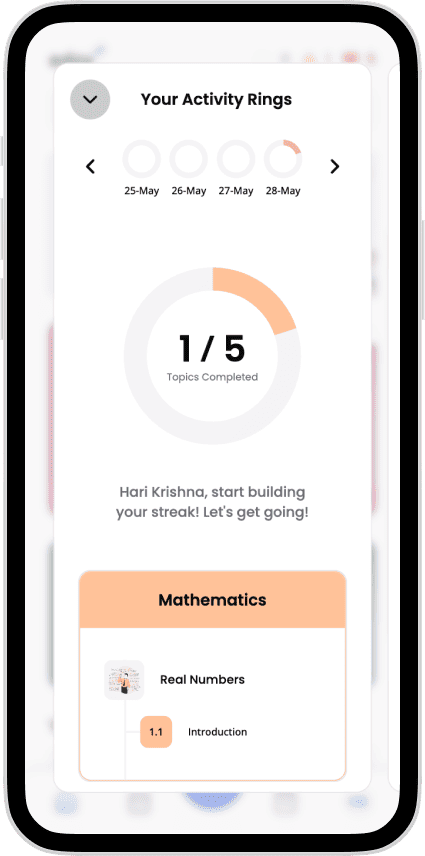
Edzy mobile app preview