
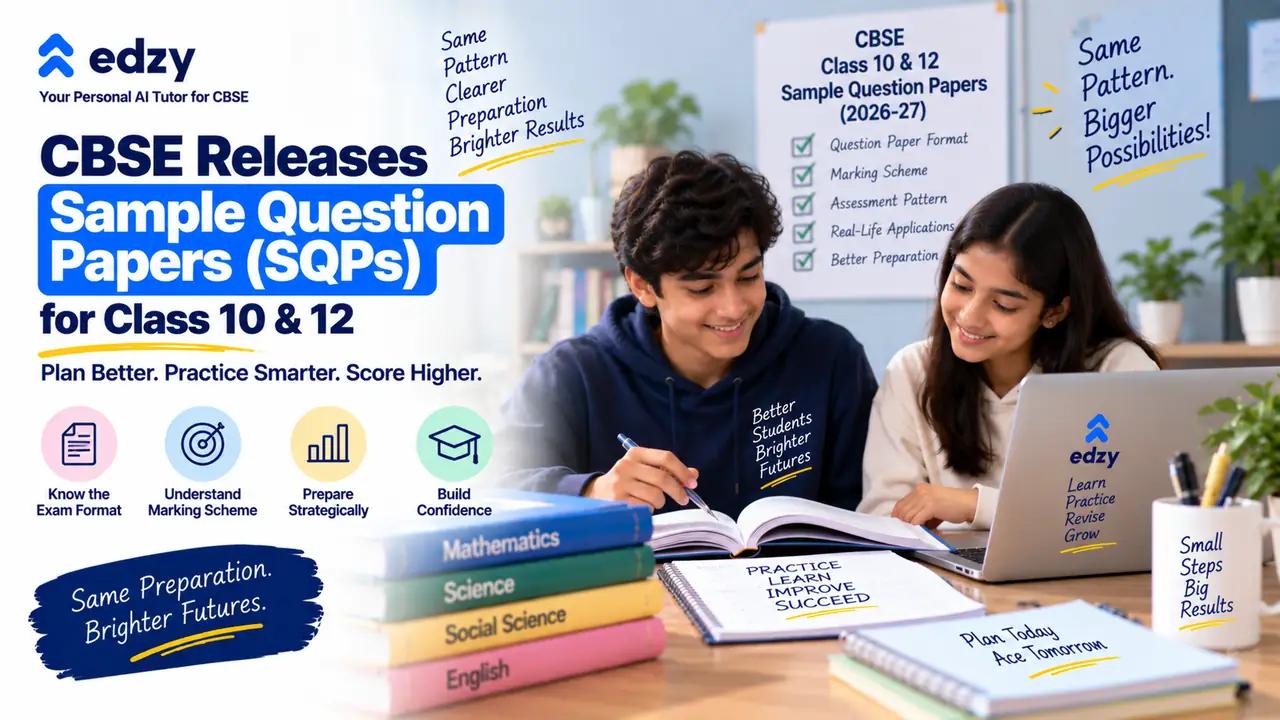
CBSE Releases Sample Question Papers for Classes X & XII for 2026-27
New sample papers aim to standardize assessment and enhance learning outcomes.
CBSE has issued Sample Question Papers for Classes X and XII for the academic session 2026-27. These papers serve as a guide for teachers and students, ensuring uniformity in assessment. Learn how these resources can aid in exam preparation and classroom learning.
Listen to this article
CBSE Releases Sample Question Papers for Classes X & XII for 2026-27
Understanding the Importance of Sample Question Papers
The Central Board of Secondary Education (CBSE) has officially released Sample Question Papers (SQPs) for Classes X and XII for the academic session 2026-27. This initiative is crucial as it provides a structured template that helps educators and students align their teaching and learning strategies with the expected curriculum standards. The SQPs are designed to give students a clear understanding of the question paper format and assessment criteria, which is essential for effective exam preparation. Readers can compare this update with cbse launches e waste awareness campaign and for related CBSE context.
By utilizing these sample papers, teachers can create lesson plans that focus on the application of concepts in real-life scenarios. This approach not only enhances students' comprehension but also prepares them for the types of questions they will encounter in their board examinations. For instance, the SQPs for Class X can be accessed here, while those for Class XII are available here. Readers can compare this update with cbse talkathon on nasha mukt yuva for for related CBSE context.
Key Features of the Sample Question Papers
The Sample Question Papers released by CBSE maintain the same question paper design and assessment pattern as the previous academic year, 2025-26. This consistency is vital for students who are familiar with the format and expectations of their examinations. The passing criteria remain unchanged, which means students can focus on mastering the content rather than adjusting to new formats or evaluation methods. Readers can compare this update with prior intimation of submission of list of for related CBSE context.
Moreover, the SQPs include marking schemes that provide insights into how answers will be evaluated. This transparency helps students understand the weightage of different sections and types of questions, enabling them to allocate their study time effectively. For example, a student preparing for the Class 10 Board Exam can benefit from understanding which topics carry more marks and require more in-depth study. Readers can compare this update with cbse skill expo and guidance festival 2026 for related CBSE context.
As part of the CBSE's commitment to enhancing educational standards, these sample papers also encourage critical thinking and problem-solving skills among students. The emphasis on real-life applications of concepts prepares students not just for exams but for future academic and professional challenges. Readers can compare this update with cbse organizes one day teacher training for for related CBSE context.
How to Use Sample Question Papers Effectively
To maximize the benefits of the Sample Question Papers, students should integrate them into their regular study routines. One effective method is to simulate exam conditions by timing themselves while answering the questions. This practice can help alleviate anxiety and improve time management skills during actual examinations.
Additionally, students should review the marking schemes provided with the SQPs to understand the expectations for high-scoring answers. This review process allows students to identify areas where they may need further clarification or study. Teachers can also use these papers as a basis for classroom discussions, fostering a collaborative learning environment.
For further insights into the educational initiatives by CBSE, students and educators can refer to the recent E-Waste Awareness Campaign and its impact on school environments.
Feedback and Queries Regarding Sample Question Papers
CBSE encourages feedback from schools and educators regarding the Sample Question Papers. Any queries or suggestions can be directed to the official email address: cbsesqp@cbseshiksha.in. This open line of communication is essential for continuous improvement and ensures that the resources provided meet the needs of students and teachers alike.
Moreover, schools are urged to disseminate this information to all stakeholders, including students and parents, to ensure everyone is informed about the resources available for exam preparation. It is crucial that students utilize these papers effectively to enhance their learning outcomes and performance in board examinations.
For more updates on CBSE's initiatives, including the Talkathon on Nasha Mukt Yuva, stay connected with the official CBSE channels.
What the Sample Question Papers Mean for Students in 2026-27
How will the Sample Question Papers impact students preparing for the 2026-27 academic year? The Sample Question Papers serve as a vital resource for students, providing a clear framework for exam preparation. They help standardize the learning process and ensure that students are well-equipped to tackle their board exams. By familiarizing themselves with the question formats and assessment criteria, students can enhance their confidence and performance.
In conclusion, the release of Sample Question Papers by CBSE for Classes X and XII is a significant step towards improving educational standards and ensuring that students are adequately prepared for their examinations. These resources not only facilitate better teaching practices but also empower students to take charge of their learning journey.
For Class 10 and Class 12 students, engaging with these sample papers is an essential part of their preparation strategy. The focus on real-life applications and critical thinking will serve them well, not just in exams but in their future academic pursuits as well.
Related News
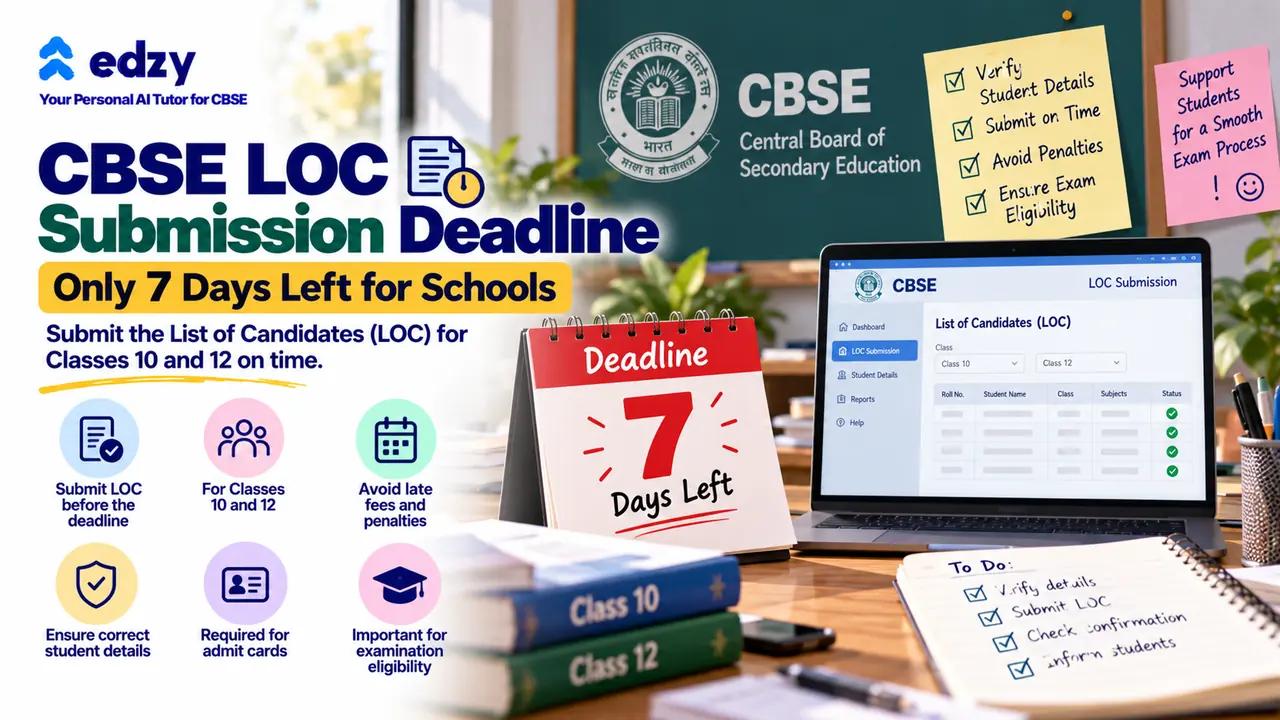
CBSE LOC Submission Deadline Approaches: Only 7 Days Left

CBSE Science Challenge 2026-27: A Platform for Scientific Inquiry

Fit India Freedom Run 2026: A Nationwide Campaign for Health and Fitness
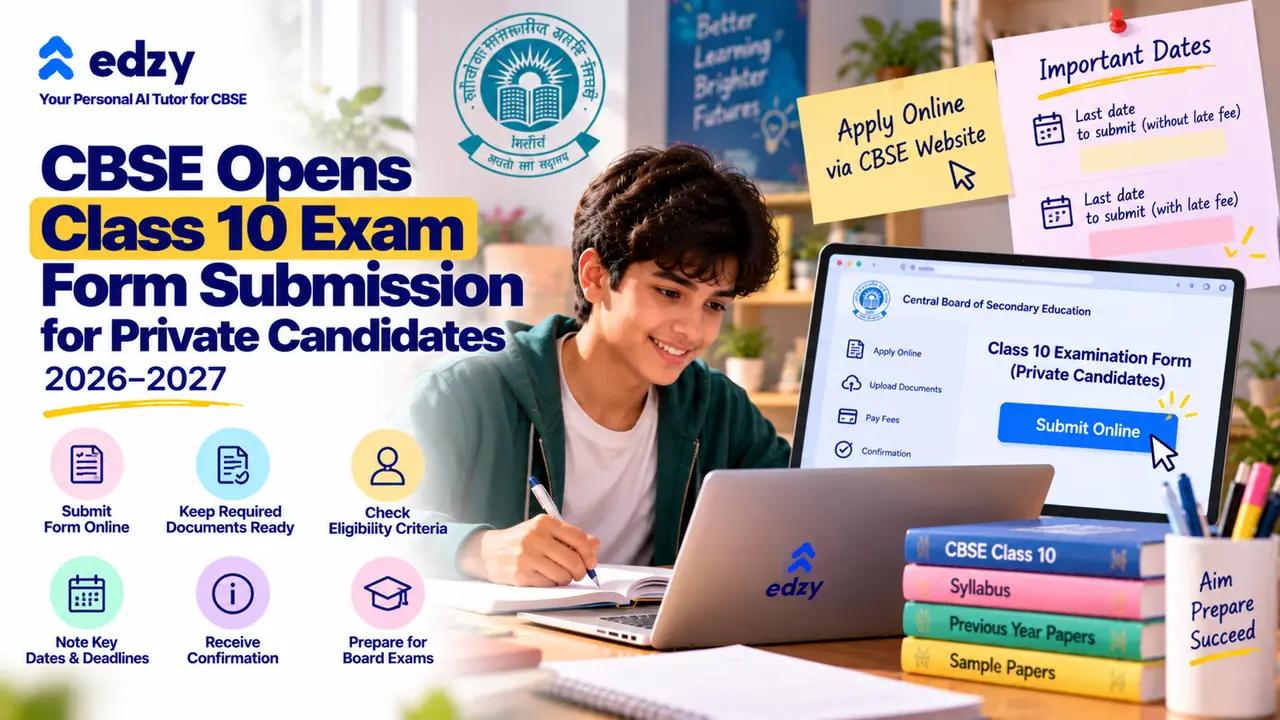
CBSE Class 10 Board Exam 2026-2027: Submission of Examination Forms for Private Candidates