
Guidelines for Conducting Practical Examinations for Supplementary Exams 2026
CBSE outlines essential protocols for practical examinations in the upcoming supplementary exams.
The CBSE has released guidelines for conducting practical examinations for the Supplementary Examination 2026. This document provides crucial information for educators and students regarding the assessment process. Read on to learn about the specific protocols and requirements for practical exams in various subjects.
Listen to this article
Guidelines for Conducting Practical Examinations for Supplementary Exams 2026
Understanding the Guidelines for Practical Examinations
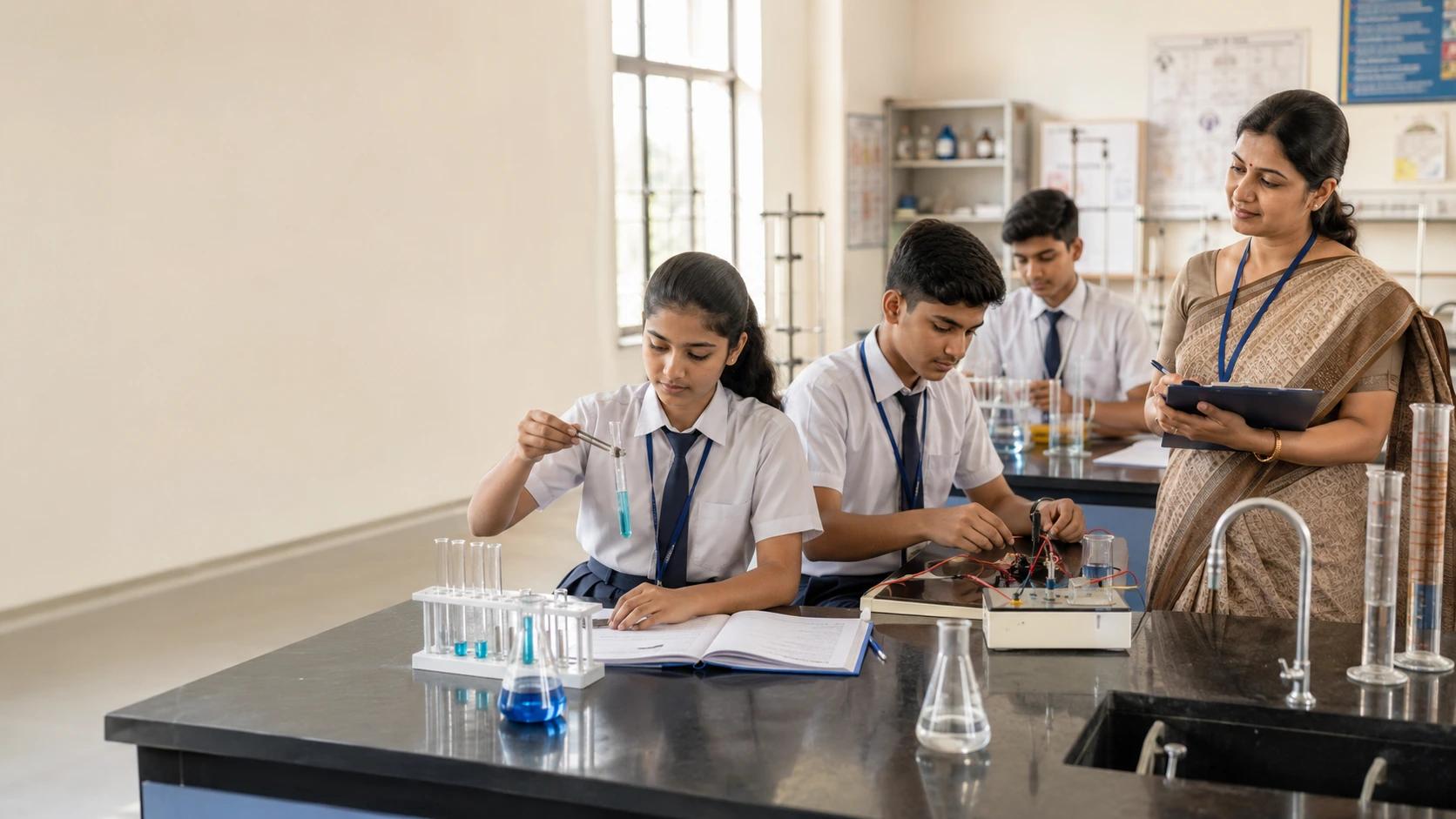
The Central Board of Secondary Education (CBSE) has issued comprehensive guidelines for conducting practical examinations in the context of the Supplementary Examination 2026. These guidelines are crucial for ensuring that the practical assessments are conducted fairly and systematically across all schools affiliated with CBSE. The practical examinations are an integral part of the evaluation process, particularly for subjects like Science, Mathematics, and Computer Science, where hands-on experience is essential for student learning.
For students in Classes 10 and 12, practical examinations form a significant portion of their overall assessment. The guidelines specify the procedures that schools must follow to maintain uniformity and integrity during these assessments. This includes the preparation of practical question papers, the allocation of marks, and the evaluation criteria that teachers must adhere to. By following these guidelines, schools can ensure that students are assessed accurately and fairly, reflecting their true capabilities in practical applications.
Key Components of the Practical Examination Guidelines
According to the official CBSE notification, the guidelines encompass several key components that schools must implement. Firstly, schools are required to prepare a detailed schedule for conducting practical examinations, which aligns with the overall timetable for the Supplementary Examination 2026. This schedule should be communicated to students well in advance to allow them to prepare adequately.
Additionally, the guidelines emphasize the importance of using standardized marking schemes for practical assessments. Teachers are instructed to provide clear rubrics that outline how marks will be allocated for different components of the practical exam. This transparency helps students understand the expectations and criteria for success. Furthermore, the guidelines mandate that schools maintain proper records of the practical examinations, including attendance sheets and mark sheets, to ensure accountability and traceability.
What are the key requirements for conducting practical examinations in the Supplementary Examination 2026?
The key requirements for conducting practical examinations in the Supplementary Examination 2026 include adherence to a standardized schedule, the use of clear marking schemes, and proper record-keeping. Schools must prepare a detailed timetable for practical assessments, ensuring that students are informed in advance. Additionally, teachers are required to utilize standardized rubrics to allocate marks fairly, and maintain accurate records of attendance and performance. These measures are designed to uphold the integrity and fairness of the assessment process.
Implementation of Safety Protocols During Practical Exams
In light of recent health concerns, the CBSE guidelines also address the implementation of safety protocols during practical examinations. Schools must ensure that all necessary safety measures are in place to protect both students and teachers during these assessments. This includes providing personal protective equipment (PPE) where necessary, maintaining social distancing, and ensuring that laboratories and practical areas are sanitized regularly.
Moreover, schools are encouraged to conduct practical examinations in smaller groups to minimize crowding and enhance safety. By implementing these protocols, CBSE aims to create a safe environment for students to demonstrate their practical skills without compromising their health. This approach not only prioritizes student safety but also reinforces the importance of responsible conduct during educational assessments.
Impact of the Guidelines on Students and Educators
The release of these guidelines by CBSE is expected to have a significant impact on both students and educators. For students, the clarity provided by the guidelines will help them prepare more effectively for their practical examinations. Understanding the assessment criteria and expectations allows students to focus their efforts on areas that will be evaluated, thereby enhancing their performance.
For educators, these guidelines serve as a framework for conducting assessments in a structured manner. Teachers will benefit from the standardized marking schemes and record-keeping requirements, which can streamline the evaluation process. This uniformity not only aids in maintaining fairness across different schools but also supports teachers in delivering consistent and objective assessments. Ultimately, the guidelines aim to foster an environment of trust and transparency in the examination process.
What This Means for Students Preparing for the Supplementary Exams
As students gear up for the Supplementary Examination 2026, understanding the guidelines for practical examinations is crucial. These guidelines not only outline the expectations for students but also provide a roadmap for educators to follow during the assessment process. Students are encouraged to familiarize themselves with the practical components of their subjects, particularly in Science and Mathematics, where practical skills are essential.
In conclusion, the CBSE's guidelines for conducting practical examinations in the Supplementary Examination 2026 represent a significant step towards ensuring a fair and effective assessment process. By adhering to these guidelines, schools can provide a structured environment that supports student learning and evaluation. For students, this is an opportunity to showcase their practical skills and knowledge effectively, paving the way for their academic success in the upcoming examinations.
Related News
Prior Intimation of Submission of List of Candidates for Class X/XII Examination 2026-27

CBSE Skill Expo and Guidance Festival 2026-27: Venue Details Announced
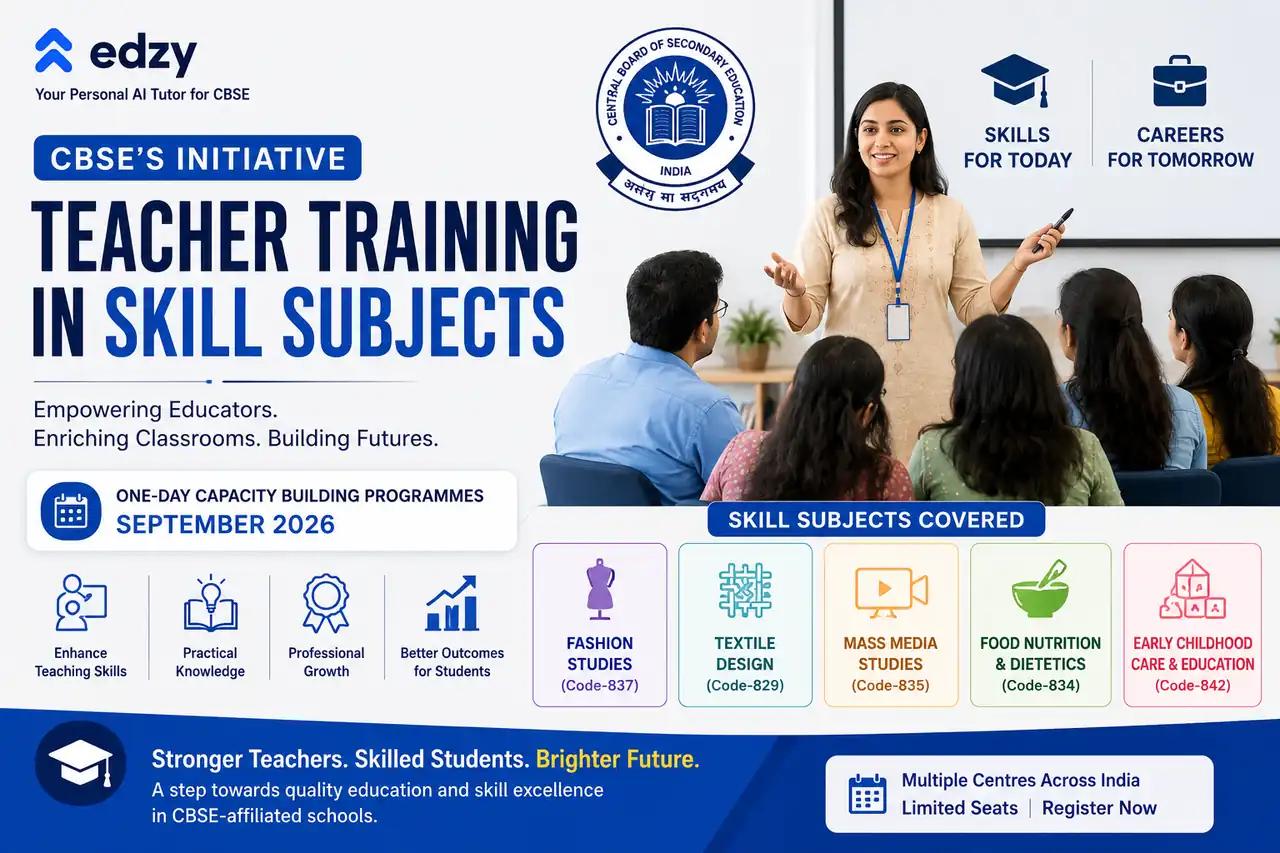
CBSE Organizes One-Day Teacher Training for Skill Subjects in September 2026
KVS/NVS Recruitment Drive 2025: Tier-II Results Declared