
CBSE Science Practical Exams: The Complete Student Guide
Master your CBSE Science practical exams with confidence and skill.
This comprehensive guide covers everything students need to know about CBSE Science practical exams, from preparation to performance tips.
Listen to this article
CBSE Science Practical Exams: The Complete Student Guide
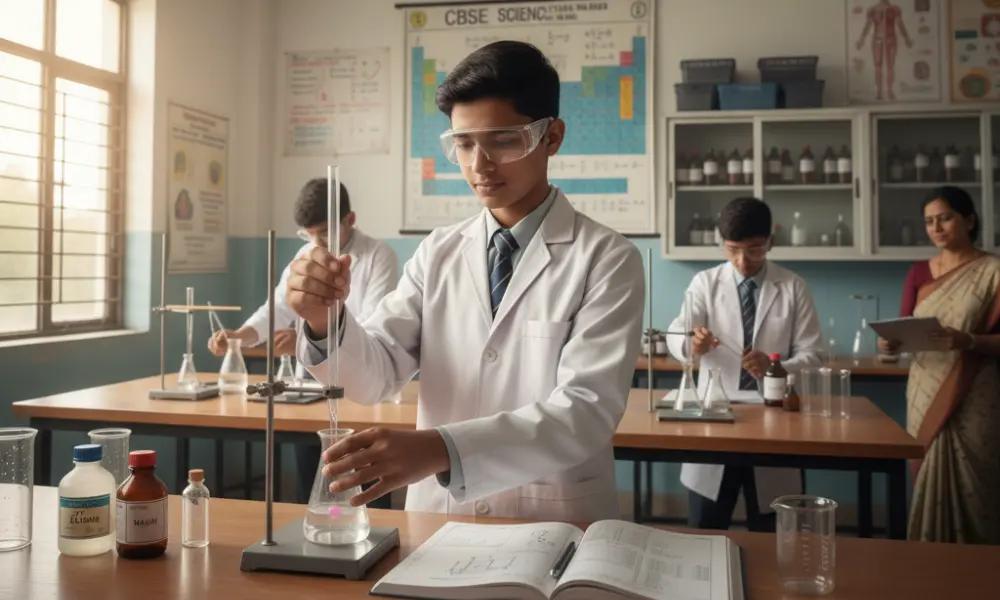
Practical exams are a significant component of the CBSE curriculum, especially in Science subjects. They not only contribute to your final marks but also enhance your understanding of theoretical concepts through hands-on experience. This guide aims to equip students and parents with the necessary tools and knowledge to excel in CBSE Science practical exams.
Importance of Internal and Practical Marks
In the CBSE system, internal assessments and practical marks play a crucial role in a student’s overall performance. These marks can significantly influence your final grade, making it essential to take them seriously. Practical exams are designed to test your understanding of scientific concepts and your ability to apply them in real-world scenarios.
For instance, in subjects like Physics and Chemistry, practical exams account for a substantial portion of the total marks. This means that students who excel in practicals can boost their overall scores, which is particularly beneficial for those aiming for higher education in science-related fields.
Breakdown of Viva, Journal, and Performance Scoring
Understanding how practical exams are scored is vital for effective preparation. The evaluation typically consists of three main components: viva, journal, and performance.
Viva
The viva voce is an oral examination where students are asked questions related to the experiments they performed. This component tests your understanding of the concepts and your ability to articulate them clearly. Questions may range from basic definitions to complex applications of the experiments conducted.
Journal
The practical journal is a record of all the experiments you have conducted throughout the academic year. It should be well-organized, clearly written, and include all necessary details such as objectives, materials used, procedures followed, observations, and conclusions. A well-maintained journal can significantly enhance your score.
Performance
Performance during the practical exam is assessed based on your ability to conduct the experiment accurately and safely. This includes setting up the apparatus correctly, following the procedure, and obtaining valid results. Demonstrating good laboratory practices can positively influence your performance score.
How to Write Lab Records Properly
Writing lab records is an essential skill for students. A well-documented lab record not only helps you during the viva but also serves as a valuable reference for future studies. Here are some tips on how to write lab records effectively:
Title: Clearly state the title of the experiment at the top of the page.
Date: Include the date when the experiment was conducted.
Aim: Write a concise aim of the experiment, explaining what you intend to achieve.
Materials: List all the materials and equipment used in the experiment.
Procedure: Describe the step-by-step procedure followed during the experiment. Be precise and clear.
Observations: Record all observations made during the experiment, including any calculations or measurements.
Conclusion: Summarize the findings of the experiment and relate them to the theoretical concepts.
Maintaining consistency in your lab records is crucial. Use neat handwriting, and ensure that your entries are free from errors. If possible, include diagrams or graphs to enhance understanding.
Safety and Handling Tips During Experiments
Safety should always be a priority in the laboratory. Here are some essential safety tips to keep in mind:
Wear Protective Gear: Always wear safety goggles, gloves, and lab coats to protect yourself from spills and accidents.
Know the Equipment: Familiarize yourself with the laboratory equipment and their proper usage before starting any experiment.
Handle Chemicals with Care: Read labels carefully and follow instructions for handling chemicals. Be aware of their properties and hazards.
Maintain Cleanliness: Keep your workspace clean and organized. Clean up spills immediately and dispose of waste properly.
Follow Instructions: Always follow the teacher’s instructions and safety guidelines during experiments.
By adhering to safety protocols, you can ensure a safe and productive laboratory experience.
Common Viva Questions and Answers
Preparing for the viva is just as important as performing well in the practical exam. Here are some common questions you might encounter, along with suggested answers:
What is the aim of the experiment?
The aim of the experiment is to investigate [insert aim here].
What are the key observations you made?
The key observations include [insert observations here].
Can you explain the scientific principle behind this experiment?
The scientific principle is based on [insert principle here].
What were the challenges you faced during the experiment?
I faced challenges such as [insert challenges here], but I overcame them by [insert solutions here].
Practicing these questions with a peer or family member can help build your confidence.
Checklist Before the Exam Day
As the exam day approaches, it’s essential to have a checklist to ensure you are fully prepared. Here’s a handy checklist to follow:
Review all experiments conducted throughout the year.
Ensure your lab journal is complete and well-organized.
Practice common viva questions and answers.
Gather all necessary materials and tools for the exam.
Get a good night’s sleep before the exam day.
Having a checklist can help reduce anxiety and ensure you don’t forget any crucial steps.
Teacher Evaluation Insights
Understanding how teachers evaluate students can provide valuable insights into what to focus on during preparation. Teachers typically look for the following:
Understanding of Concepts: Demonstrating a clear understanding of the scientific concepts behind the experiments.
Practical Skills: Showing proficiency in handling equipment and conducting experiments safely.
Presentation of Work: Maintaining a neat and organized lab journal and presenting findings clearly.
Engagement: Actively participating in the viva and showing enthusiasm for the subject.
Engaging with your teacher and asking questions can also leave a positive impression.
Final Tips to Ace the Practicals
To wrap up, here are some final tips to help you ace your practical exams:
Stay calm and composed during the exam.
Read the experiment instructions carefully before starting.
Double-check your setup before conducting the experiment.
Be prepared to explain your observations and conclusions clearly.
Practice makes perfect; the more you practice, the more confident you will become.
With the right preparation and mindset, you can excel in your CBSE Science practical exams. Remember, practical exams are not just about scoring marks; they are an opportunity to deepen your understanding of science and develop essential skills for your future studies.
Suggested blogs

How to Avoid Panic When You Don’t Know an Answer in the Exam
Mastering calmness to tackle exam challenges effectively.

How to Manage Time During a 3-Hour Exam
Mastering time management for a successful exam experience.

How to Check Your Answers Properly in Exams
Mastering the art of answer checking to secure every mark in CBSE exams.

How to Improve Your Speed in Solving Questions Before Exams
Mastering speed in question-solving is crucial for CBSE students aiming for high marks.