
Understanding the NCERT Grade 9 Syllabus for Languages
A Comprehensive Guide to the New Curriculum
Explore the NCERT Grade 9 syllabus for languages, designed to enhance students' linguistic skills and comprehension. This article delves into the syllabus structure, key components, and implications for students and educators.
Listen to this article
Understanding the NCERT Grade 9 Syllabus for Languages
Introduction to the NCERT Grade 9 Syllabus
The National Council of Educational Research and Training (NCERT) plays a pivotal role in shaping the educational landscape of India. For students entering Grade 9, the syllabus for languages is particularly crucial as it lays the foundation for advanced learning in subsequent grades. This article aims to provide a detailed overview of the NCERT Grade 9 syllabus for languages, focusing on its structure, key components, and the implications for students and educators.
Overview of the NCERT Grade 9 Language Curriculum
The Grade 9 language syllabus is designed to enhance students' proficiency in various languages, including Hindi, English, and regional languages. The curriculum emphasizes not only linguistic skills but also critical thinking, comprehension, and communication abilities. The syllabus is divided into various sections, each targeting different aspects of language learning.
Key Components of the Syllabus
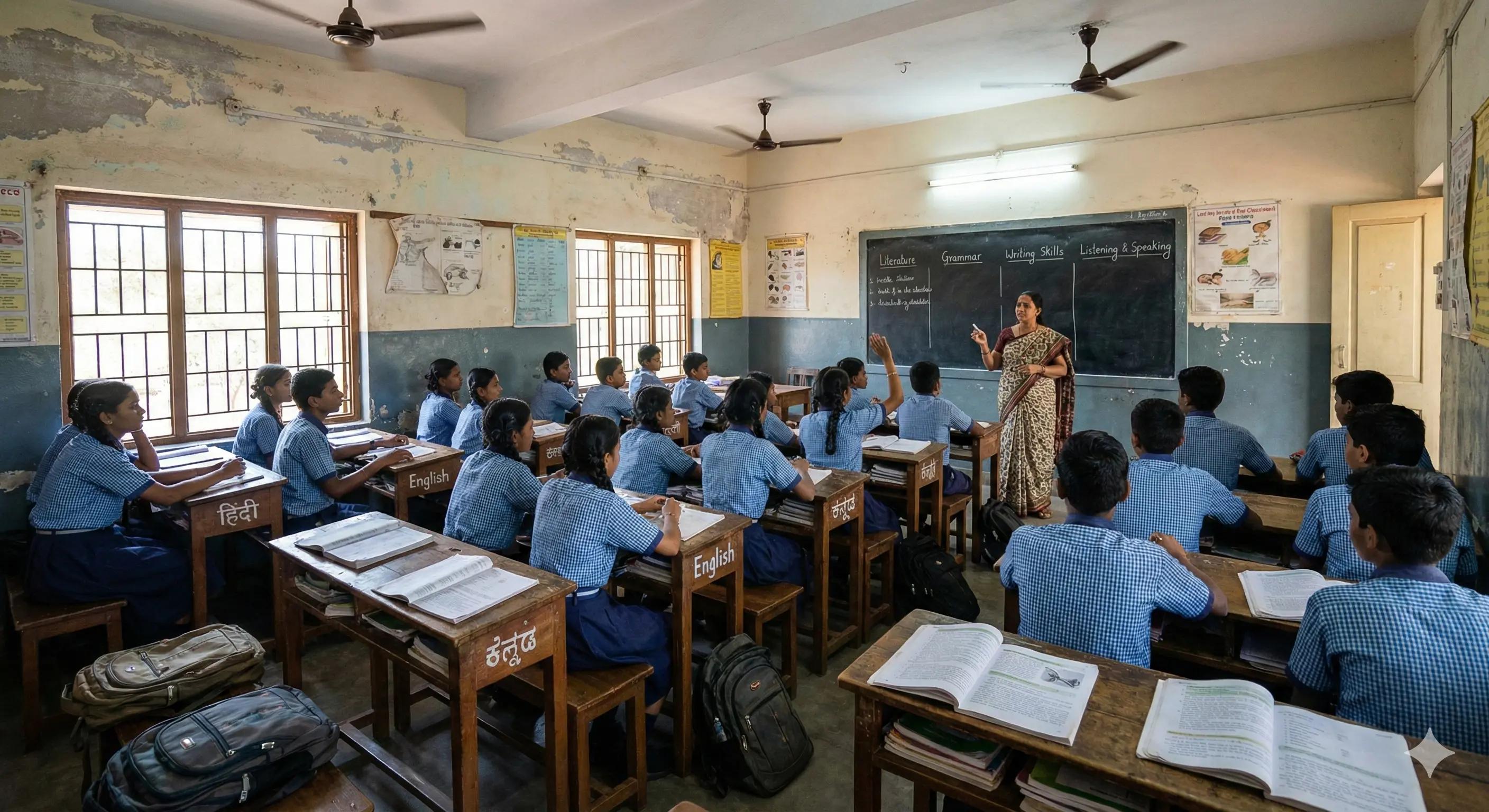
Literature: The syllabus includes a selection of prose and poetry that reflects diverse themes and cultural contexts. This section aims to foster an appreciation for literature and enhance reading comprehension.
Grammar: A strong emphasis is placed on grammar, including parts of speech, sentence structure, and punctuation. Mastery of grammar is essential for effective communication.
Writing Skills: Students are encouraged to develop their writing skills through various formats, including essays, letters, and creative writing. This component is crucial for expressing thoughts clearly and coherently.
Listening and Speaking: The syllabus promotes interactive learning through listening and speaking activities. This helps students improve their verbal communication skills and confidence.
Project Work: Incorporating project work allows students to explore language use in real-world contexts, fostering creativity and critical thinking.
Detailed Breakdown of Language Subjects
The NCERT syllabus for languages in Grade 9 is structured to provide a balanced approach to learning. Below is a detailed breakdown of the subjects included in the curriculum:
1. Hindi
The Hindi syllabus includes a variety of literary texts, poems, and essays that expose students to different writing styles and cultural narratives. Key areas of focus include:
Prose and Poetry: Selections from renowned authors and poets that encourage critical analysis and interpretation.
Grammar: In-depth study of Hindi grammar, including verb conjugations and sentence formation.
Writing Tasks: Assignments that require students to write essays, letters, and summaries.
2. English
The English syllabus aims to develop comprehensive language skills through engaging texts and activities. Key components include:
Literary Texts: A mix of fiction and non-fiction that broadens students' perspectives and enhances critical thinking.
Grammar and Composition: Focus on grammar rules, vocabulary enhancement, and various writing styles.
Listening and Speaking: Activities designed to improve pronunciation, fluency, and interactive communication.
3. Regional Languages
For students opting for regional languages, the syllabus is tailored to include local literature and cultural elements. This section emphasizes:
Local Literature: Exposure to regional authors and poets, fostering a sense of cultural identity.
Grammar: Fundamental grammar rules and language structure.
Practical Application: Encouragement of speaking and writing in the regional language through projects and presentations.
Implications for Students and Educators
The implementation of the NCERT Grade 9 syllabus for languages carries significant implications for both students and educators. Understanding these implications can help in effective teaching and learning.
For Students
Enhanced Communication Skills: The focus on listening, speaking, reading, and writing equips students with essential communication skills that are vital in academic and professional settings.
Critical Thinking Development: Exposure to diverse texts encourages students to think critically and analyze different viewpoints.
Cultural Awareness: The inclusion of literature from various cultures fosters an appreciation for diversity and enhances cultural understanding.
For Educators
Curriculum Adaptation: Educators must adapt their teaching strategies to align with the syllabus, incorporating interactive and student-centered approaches.
Assessment Techniques: The need for varied assessment methods to evaluate students' understanding and skills effectively.
Professional Development: Continuous professional development is essential for educators to stay updated with the latest teaching methodologies and curriculum changes.
Related News

Extension of Last Date for PRAYAAS 2026-27 Applications Announced

Guidelines for Preservation and Weeding Out of Examination Records

Pension Disbursement Commences through E-Samarth Module for CBSE Employees

Order Regarding Sh. Amitabh Kumar and Sh. Bhoopender Singh at NCERT