
Ethical Use of AI Tools During CBSE Class 10 Exam Preparation
Navigating AI responsibly for effective exam preparation
Explore how AI can enhance learning during CBSE Class 10 exam preparation while emphasizing the importance of ethical use and self-reliance.


Gaurav Parashar
@gauravparashar
Listen to this article
Ethical Use of AI Tools During CBSE Class 10 Exam Preparation
As the CBSE Class 10 exams approach, students often find themselves in a race against time, striving to cover vast syllabi and prepare effectively. In this digital age, the use of Artificial Intelligence (AI) tools has surged, offering students innovative ways to enhance their learning experience. However, with great power comes great responsibility. This blog aims to shed light on the ethical use of AI tools during exam preparation, ensuring that students harness these technologies to support their learning without compromising their integrity.
Why AI Use Increases During Exam Season
The pressure of impending exams often leads students to seek out resources that can help them study more efficiently. AI tools, such as Edzy, provide personalized learning experiences, adaptive quizzes, and instant feedback, making them appealing during this critical time. The allure of AI lies in its ability to analyze a student's strengths and weaknesses, tailoring study materials accordingly. For instance, a student struggling with mathematics can receive targeted practice problems that focus on their weak areas, thereby optimizing their study time.
Moreover, the convenience of AI tools allows students to study at their own pace and on their own schedule. This flexibility is particularly beneficial for Class 10 students who may be balancing schoolwork, extracurricular activities, and family responsibilities. However, this increased reliance on AI also raises concerns about the potential for misuse. As students turn to these tools for assistance, it is crucial to understand the fine line between using AI as a learning aid and relying on it as a shortcut.
Difference Between Learning Support and Shortcuts
AI can serve as a powerful learning support system, but it is essential to differentiate between genuine assistance and shortcuts that undermine the learning process. Learning support involves using AI to clarify concepts, practice skills, and receive constructive feedback. For example, a student might use an AI tool to generate practice questions on a specific topic, allowing them to reinforce their understanding and identify areas that need further review.
On the other hand, shortcuts involve using AI to bypass the learning process altogether. This could manifest as students asking AI to generate entire essays or solve complex problems without attempting to understand the underlying concepts. Such practices not only hinder a student's academic growth but also lead to a lack of preparedness for exams. It is vital for students to engage with the material actively, using AI as a supplement rather than a substitute for their efforts.
Using AI for Practice, Feedback, and Clarity
One of the most effective ways to utilize AI tools is for practice and feedback. For instance, platforms like Edzy offer interactive quizzes that adapt to a student's performance, providing immediate feedback on their answers. This instant response helps students identify their mistakes and learn from them in real-time, reinforcing their understanding of the subject matter.
Additionally, AI can help clarify complex concepts that students may struggle with. For example, if a student is having difficulty grasping the concept of chemical reactions in science, they can use an AI tool to access simplified explanations, visual aids, and even simulations that illustrate the process. This kind of targeted support can significantly enhance a student's comprehension and retention of information.
Moreover, students can use AI to explore different learning styles. Some may benefit from visual aids, while others might prefer interactive exercises. AI tools can cater to these diverse preferences, allowing students to engage with the material in a way that resonates with them. This personalized approach not only makes learning more enjoyable but also fosters a deeper understanding of the subject matter.
Avoiding Plagiarism and Dependency
As students navigate the world of AI tools, it is crucial to be aware of the risks of plagiarism and dependency. Plagiarism occurs when students present someone else's work as their own, which can lead to severe academic consequences. When using AI to generate content, students must ensure that they are not simply copying and pasting information without proper understanding or attribution.
To avoid plagiarism, students should use AI-generated content as a starting point for their own ideas rather than a final product. For example, if an AI tool provides an outline for an essay, students should take that outline and expand upon it with their own insights, research, and analysis. This approach not only helps them develop their writing skills but also ensures that their work remains original.
Dependency on AI tools can also hinder a student's ability to think critically and solve problems independently. While AI can provide valuable support, it is essential for students to engage with the material actively and develop their skills. Setting boundaries on AI usage, such as limiting its use to specific tasks or timeframes, can help students maintain a healthy balance between leveraging technology and fostering their own capabilities.
Role of Teachers and Parents in Guidance
Teachers and parents play a vital role in guiding students on the ethical use of AI tools. Educators can incorporate discussions about responsible AI usage into their curriculum, helping students understand the potential benefits and pitfalls of these technologies. For instance, teachers can encourage students to share their experiences with AI tools, fostering a collaborative learning environment where students can learn from one another.
Parents, on the other hand, can monitor their children's use of AI tools and engage in conversations about their study habits. By discussing the importance of integrity and self-reliance, parents can help instill values that promote ethical learning. Encouraging students to set goals for their study sessions and reflect on their progress can also foster a sense of accountability and motivation.
Building Honesty and Self-Reliance
Building honesty and self-reliance is crucial for students as they prepare for their exams. Students should be encouraged to take ownership of their learning journey, recognizing that the effort they put in will directly impact their success. This mindset fosters resilience and perseverance, qualities that are essential not only for academic achievement but also for personal growth.
One effective strategy for promoting self-reliance is to encourage students to set specific, achievable goals for their study sessions. For example, a student might aim to complete a certain number of practice problems or review a specific chapter each day. By breaking down their study materials into manageable tasks, students can build confidence in their abilities and develop a sense of accomplishment as they progress.
Additionally, students should be reminded that mistakes are a natural part of the learning process. Emphasizing the importance of learning from errors can help students develop a growth mindset, where they view challenges as opportunities for improvement rather than obstacles. This perspective not only enhances their academic performance but also prepares them for future endeavors.
Long-Term Impact of Ethical Learning
The long-term impact of ethical learning extends far beyond the classroom. Students who engage in responsible AI usage develop critical thinking skills, problem-solving abilities, and a strong sense of integrity. These qualities are invaluable in today's rapidly changing world, where adaptability and ethical decision-making are essential for success.
Moreover, students who prioritize ethical learning are more likely to become lifelong learners. By cultivating a genuine interest in knowledge and a commitment to personal growth, they set themselves up for continued success in their academic and professional pursuits. This mindset not only benefits individual students but also contributes to a more informed and responsible society as a whole.
Setting Healthy Boundaries with AI
As students integrate AI tools into their study routines, it is essential to establish healthy boundaries. This involves recognizing when to seek assistance from AI and when to rely on their own skills and knowledge. Setting specific times for using AI tools, such as during practice sessions or for clarification of concepts, can help students maintain focus and prevent over-reliance.
Additionally, students should be encouraged to balance their use of AI with traditional study methods, such as reading textbooks, taking notes, and engaging in group discussions. This holistic approach to learning ensures that students develop a well-rounded understanding of the material while still benefiting from the advantages that AI tools offer.
In conclusion, the ethical use of AI tools during CBSE Class 10 exam preparation can significantly enhance a student's learning experience. By understanding the difference between learning support and shortcuts, utilizing AI for practice and feedback, and fostering a culture of honesty and self-reliance, students can navigate their studies responsibly. With the guidance of teachers and parents, students can harness the power of AI while maintaining their integrity and commitment to learning.
Suggested blogs
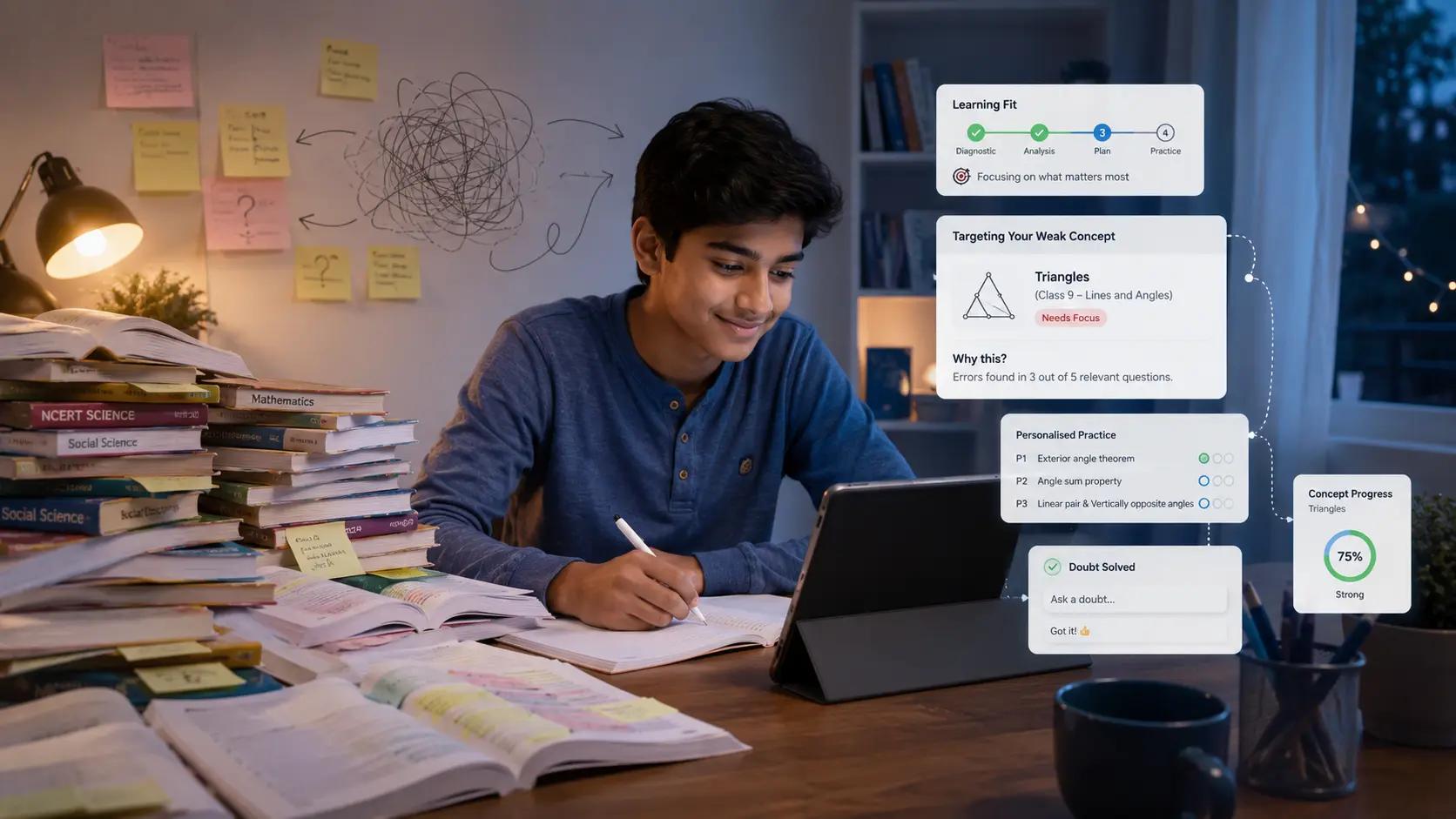
What Personalised Learning Actually Means for a CBSE Student (And Why It's Not What Most People Think)
Most students hear "personalised learning" and think pace. The real advantage is precision here's what that looks like for CBSE preparation.

How to Actually Use AI for CBSE Board Exam Preparation (Without Wasting Time on It)
Most students use AI the wrong way during revision. Here's the method that actually builds retention before board exams.
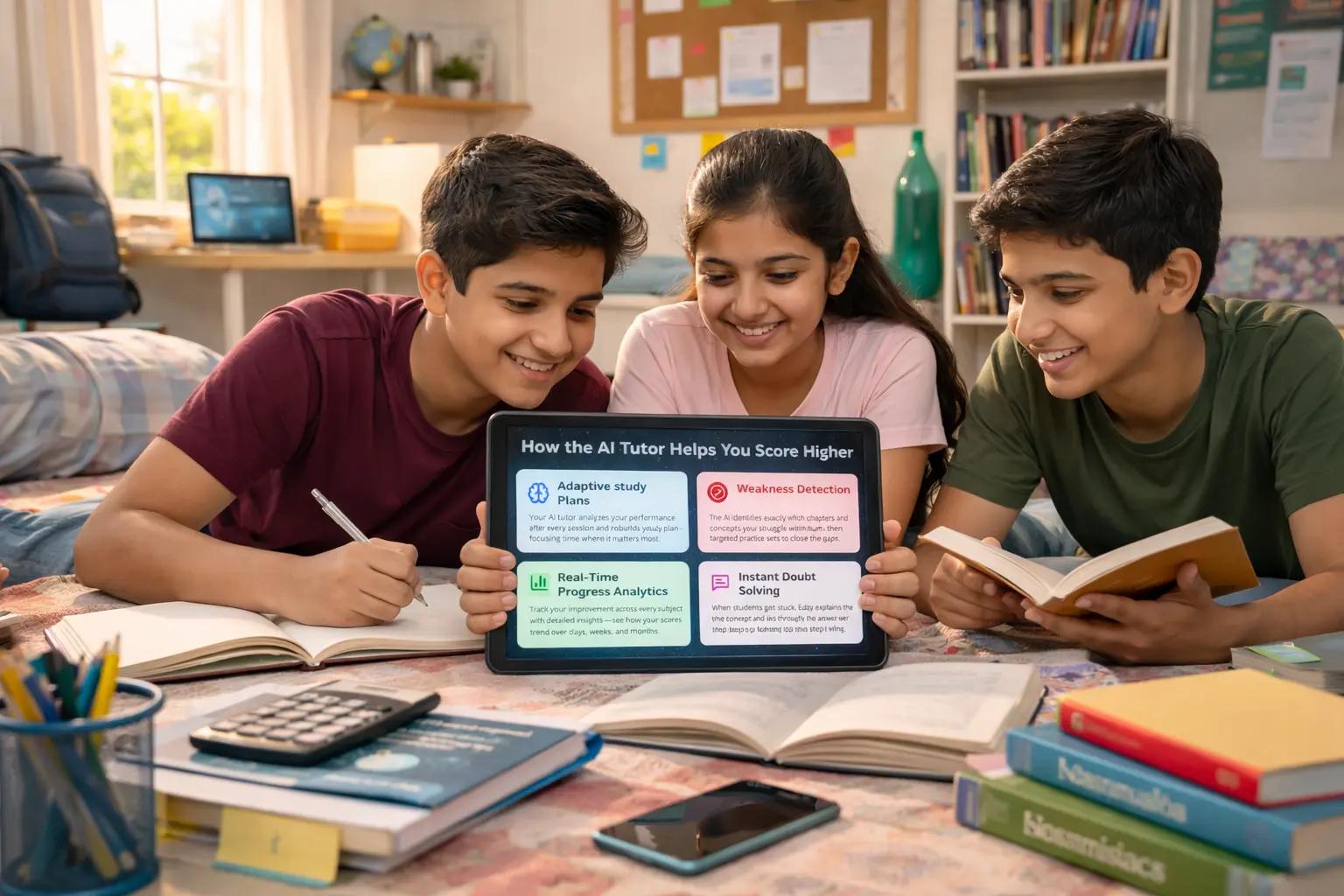
How AI-Based Practice Helps CBSE Class 10 Students Transition to Class 11
Navigating the academic leap from Class 10 to Class 11 with AI support

How AI Can Help CBSE Class 10 Students Revise Smarter During Holidays
Discover how AI tools can make holiday study effective yet enjoyable for CBSE Class 10 students.