
What CBSE Class 10 Students Should Do in the Break After Boards
Maximize your break after board exams for growth and relaxation
This blog provides insights on how CBSE Class 10 students can effectively utilize their break after board exams, focusing on rest, reflection, and personal growth.


Gaurav Parashar
@gauravparashar
Listen to this article
What CBSE Class 10 Students Should Do in the Break After Boards
The post-board break is a significant time for CBSE Class 10 students. After the intense preparation and anxiety leading up to the board exams, students often find themselves at a crossroads. This break is not just a pause from academics; it is an opportunity for rejuvenation, reflection, and personal growth. In this blog, we will explore how students can make the most of this valuable time without succumbing to stress or pressure.
Why the post-board break matters
The post-board break is crucial for several reasons. Firstly, it allows students to decompress after months of rigorous study. The board exams can be overwhelming, and taking time off helps in mental recovery. Secondly, this period can be used for self-discovery. Students can explore their interests and strengths, which is essential for making informed decisions about their future academic paths.
Moreover, the break provides a chance to step back from the academic grind and gain perspective. Students can evaluate what they enjoyed in their studies and what they might want to pursue further. This reflection can lead to more informed choices regarding subjects in higher classes or even career paths.
Resting without guilt
One of the most common challenges students face during breaks is the feeling of guilt associated with resting. Many students feel they should be studying or preparing for the next academic year. However, it is essential to understand that rest is a vital component of productivity. Just as athletes need recovery time to perform better, students also need breaks to recharge their mental and emotional batteries.
Engaging in leisure activities, spending time with family, or simply enjoying a hobby can be incredibly beneficial. For instance, if a student enjoys painting, dedicating time to create art can be a therapeutic way to unwind. This not only helps in relaxation but also fosters creativity, which is beneficial for academic performance in the long run.
Reflecting on strengths and interests
The break after board exams is an ideal time for students to reflect on their strengths and interests. This self-assessment can guide them in making decisions about their future studies. Students can ask themselves questions like: What subjects did I enjoy the most? Which topics fascinated me during my studies? What activities made me lose track of time?
For example, a student who excelled in science might consider pursuing a career in engineering or medicine. On the other hand, a student who enjoyed literature might explore options in humanities or social sciences. Engaging in discussions with parents or mentors can also provide clarity and direction during this reflective phase.
Exploring hobbies and skills
The post-board break is an excellent opportunity for students to explore hobbies and skills that they may not have had time for during the academic year. Whether it is learning a musical instrument, trying out a new sport, or diving into coding, this time can be used to develop new talents.
For instance, a student interested in music might take online classes to learn guitar or join a local band. This not only enhances their skills but also provides a sense of accomplishment and joy. Similarly, students can engage in community service or volunteer work, which can be incredibly fulfilling and help them develop a sense of responsibility.
Light academic brushing-up
While the primary focus of the break should be on relaxation and exploration, a little light academic brushing-up can also be beneficial. This does not mean diving into intense study sessions but rather engaging with subjects in a more relaxed manner. Students can read books related to their subjects, watch educational videos, or even participate in online quizzes.
For example, a student interested in mathematics might explore fun math puzzles or games that challenge their problem-solving skills without the pressure of exams. This approach keeps the mind engaged while ensuring that the student does not feel overwhelmed.
Avoiding pressure-driven decisions
As students approach the end of their break, they may feel pressure to make decisions about their future academic paths. It is essential to avoid making hasty choices based on external pressures from peers, parents, or societal expectations. Instead, students should take their time to explore various options and consider what truly aligns with their interests and strengths.
For instance, if a student is considering science but feels drawn to arts, it is crucial to weigh both options carefully. Engaging in discussions with teachers, counselors, or even attending workshops can provide valuable insights and help students make informed decisions.
Balancing fun and growth
Finding a balance between fun and personal growth during the break is vital. Students should engage in activities that bring them joy while also contributing to their development. This balance can be achieved by setting aside time for both leisure and skill-building.
For example, a student might spend the morning learning a new skill, such as photography, and then dedicate the afternoon to hanging out with friends or playing sports. This approach ensures that students enjoy their break while also investing in their personal growth.
Preparing for the next academic step
As the break comes to an end, students should start preparing for the next academic step. This preparation can include organizing study materials, setting academic goals, and creating a study schedule for the upcoming year. It is also a good time to explore potential subjects or streams they might want to pursue in higher classes.
For instance, students can research different subjects available in Class 11 and consider how they align with their career aspirations. Attending orientation sessions or open houses at schools can also provide valuable information about the available options.
In conclusion, the break after board exams is a precious time for CBSE Class 10 students. By resting without guilt, reflecting on their strengths, exploring hobbies, engaging in light academic activities, avoiding pressure-driven decisions, balancing fun and growth, and preparing for the next academic step, students can make the most of this period. This approach not only fosters personal development but also sets a positive tone for the upcoming academic year.
Suggested blogs

Choosing Science, Commerce, or Arts After CBSE Class 10: A Clear Guide
A comprehensive guide to help students and parents navigate stream selection after Class 10.
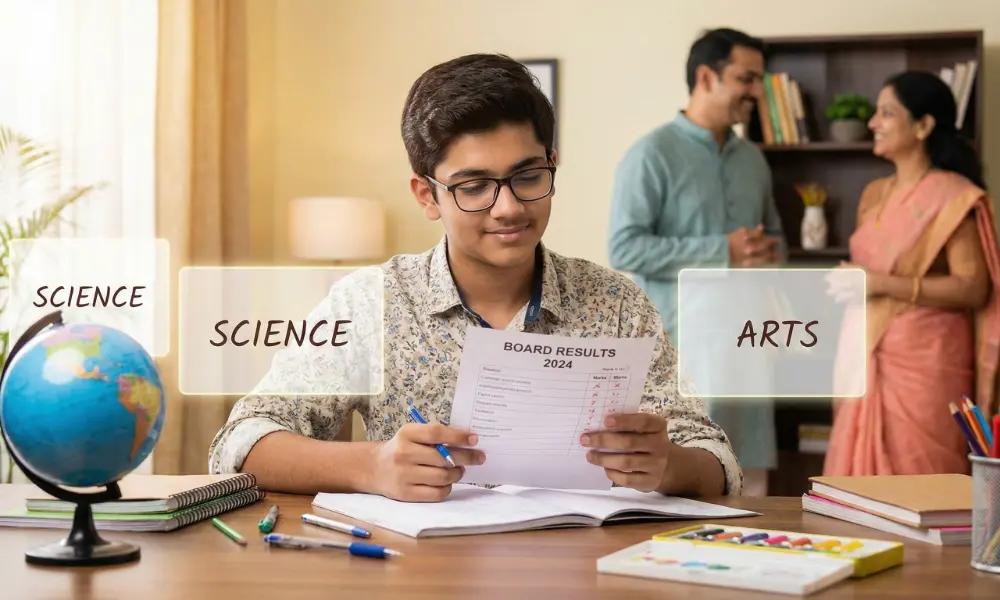
What Class 10 CBSE Students Should Know About Subject Choices After Boards
Navigating subject choices after Class 10 for a brighter future
How to Prepare for Olympiads and NTSE Alongside CBSE Exams
Mastering the balance between CBSE and competitive exams

The Ultimate Roadmap for Students Who Want to Study Abroad After CBSE
A comprehensive guide for CBSE students aspiring to study abroad.