

Brand Logo
Login
Search
Brand Logo

Edzy for Classes 6-12

Edzy is a personal AI tutor for CBSE and State Board students, with curriculum-aligned guidance, practice, revision, and study plans that adapt to each learner.

  • Email: always@edzy.ai
  • Phone: +91 96256 68472
  • WhatsApp: +91 96256 68472
  • Address: Sector 63, Gurgaon, Haryana

Follow Edzy

Browse by Class

  • CBSE Class 6
  • CBSE Class 7
  • CBSE Class 8
  • CBSE Class 9
  • CBSE Class 10
  • CBSE Class 11
  • CBSE Class 12
Explore the CBSE resource hub

Explore Edzy

  • Study Resources
  • Free Study Tools
  • Best Apps for Board Exams
  • Edzy vs ChatGPT
  • About Us
  • Why We Built Edzy
  • Blog
  • CBSE AI Tutor

Support & Legal

  • Help & FAQs
  • Accessibility
  • Privacy Policy
  • Terms & Conditions
  • Refund Policy
  • Cookie Policy
  • Site Directory

© 2026 Edzy. All rights reserved.

Curriculum-aligned learning paths for students in Classes 6-12.

CBSE
Class 7
Science
Curiosity
Life Processes in Plants

Question Bank

Practice Hub

Question Bank: Life Processes in Plants

Structured practice
Question Practice

Practice chapter questions in a cleaner, exam-ready flow

Start with curated question sets, move into full module views when needed, and keep discovering related practice without losing your place in the chapter.

Question Bank - Life Processes in Plants

View all (87)
Q1.

What do plants primarily need for photosynthesis?

Single Answer MCQ
Q-00128190
View explanation
Q2.

Which part of the plant is primarily responsible for water absorption?

Single Answer MCQ
Q-00128191
View explanation
Q3.

Why do plants display different heights?

Single Answer MCQ
Q-00128192
View explanation
Q4.

What effect does sunlight have on plant growth as observed in an experiment?

Single Answer MCQ
Q-00128193
View explanation
Q5.

What role does watering play in plant growth?

Single Answer MCQ
Q-00128194
View explanation
Q6.

Which process explains how plants convert sunlight into chemical energy?

Single Answer MCQ
Q-00128195
View explanation
Q7.

What happens to a plant when it does not receive enough water?

Single Answer MCQ
Q-00128196
View explanation
Q8.

When comparing plants in sunlight versus darkness, which is true?

Single Answer MCQ
Q-00128197
View explanation
Q9.

What is the function of chlorophyll in plants?

Single Answer MCQ
Q-00128198
View explanation
Q10.

During which season do most plants typically grow the most?

Single Answer MCQ
Q-00128199
View explanation
Q11.

What effect does nutrient-rich soil have on plant growth?

Single Answer MCQ
Q-00128200
View explanation
Q12.

What is germination?

Single Answer MCQ
Q-00128201
View explanation
Q13.

In an experiment using pots A, B, and C, which pot is expected to show the greatest plant growth?

Single Answer MCQ
Q-00128202
View explanation
Q14.

What is the role of the stem in a plant?

Single Answer MCQ
Q-00128203
View explanation
Q15.

What process do plants mainly use to prepare their own food?

Single Answer MCQ
Q-00128204
View explanation
Q16.

Which pigment is crucial for the photosynthesis process in plants?

Single Answer MCQ
Q-00128205
View explanation
Q17.

What do plants store their produced food in?

Single Answer MCQ
Q-00128206
View explanation
Q18.

During photosynthesis, which gas do plants take in from the atmosphere?

Single Answer MCQ
Q-00128207
View explanation
Q19.

Which of the following is NOT necessary for photosynthesis?

Single Answer MCQ
Q-00128208
View explanation
Q20.

What happens to a leaf that is treated with iodine after photosynthesis?

Single Answer MCQ
Q-00128209
View explanation
Q21.

In an experiment testing sunlight's effect on plant growth, what would likely happen if one plant was kept in the dark?

Single Answer MCQ
Q-00128210
View explanation
Q22.

What nutrient is most important for a plant's growth and is produced through photosynthesis?

Single Answer MCQ
Q-00128211
View explanation
Q23.

Why are leaves generally broad and flat?

Single Answer MCQ
Q-00128212
View explanation
Q24.

Which activity would clearly demonstrate that leaves make food using sunlight?

Single Answer MCQ
Q-00128213
View explanation
Q25.

Which of the following statements best describes the relationship between plants and animals regarding food?

Single Answer MCQ
Q-00128214
View explanation
Q26.

What experiment can show that chlorophyll is necessary for photosynthesis?

Single Answer MCQ
Q-00128215
View explanation
Q27.

What is the role of water in photosynthesis?

Single Answer MCQ
Q-00128216
View explanation
Q28.

What would happen if all chlorophyll was removed from a plant's leaf?

Single Answer MCQ
Q-00128217
View explanation
Q29.

What is the main function of leaves in plants?

Single Answer MCQ
Q-00128218
View explanation
Q30.

Which pigment is responsible for the green color of leaves?

Single Answer MCQ
Q-00128219
View explanation
Q31.

What process do plants primarily utilize to convert sunlight into food?

Single Answer MCQ
Q-00128220
View explanation
Q32.

Why do leaves often appear broad and flat?

Single Answer MCQ
Q-00128221
View explanation
Q33.

Which of the following indicates the presence of starch in a leaf?

Single Answer MCQ
Q-00128222
View explanation
Q34.

In addition to chlorophyll, which other factors are essential for photosynthesis?

Single Answer MCQ
Q-00128223
View explanation
Q35.

What will be the result of keeping a plant in complete darkness regarding its leaves?

Single Answer MCQ
Q-00128224
View explanation
Q36.

If a leaf has both green and non-green patches, which part is likely responsible for starch production?

Single Answer MCQ
Q-00128225
View explanation
Q37.

Which of the following statements best describes the role of water in photosynthesis?

Single Answer MCQ
Q-00128226
View explanation
Q38.

What role does carbon dioxide play in the preparation of food in plants?

Single Answer MCQ
Q-00128227
View explanation
Q39.

What happens when a leaf is decolorized before testing for starch?

Single Answer MCQ
Q-00128228
View explanation
Q40.

In an experiment, half of a destarched leaf is placed in a bottle with caustic soda while the other half is outside. What will likely happen to the half inside the bottle?

Single Answer MCQ
Q-00128229
View explanation
Q41.

A plant is exposed to sunlight but not watered. What impact does this have on its leaves?

Single Answer MCQ
Q-00128230
View explanation
Q42.

Why is chlorophyll essential for the survival of plants?

Single Answer MCQ
Q-00128231
View explanation
Q43.

Which part of the leaf is primarily responsible for the synthesis of starch?

Single Answer MCQ
Q-00128232
View explanation
Q44.

Which of the following is NOT a product of photosynthesis?

Single Answer MCQ
Q-00128233
View explanation
Q45.

What happens to the starch test result in the leaf portion that was exposed to sunlight outside the bottle?

Single Answer MCQ
Q-00128234
View explanation
Q46.

If a plant's leaves are covered with a black sheet, what will likely happen to its growth?

Single Answer MCQ
Q-00128235
View explanation
Q47.

Why is sunlight crucial in the process of photosynthesis?

Single Answer MCQ
Q-00128236
View explanation
Q48.

What did the experiment with the destarched leaf demonstrate regarding carbon dioxide?

Single Answer MCQ
Q-00128237
View explanation
Q49.

Which chemical was used in the experiment to absorb carbon dioxide?

Single Answer MCQ
Q-00128238
View explanation
Q50.

In the experiment, what happens to the leaf portion inside the bottle when carbon dioxide is absorbed?

Single Answer MCQ
Q-00128239
View explanation
Q51.

What is the primary product of photosynthesis that serves as food for plants?

Single Answer MCQ
Q-00128240
View explanation
Q52.

Why can plants be considered 'food factories'?

Single Answer MCQ
Q-00128241
View explanation
Q53.

What visible change indicates that photosynthesis occurred in the part of the leaf exposed to sunlight?

Single Answer MCQ
Q-00128242
View explanation
Q54.

What is the significance of chlorophyll in the process of photosynthesis?

Single Answer MCQ
Q-00128243
View explanation
Q55.

If a plant does not receive sufficient carbon dioxide, what would be the likely effect on its growth?

Single Answer MCQ
Q-00128244
View explanation
Q56.

During photosynthesis, which two products are primarily released by plants?

Single Answer MCQ
Q-00128245
View explanation
Q57.

What does the term 'destarched' refer to in the context of the leaf?

Single Answer MCQ
Q-00128246
View explanation
Q58.

What is the main function of xylem in plants?

Single Answer MCQ
Q-00128247
View explanation
Q59.

What role do stomata play in plants?

Single Answer MCQ
Q-00128248
View explanation
Q60.

Where do plants primarily absorb water and minerals from the soil?

Single Answer MCQ
Q-00128249
View explanation
Q61.

What happens in the xylem when a plant is placed in colored water?

Single Answer MCQ
Q-00128250
View explanation
Q62.

What is the process called by which water moves from the roots to the leaves?

Single Answer MCQ
Q-00128251
View explanation
Q63.

Which nutrient is primarily absorbed by plant roots from the soil?

Single Answer MCQ
Q-00128252
View explanation
Q64.

In addition to water, what else does the xylem transport?

Single Answer MCQ
Q-00128253
View explanation
Q65.

What term describes the movement of food from leaves to other parts of the plant?

Single Answer MCQ
Q-00128254
View explanation
Q66.

Which part of the plant is primarily responsible for photosynthesis?

Single Answer MCQ
Q-00128255
View explanation
Q67.

What factor can affect the rate of transpiration in plants?

Single Answer MCQ
Q-00128256
View explanation
Q68.

Which statement best describes phloem?

Single Answer MCQ
Q-00128257
View explanation
Q69.

What name is given to the openings on leaf surfaces that allow gas exchange?

Single Answer MCQ
Q-00128258
View explanation
Q70.

What is a primary advantage of transpiration for plants?

Single Answer MCQ
Q-00128259
View explanation
Q71.

How does the structure of a root aid its function in absorption?

Single Answer MCQ
Q-00128260
View explanation
Q72.

What gas do plants take in for respiration?

Single Answer MCQ
Q-00128261
View explanation
Q73.

Which plant process primarily relies on water transport through xylem?

Single Answer MCQ
Q-00128262
View explanation
Q74.

Where does respiration primarily occur in plants?

Single Answer MCQ
Q-00128263
View explanation
Q75.

What is the process by which plants convert glucose into energy?

Single Answer MCQ
Q-00128264
View explanation
Q76.

During which time do most plants prefer to respire more actively?

Single Answer MCQ
Q-00128265
View explanation
Q77.

What by-product is released during the process of respiration in plants?

Single Answer MCQ
Q-00128266
View explanation
Q78.

What can be observed in a plant when it runs out of oxygen for respiration?

Single Answer MCQ
Q-00128267
View explanation
Q79.

Which of the following processes do plants NOT perform?

Single Answer MCQ
Q-00128268
View explanation
Q80.

In which part of the plant does gas exchange primarily occur?

Single Answer MCQ
Q-00128269
View explanation
Q81.

Why are stomata crucial for plants?

Single Answer MCQ
Q-00128270
View explanation
Q82.

What is the primary reason plants use oxygen?

Single Answer MCQ
Q-00128271
View explanation
Q83.

How do plants adapt to low oxygen environments?

Single Answer MCQ
Q-00128272
View explanation
Q84.

Which type of respiration do plants perform during the day?

Single Answer MCQ
Q-00128273
View explanation
Q85.

What role does chlorophyll play in plant respiration?

Single Answer MCQ
Q-00128274
View explanation
Q86.

In the absence of stomata, what would happen to a plant's respiration?

Single Answer MCQ
Q-00128275
View explanation
Q87.

What would be the impact of increased carbon dioxide levels on plant respiration?

Single Answer MCQ
Q-00128276
View explanation
Learn Better On The App
Exam-ready preparation

PYQs Made Easy

Solve previous year CBSE questions in a way that feels organized and approachable.

Previous year papers
Clear practice flow

Faster access to practice, revision, and daily study flow.

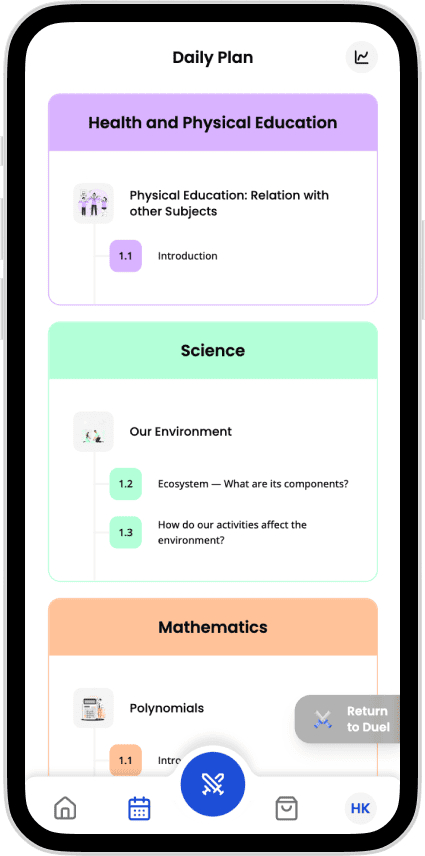
Edzy mobile app preview