
Guidelines for Implementation of Three-Language Scheme from 2026-27
New policy aims to enhance linguistic diversity in CBSE schools.
The Central Board of Secondary Education (CBSE) has released guidelines for the implementation of the Three-Language Scheme starting from the academic session 2026-27. This initiative, aligned with the National Education Policy 2020, emphasizes the importance of learning multiple languages, particularly native Indian languages. In this article, we will explore the specifics of the scheme, its implications for students, and the assessment processes involved.
Listen to this article
Guidelines for Implementation of Three-Language Scheme from 2026-27
Understanding the Three-Language Scheme in CBSE
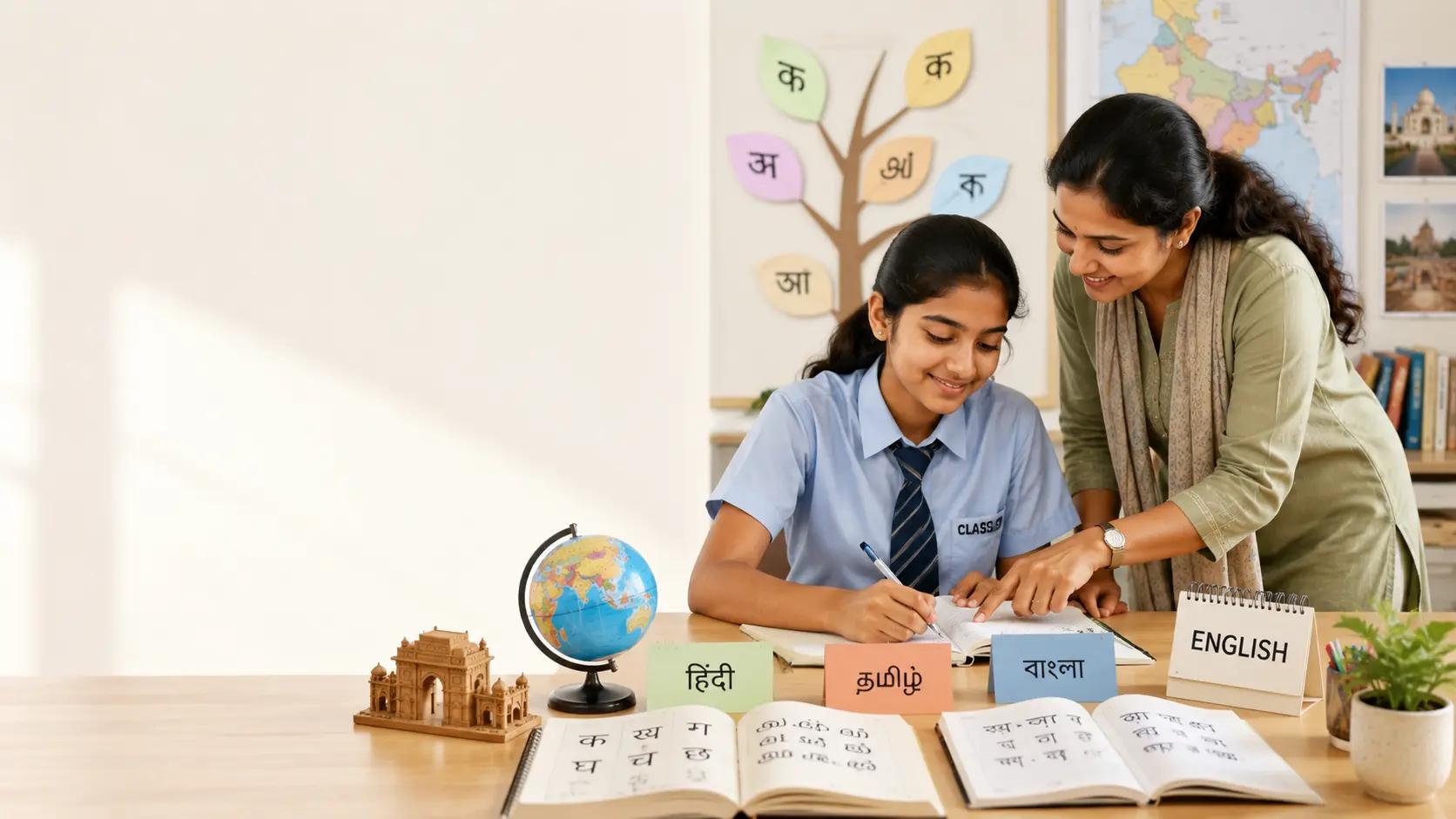
The Central Board of Secondary Education (CBSE) has officially announced the guidelines for the implementation of the Three-Language Scheme starting from the academic session 2026-27. This initiative is part of the National Education Policy (NEP) 2020, which advocates for the learning of three languages, with at least two being native to India. The objective of this policy is to foster linguistic diversity and cultural awareness among students, thereby enriching their educational experience.
Under this scheme, students in Class IX and X will be required to study three languages, which must include at least two Bhartiya Bhashas (native Indian languages). This approach aims to promote proficiency in multiple languages, enhancing students' communication skills and cultural understanding. The CBSE is committed to making language learning an engaging and meaningful process that contributes to the holistic development of every learner.
Implementation Guidelines for Class IX Students
For students entering Class IX in the academic year 2026-27, the guidelines stipulate that they must study three languages. At least two of these languages must be Bhartiya Bhashas, which can include languages such as Hindi, Tamil, Telugu, and Bengali, among others. The third language can be a non-native language, such as English or French, provided the other two are native languages.
To clarify the language selection process, the CBSE has outlined several scenarios. For instance, if a student is already studying two Bhartiya Bhashas, they can choose another Bhartiya Bhasha or a non-native language as their third language. Conversely, if a student is studying one Bhartiya Bhasha and one non-native language, they must select a Bhartiya Bhasha as their third language. This structured approach ensures that students are exposed to a variety of languages while maintaining a strong foundation in their native languages.
What are the assessment criteria for the third language under the Three-Language Scheme?
The third language (R3) will be assessed through an internal school-based assessment only. Students in Class IX will not be required to take a CBSE Board examination for the third language when they progress to Class X in the academic year 2027-28. However, they must pass the school-based assessment for R3 in Class X to receive their CBSE Secondary School Examination Pass Certificate.
Guidelines for Students in Classes VII and VIII
Students currently in Classes VII and VIII during the 2026-27 academic year will also be affected by the new language policy. When they reach Class IX and X, they will be required to study three languages, with two being Bhartiya Bhashas. This ensures a consistent approach to language learning across different class levels, promoting linguistic proficiency from an early age.
For students who have already selected and started studying two non-native languages, the guidelines provide a relaxation. These students will need to study one Bhartiya Bhasha and continue this combination until Class X. This flexibility is designed to accommodate the diverse linguistic backgrounds of students while still adhering to the overarching goals of the Three-Language Scheme.
Exemptions and Special Considerations
The CBSE has also outlined specific exemptions from the Three-Language Scheme. Children with Special Needs (CwSN) are granted relaxations from the compulsory third language requirement as per the Rights of Persons with Disabilities (RPwD) Act, 2016. Additionally, CBSE schools located outside India are fully exempt from requiring a native Indian language as the third language.
Furthermore, foreign students returning to India are also exempt from studying a native Indian language as their third language. This consideration reflects the CBSE's commitment to inclusivity and recognizes the diverse needs of its student population. In cases where parents or guardians migrate to another state, students may continue with their existing language combinations, ensuring continuity in their education.
What the Three-Language Scheme Means for Class 9 Students Enrolling in 2026
The introduction of the Three-Language Scheme marks a significant shift in the educational landscape for Class 9 students enrolling in the 2026-27 academic year. This policy not only emphasizes the importance of multilingualism but also aims to enhance students' cultural awareness and communication skills. By mandating the study of at least two Bhartiya Bhashas, the CBSE is fostering a deeper connection to India's linguistic heritage.
As students navigate their language choices, they will have access to a variety of learning resources provided by NCERT, which has already begun making R3 Language Learning Resources available on its website. Schools are encouraged to utilize these resources to support students in their language learning journey. The CBSE's focus on joyful and meaningful language learning, rather than rote memorization, is expected to create a more enriching educational experience for all students.
For Class 9 students enrolling under the new framework in 2026-27, the Three-Language Scheme represents the first cohort-level shift in how Indian school education measures linguistic competency. This initiative is poised to shape the future of language education in India, equipping students with the skills necessary to thrive in a multilingual society.
Related News

Prior Intimation of Submission of List of Candidates for Class X/XII Examination 2026-27

CBSE Skill Expo and Guidance Festival 2026-27: Venue Details Announced
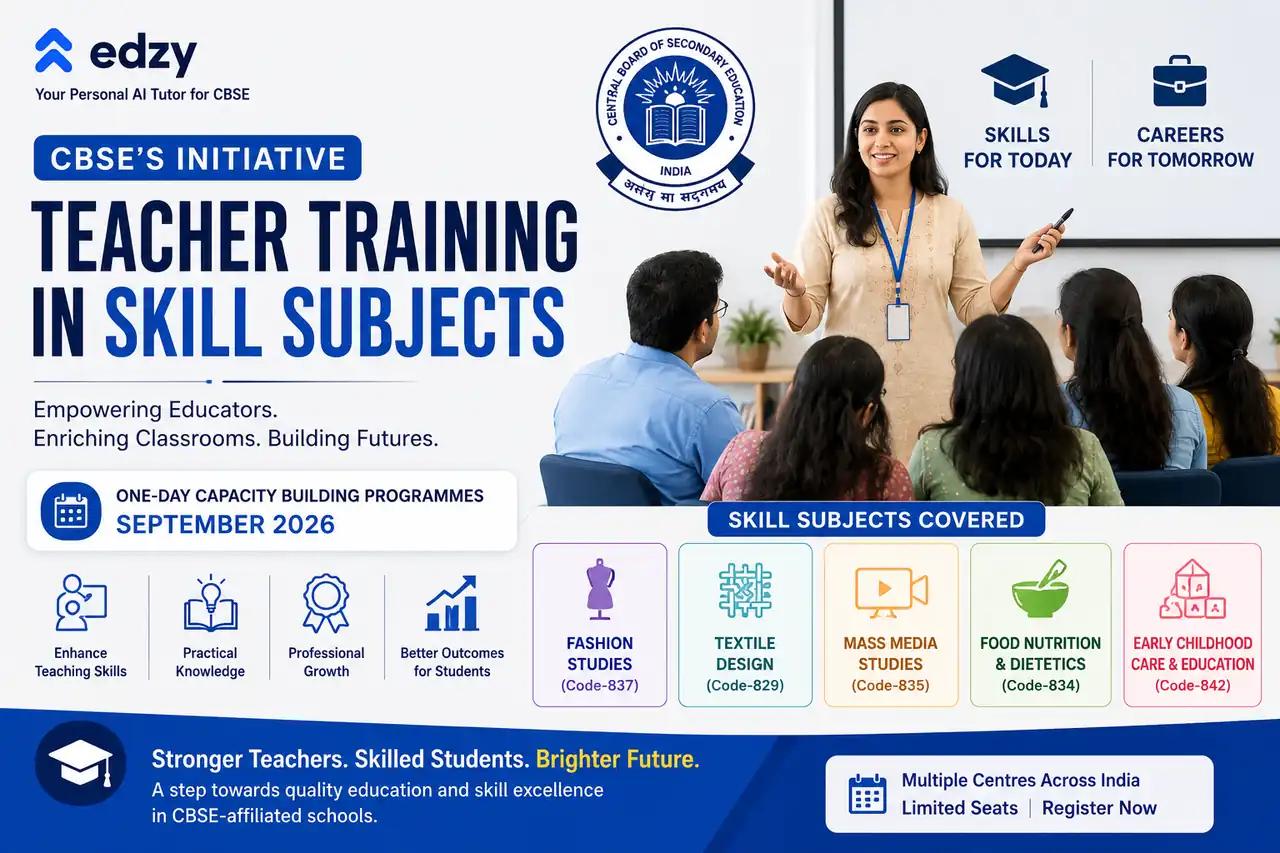
CBSE Organizes One-Day Teacher Training for Skill Subjects in September 2026

KVS/NVS Recruitment Drive 2025: Tier-II Results Declared