
How CBSE Class 10 Students Can Study Lightly During Vacation Without Burnout
A guide for students and parents to navigate vacation studies without stress
Explore effective strategies for CBSE Class 10 students to maintain academic engagement during vacations while avoiding burnout. This blog offers practical tips and insights for both students and parents.

Gaurav Parashar
@gauravparashar
Listen to this article
How CBSE Class 10 Students Can Study Lightly During Vacation Without Burnout
Vacations are often seen as a time for relaxation and rejuvenation, yet for many CBSE Class 10 students, they can also be a source of anxiety. The pressure to stay academically engaged while enjoying a break can lead to burnout. This blog aims to provide students and their parents with effective strategies to study lightly during vacations, ensuring that learning remains enjoyable and stress-free.
Why Total Disengagement Can Backfire
While the idea of completely disengaging from studies during vacation may seem appealing, it can have unintended consequences. Students who take a total break from academics may find it challenging to transition back into a study routine when school resumes. This can lead to feelings of overwhelm and anxiety as they try to catch up on missed content.
Moreover, the CBSE curriculum is designed to build on concepts progressively. A complete disengagement can result in gaps in understanding, particularly in subjects like Mathematics and Science, where each topic often relies on knowledge from previous lessons. For instance, a student who neglects to review the concepts of light and optics during vacation may struggle with related problems in Class 11 Physics.
Instead of total disengagement, a balanced approach that incorporates light study can help students maintain their academic momentum while also enjoying their time off.
What Light Study Really Means
Light study does not imply a lack of effort or commitment; rather, it refers to engaging with academic material in a relaxed and enjoyable manner. This can include a variety of activities that stimulate learning without the pressure of formal study.
For example, students can read books related to their subjects, watch educational videos, or participate in discussions with peers about interesting topics. The key is to choose activities that are enjoyable and foster curiosity rather than stress.
Additionally, light study can involve practical applications of knowledge. For instance, a student interested in Biology might explore local flora and fauna, while a budding physicist could experiment with simple home projects that demonstrate principles of light and sound.
Choosing Low-Pressure Learning Activities
Selecting the right activities is crucial for maintaining a light study approach. Here are some low-pressure learning activities that CBSE Class 10 students can engage in during their vacations:
Reading: Choose books that align with your interests. Fiction, non-fiction, or even graphic novels can enhance vocabulary and comprehension skills.
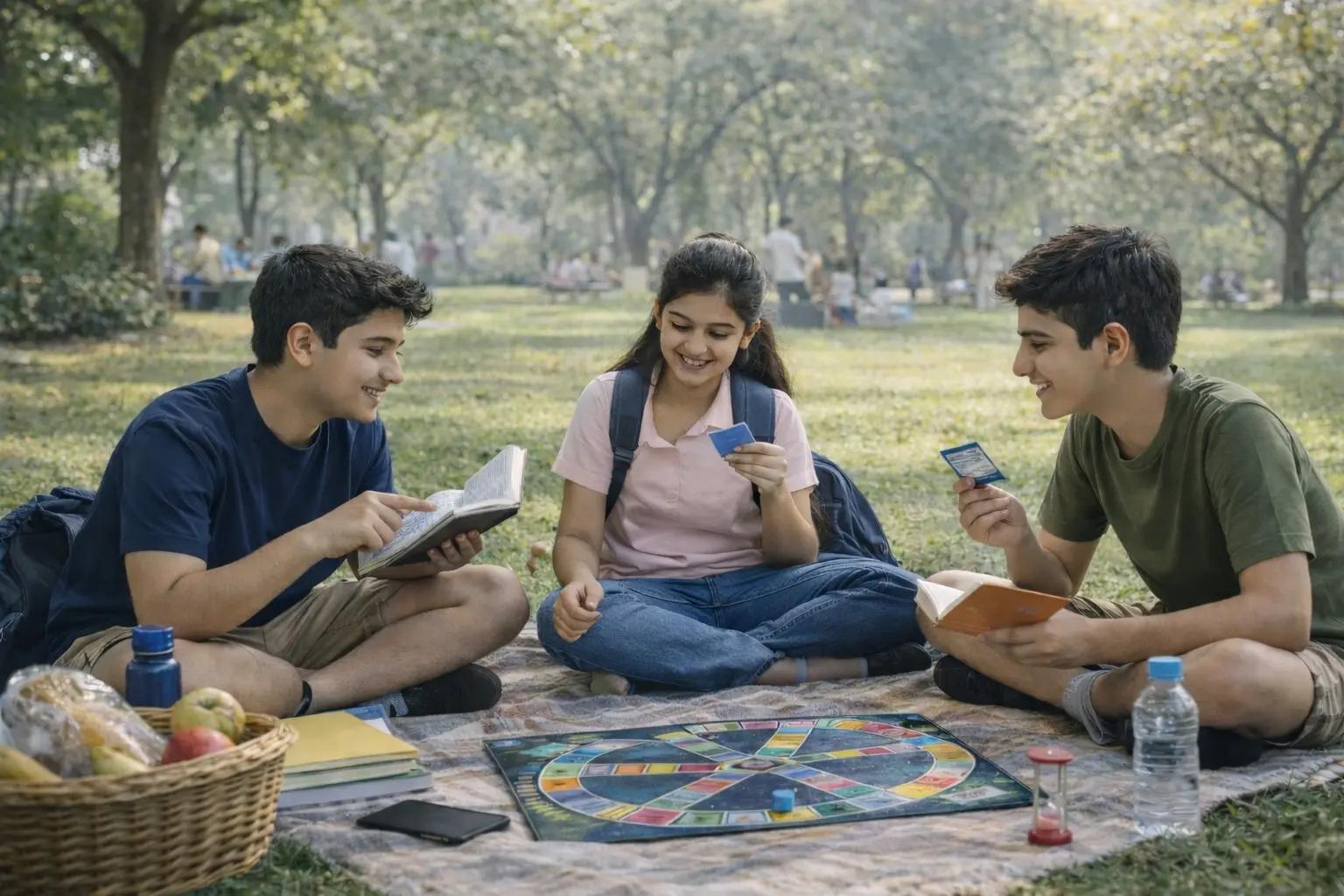
Educational Games: Board games and online quizzes related to subjects can make learning fun. Games like Scrabble can improve vocabulary, while math puzzles can sharpen numerical skills.
Documentaries and Educational Videos: Platforms like YouTube have a plethora of educational content. Watching documentaries related to history, science, or geography can provide insights in an engaging format.
Creative Projects: Encourage students to undertake projects that combine creativity with learning, such as creating a scrapbook of historical events or a science experiment.
Peer Study Groups: Forming a study group with friends can provide a relaxed environment for discussing topics and sharing knowledge.
These activities not only keep the mind engaged but also promote a love for learning without the pressure of exams or grades.
Balancing Screen Time and Study
In today’s digital age, screen time is an integral part of both leisure and learning. However, it is essential to strike a balance between screen time and study to avoid burnout.
Parents and students should set boundaries for screen time, ensuring that it does not interfere with relaxation or family time. For instance, designating specific hours for educational content can help students benefit from technology without becoming overwhelmed.
Moreover, it is important to encourage activities that do not involve screens. Outdoor activities, reading physical books, or engaging in hobbies can provide a refreshing break from digital devices.
For example, a student can allocate one hour each day to watch educational videos and then spend another hour reading a book or engaging in a physical activity. This balance will help maintain focus and prevent fatigue.
Avoiding Comparison-Driven Schedules
One of the biggest challenges students face during vacations is the tendency to compare themselves with peers. Social media can exacerbate this issue, as students often showcase their study schedules and accomplishments online.
It is crucial for students and parents to understand that each individual has a unique learning pace and style. Instead of adhering to a rigid schedule based on what others are doing, students should create a personalized plan that aligns with their interests and goals.
For instance, if a student enjoys Mathematics but finds Science challenging, they might choose to spend more time on math-related activities during the vacation. This personalized approach fosters a sense of ownership over their learning and reduces the pressure to conform.
Parents can support this by encouraging their children to focus on their strengths and interests rather than comparing themselves to others. Celebrating small achievements can also boost confidence and motivation.
Maintaining Curiosity
Curiosity is a powerful driver of learning. During vacations, students should be encouraged to explore new topics and interests that pique their curiosity. This exploration can lead to a deeper understanding of subjects and a greater appreciation for learning.
Parents can facilitate this by providing resources and opportunities for exploration. For example, visiting museums, attending workshops, or participating in community events can expose students to new ideas and experiences.
Additionally, students can be encouraged to ask questions and seek answers independently. This could involve researching a topic of interest or conducting simple experiments at home. Such activities not only enhance knowledge but also develop critical thinking skills.
By nurturing curiosity, students can transform their vacation into a time of discovery and growth, making learning an enjoyable experience.
Parental Role During Vacations
Parents play a crucial role in shaping their children's vacation study habits. It is important for parents to strike a balance between encouraging academic engagement and allowing their children to unwind.
Open communication is key. Parents should discuss study plans with their children, ensuring that they feel comfortable with the chosen activities. This collaborative approach fosters a sense of responsibility and autonomy in students.
Moreover, parents can model healthy study habits by engaging in their own learning activities. Whether it is reading a book, taking an online course, or pursuing a hobby, parents can demonstrate the value of lifelong learning.
Additionally, providing a supportive environment where students can share their thoughts and feelings about their studies can help alleviate stress. Encouraging breaks and family time can also enhance the overall vacation experience.
Preparing Mentally for Class 11
As Class 10 students approach the end of their academic year, it is essential to prepare mentally for the transition to Class 11. This transition can be daunting, as students often face new subjects and increased academic demands.
During vacations, students can take small steps to prepare for this transition. This could include reviewing foundational concepts that will be crucial in Class 11, such as advanced topics in Mathematics or introductory concepts in Physics and Chemistry.
Additionally, students can explore the syllabus for Class 11 to familiarize themselves with the subjects they will be studying. This proactive approach can help reduce anxiety and build confidence as they enter a new academic phase.
Parents can support this preparation by discussing future goals and aspirations with their children. Encouraging students to set realistic academic goals for Class 11 can also motivate them to stay engaged during the vacation.
Conclusion
In conclusion, vacation study for CBSE Class 10 students should be a balanced blend of relaxation and light academic engagement. By adopting a light study approach, students can maintain their academic momentum without experiencing burnout. Choosing low-pressure learning activities, balancing screen time, avoiding comparison, nurturing curiosity, and fostering open communication with parents are all essential strategies for a successful vacation study plan.
As students prepare for the transition to Class 11, it is crucial to approach this phase with a positive mindset. With the right strategies in place, vacations can be a time of growth, discovery, and enjoyment, setting the stage for a successful academic journey ahead.
Suggested blogs
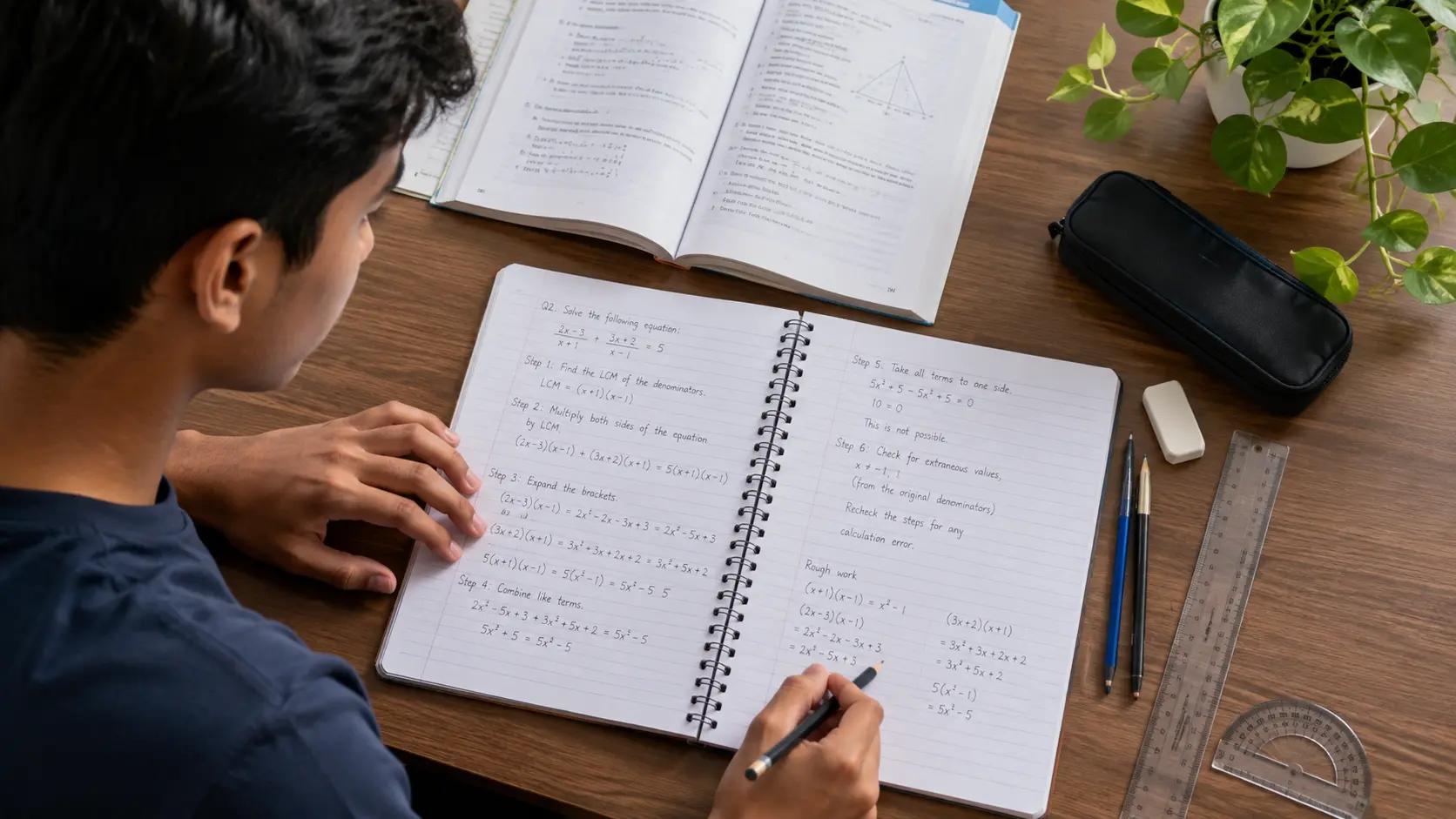
Why You Shouldn’t Skip Steps in Maths (Even If You Know the Answer)
Understanding the importance of step-by-step problem-solving in CBSE Mathematics.
How to Improve Accuracy in Maths Without Extra Practice Hours
Why mastering accuracy is the key to unlocking your true potential in Maths.
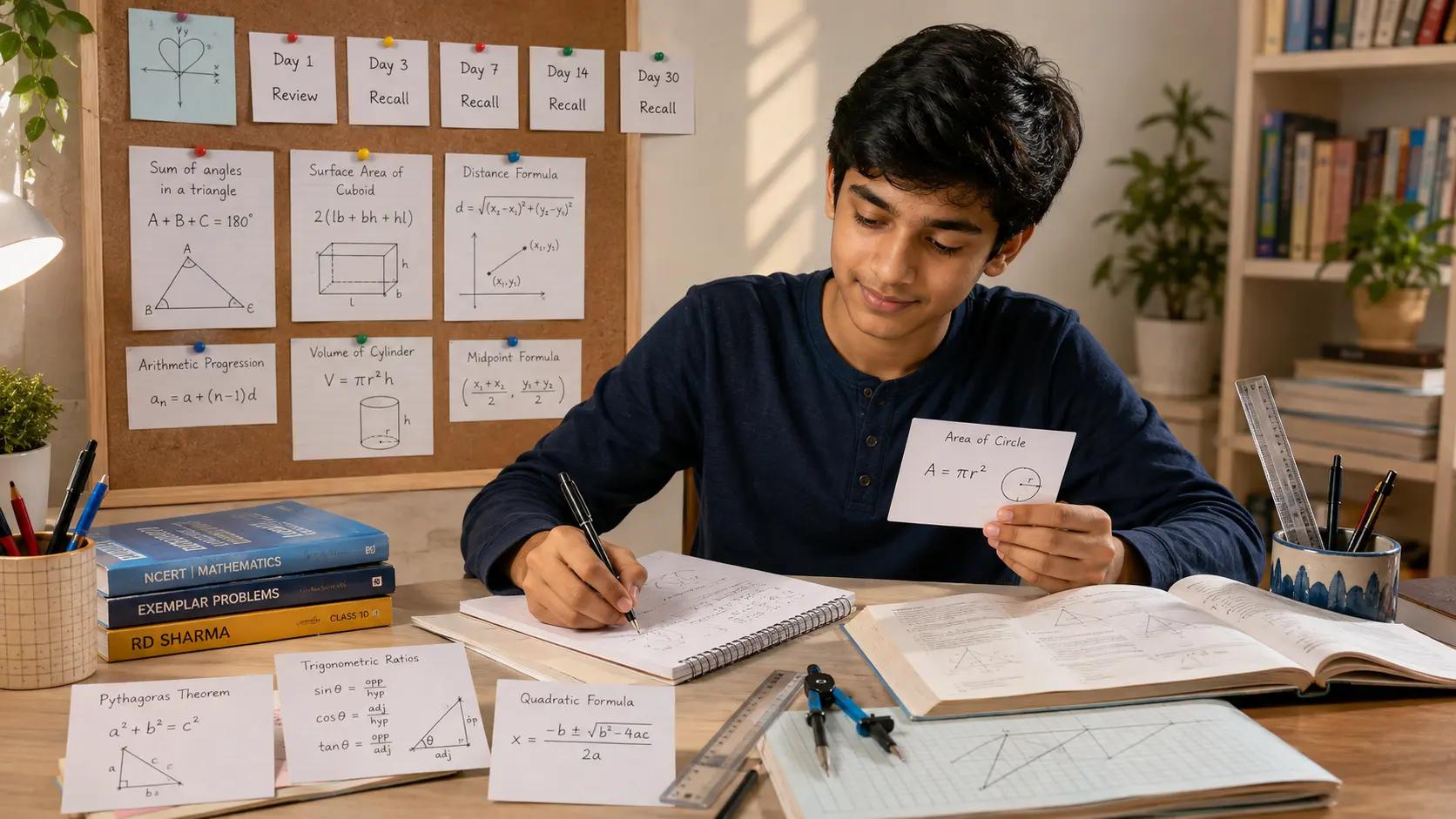
How to Revise Formulas in Maths Without Forgetting Them
Mastering math formulas through understanding and practice — a guide for CBSE students.
How to Identify Your Weak Areas in Studies (And Fix Them Fast)
Transforming academic weaknesses into strengths through targeted strategies.