Brand Logo
Home
All Blogs

How to Improve Concentration W...

Study Tips
Sep 15, 2025|4 min read

How to Improve Concentration While Studying – Proven Focus Techniques for CBSE Students

Proven focus techniques to help CBSE students study smarter

Concentration is a common challenge for CBSE students. This blog explains the science of focus and shares practical strategies—from Pomodoro hacks to mindfulness, nutrition, and apps—that boost study efficiency for exams.
How to Improve Concentration While Studying – Proven Focus Techniques for CBSE Students

For CBSE students preparing for exams, concentration often feels like the hardest subject. Distractions from social media, stress about performance, and even boredom with repetitive study routines can reduce focus. Yet, focus is the bridge between effort and results. This blog brings together science-backed techniques, practical routines, and lifestyle habits that help students improve concentration and maximize study efficiency.

Why concentration is difficult for students

Teenagers face unique challenges when it comes to staying focused. The brain is still developing executive functions like impulse control, making it easier to give in to distractions. Add to that a busy CBSE schedule, constant notifications, and parental expectations, and focus becomes a daily battle. Many students also confuse long study hours with effective concentration, when in fact, short, focused sessions are far more productive.

The science of attention span

Neuroscience suggests that the human brain can maintain deep focus for only 25 to 40 minutes at a stretch. After this, concentration dips and errors increase. This is due to how the brain manages energy and neurotransmitters like dopamine. For CBSE students, understanding attention span science is powerful—it means breaking study time into smaller blocks instead of marathon cramming sessions.

Effective concentration is not about willpower alone—it’s about working with how the brain functions best.

Best study environments for focus

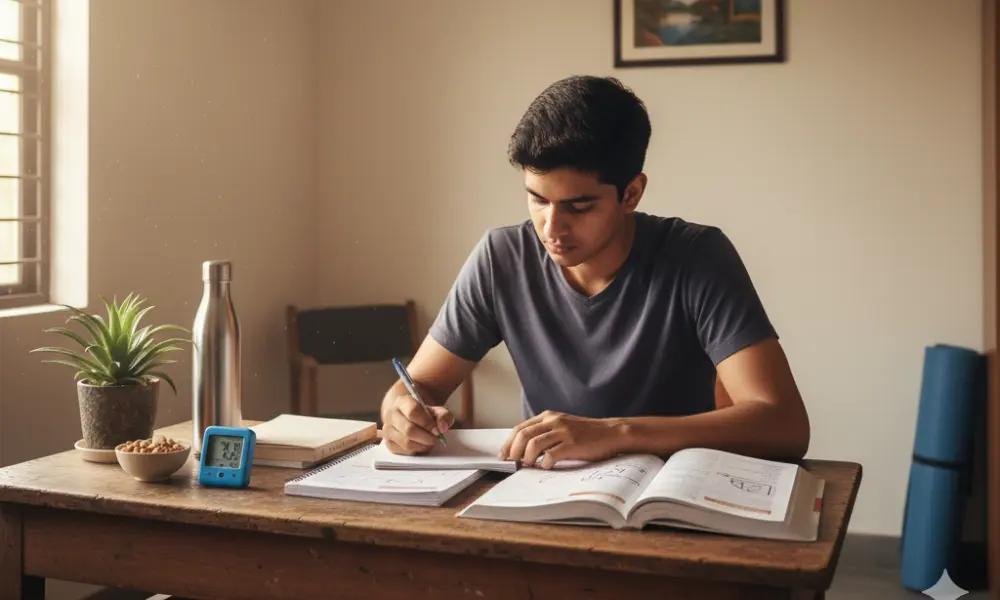
The environment in which a student studies directly impacts concentration. A clutter-free, well-lit, and quiet space helps reduce distractions. Keeping only necessary books on the desk, switching off unnecessary devices, and using a straight-backed chair all signal to the brain that it is time to focus. Background instrumental music or white noise can help some students, while others prefer complete silence. Experimenting with environments helps students find what works best for them.

Pomodoro and other time hacks

One of the most popular focus methods is the Pomodoro Technique, where students study for 25 minutes and then take a 5-minute break. After four cycles, a longer 15–20 minute break is taken. This method aligns perfectly with natural attention spans. Other time hacks include the 52–17 rule (52 minutes of focus with a 17-minute break) or using study timers to block distractions. What matters is consistency—choosing one method and sticking with it daily.

Mindfulness and meditation for focus

Mindfulness and meditation are not just buzzwords—they are proven methods to enhance concentration. Even 10 minutes of mindful breathing before a study session calms the brain and reduces wandering thoughts. Many toppers practice short meditation or visualization exercises, picturing themselves completing tasks successfully. Over time, mindfulness trains the brain to return to focus faster after distractions.

Nutritional and lifestyle factors

What students eat and how they live greatly influence concentration. A diet rich in whole grains, nuts, fruits, and vegetables fuels the brain better than junk food or sugary snacks that cause energy crashes. Staying hydrated is equally important. Sleep is the ultimate focus tool—7 to 8 hours of good rest enhances memory and alertness. Light physical exercise like yoga, stretching, or a short walk also refreshes the brain before long study sessions.

Apps and tools that improve concentration

Technology, when used wisely, can help CBSE students concentrate better. Popular tools include:

  • Forest – grows a virtual tree while you stay off your phone

  • Stay Focused – blocks distracting apps during study hours

  • Notion or Evernote – organizes notes and tasks in one place

  • White noise apps – block background sounds for improved focus

Using these apps creates structure and accountability, reducing the temptation to drift away mid-study.

Final focus boosting routine

Improving concentration is about building habits, not one-time fixes. A simple focus-boosting routine could look like this:

  1. Start with 5 minutes of deep breathing or meditation

  2. Set up a distraction-free study space

  3. Use the Pomodoro Technique for 2–3 cycles

  4. Eat a light, healthy snack and hydrate during breaks

  5. Review notes briefly before ending the session

  6. Wind down with adequate rest and sleep

With consistency, this routine strengthens focus and reduces procrastination. For CBSE students preparing for 2025 exams, mastering concentration is as important as mastering the syllabus.

Focus is a muscle—the more you train it with small daily habits, the stronger it becomes.

Suggested blogs
How to Revise CBSE Class 10 Science Diagrams Quickly Between Exams
Study Tips
Gaurav Parashar|Mar 05, 2026

How to Revise CBSE Class 10 Science Diagrams Quickly Between Exams

Master quick revision techniques for CBSE Class 10 Science diagrams.

What to Revise and What to Skip in the Final Week of CBSE Class 10 Exams
Study Tips
Gaurav Parashar|Feb 18, 2026

What to Revise and What to Skip in the Final Week of CBSE Class 10 Exams

Smart revision strategies for the final week of CBSE Class 10 exams

Best Note-Making Method for CBSE Class 10 Science During Final Revision
Study Tips
Gaurav Parashar|Feb 04, 2026

Best Note-Making Method for CBSE Class 10 Science During Final Revision

Master the art of effective note-making for Science revision

How to Build a Realistic Daily Study Routine for CBSE Class 10 Without Burnout
Study Tips
Gaurav Parashar|Jan 19, 2026

How to Build a Realistic Daily Study Routine for CBSE Class 10 Without Burnout

Design a balanced study routine for Class 10 students to thrive without stress.

Class 9

Class 9 - English
Moments (9 Chapters)|
Beehive (18 Chapters)|
Words and Expressions - I (9 Chapters)
Class 9 - Health and Physical Education
Health and Physical Education (14 Chapters)
Class 9 - Hindi
Sanchayan (4 Chapters)|
Sparsh (10 Chapters)|
Kshitij (13 Chapters)|
Kritika (4 Chapters)
Class 9 - ICT
Information and Communication Technology (8 Chapters)
Class 9 - Mathematics
Mathematics (12 Chapters)
Class 9 - Sanskrit
Shemushi Prathmo Bhag (10 Chapters)|
Vyakaranavithi (20 Chapters)|
Abhyaswaan Bhav (15 Chapters)
Class 9 - Science
Science (12 Chapters)
Class 9 - Social Science
Contemporary India (6 Chapters)|
Democratic Politics (5 Chapters)|
Economics (4 Chapters)|
India and the Contemporary World - I (5 Chapters)

Class 10

Class 10 - English
First Flight (22 Chapters)|
Foot Prints Without feet (9 Chapters)|
Words and Expressions - II (9 Chapters)
Class 10 - Health and Physical Education
Health and Physical Education (13 Chapters)
Class 10 - Hindi
Kshitij - II (13 Chapters)|
Sparsh (14 Chapters)|
Sanchayan - II (3 Chapters)|
Kritika (3 Chapters)
Class 10 - Mathematics
Mathematics (14 Chapters)
Class 10 - Sanskrit
Vyakaranavithi (14 Chapters)|
Shemushi - II (12 Chapters)|
Abhyaswaan Bhav - II (14 Chapters)
Class 10 - Science
Science (13 Chapters)
Class 10 - Social Science
Contemporary India (7 Chapters)|
Democratic Politics (5 Chapters)|
India and the Contemporary World - II (5 Chapters)|
Understanding Economic Development (5 Chapters)
Class 10 - Urdu
Nawa-e-urdu (25 Chapters)

Class 11

Class 11 - Accountancy
Accountancy - II (2 Chapters)|
Financial Accounting - I (7 Chapters)
Class 11 - Biology
Biology (19 Chapters)
Class 11 - Biotechnology
Biotechnology (12 Chapters)
Class 11 - Business Studies
Business Studies (11 Chapters)
Class 11 - Chemistry
Chemistry Part - I (6 Chapters)|
Chemistry Part - II (3 Chapters)
Class 11 - Computer Science
Computer Science (11 Chapters)
Class 11 - Creative Writing and Translation
Srijan (4 Chapters)
Class 11 - Economics
Statistics for Economics (8 Chapters)|
Indian Economic Development (8 Chapters)
Class 11 - English
Hornbill (11 Chapters)|
Snapshots (5 Chapters)|
Woven Words (27 Chapters)
Class 11 - Fine Art
An Introduction to Indian Art Part - I (8 Chapters)
Class 11 - Geography
Fundamentals of Physical Geography (14 Chapters)|
India Physical Environment (6 Chapters)|
Practical Work in Geography (6 Chapters)
Class 11 - Health and Physical Education
Health and Physical Education (11 Chapters)
Class 11 - History
Themes in World History (13 Chapters)
Class 11 - Home Science
Human Ecology and Family Sciences - I (7 Chapters)|
Human Ecology and Family Sciences - II (4 Chapters)
Class 11 - Informatics Practices
Informatics Practices (8 Chapters)
Class 11 - Knowledge Traditions Practices of India
Knowledge Traditions Practices of India (9 Chapters)
Class 11 - Mathematics
Mathematics (14 Chapters)
Class 11 - Physics
Physics Part - I (7 Chapters)|
Physics Part - II (7 Chapters)
Class 11 - Political Science
Indian Constitution at Work (10 Chapters)|
Political Theory (8 Chapters)
Class 11 - Psychology
Introduction to Psychology (8 Chapters)
Class 11 - Sangeet
Tabla evam Pakhawaj (8 Chapters)|
Hindustani Sangeet Gayan Evam Vadan (10 Chapters)
Class 11 - Sociology
Understanding Society (5 Chapters)|
Introducing Sociology (5 Chapters)

Class 12

Class 12 - Accountancy
Accountancy Part - I (4 Chapters)|
Accountancy Part - II (6 Chapters)
Class 12 - Biology
Biology (13 Chapters)
Class 12 - Biotechnology
Biotechnology (13 Chapters)
Class 12 - Business Studies
Business Studies - II (3 Chapters)|
Business Studies - I (8 Chapters)
Class 12 - Chemistry
Chemistry - II (5 Chapters)|
Chemistry - I (5 Chapters)
Class 12 - Computer Science
Computer Science (13 Chapters)
Class 12 - Economics
Introductory Microeconomics (5 Chapters)|
Introductory Macroeconomics (6 Chapters)
Class 12 - English
Flamingo (14 Chapters)|
Vistas (7 Chapters)|
Kaliedoscope (21 Chapters)
Class 12 - Fine Art
An Introduction to Indian Art Part - II (8 Chapters)
Class 12 - Geography
Practical Work in Geography - Part II (4 Chapters)|
Fundamentals of Human Geography (8 Chapters)|
India - People and Economy (9 Chapters)
Class 12 - Hindi
Aroh (15 Chapters)|
Antra (23 Chapters)|
Antral Bhag - II (3 Chapters)|
Vitan (3 Chapters)
Class 12 - History
Themes in Indian History - III (4 Chapters)|
Themes in Indian History - I (4 Chapters)|
Themes in Indian History - II (4 Chapters)
Class 12 - Home Science
Human Ecology and Family Sciences Part I (7 Chapters)|
Human Ecology and Family Sciences Part II (7 Chapters)
Class 12 - Informatics Practices
Informatics Practices (7 Chapters)
Class 12 - Mathematics
Mathematics Part - I (6 Chapters)|
Mathematics Part - II (7 Chapters)
Class 12 - Physics
Physics Part - I (8 Chapters)|
Physics Part - II (6 Chapters)
Class 12 - Political Science
Politics in India Since Independence (8 Chapters)|
Contemporary World Politics (7 Chapters)
Class 12 - Psychology
Psychology (7 Chapters)
Class 12 - Sangeet
Hindustani Sangeet Gayan Evam Vadan (9 Chapters)|
Tabla evam Pakhawaj (7 Chapters)
Class 12 - Sociology
Social Change and Development in India (8 Chapters)|
Indian Society (7 Chapters)

About Edzy - Gamified Learning Platform

Edzy is India's premier gamified AI tutor platform for CBSE and State Board students in classes 6-12. Our platform transforms traditional studying with AI-powered study plans, interactive practice sessions, and personalized learning pathways. Students using Edzy experience unmatched learning efficiency through our immersive educational environment that combines advanced technology with curriculum-aligned content.

Why Choose Edzy for CBSE and State Board Preparation

Edzy offers an adaptive AI educational experience tailored to each student's learning style and pace. We integrate gamification with proven educational strategies to create an engaging environment that students love. Our micro-content approach breaks down complex CBSE and State Board topics into manageable lessons, building confidence through mastery-based progression and real-time feedback.

CBSE and State Board Focus Areas

Edzy specializes in transforming online education for classes 6-12 with AI-powered tutoring. We provide comprehensive NCERT-aligned content and engaging lessons across Mathematics, Science, English, Social Studies, and IT. Our system helps students master fundamental concepts and excel in board exams through AI-generated study plans, personalized learning timelines, and dynamic practice sessions.

Edzy's Unique Approach to Online Learning

Unlike traditional online coaching platforms, Edzy converts CBSE and State Board syllabus content into interactive learning adventures. Our AI tutor provides timely assistance while adapting to student progress. The platform features instant feedback, gamified practice sessions, and achievement badges to motivate continuous learning and concept mastery.

Brand Logo

Edzy | Largest Online Learning Platform for Classes 6–12

Study smarter with Edzy – India’s leading gamified AI tutor for CBSE and State Boards. Designed for Classes 6–12, Edzy offers interactive lessons, AI-powered study plans, and rewarding practice tools for every subject.

Find us on Social Media

Links

About EdzyFAQsContact UsCBSE CoursesDuelsRumblesEdzy App

Parents & Teachers

Search EdzyParent DashboardCreator PlatformEducation BlogCBSE & NCERT News

Policies

Terms and ConditionsRefund PolicyPrivacy PolicyCookie Policy

© 2026 Edzy | Largest Online Learning Platform for Classes 6–12. All rights reserved.

Edzy is an AI tutor for CBSE and State Board students, offering interactive lessons and personalized learning for Classes 6–12.

SitemapNews SitemapBlog SitemapSchool SitemapAccessibility