

Brand Logo
Login
Search
Brand Logo

Edzy for Classes 6-12

Edzy is a personal AI tutor for CBSE and State Board students, with curriculum-aligned guidance, practice, revision, and study plans that adapt to each learner.

  • Email: always@edzy.ai
  • Phone: +91 96256 68472
  • WhatsApp: +91 96256 68472
  • Address: Sector 63, Gurgaon, Haryana

Follow Edzy

Browse by Class

  • CBSE Class 6
  • CBSE Class 7
  • CBSE Class 8
  • CBSE Class 9
  • CBSE Class 10
  • CBSE Class 11
  • CBSE Class 12
Explore the CBSE resource hub

Explore Edzy

  • Study Resources
  • Free Study Tools
  • Best Apps for Board Exams
  • Edzy vs ChatGPT
  • About Us
  • Why We Built Edzy
  • Blog
  • CBSE AI Tutor

Support & Legal

  • Help & FAQs
  • Accessibility
  • Privacy Policy
  • Terms & Conditions
  • Refund Policy
  • Cookie Policy
  • Site Directory

© 2026 Edzy. All rights reserved.

Curriculum-aligned learning paths for students in Classes 6-12.

CBSE
Class 8
Arts
Kirti
Inner Dynamics of Dance

Question Bank

Practice Hub

Question Bank: Inner Dynamics of Dance

Structured practice
Question Practice

Practice chapter questions in a cleaner, exam-ready flow

Start with curated question sets, move into full module views when needed, and keep discovering related practice without losing your place in the chapter.

Question Bank - Inner Dynamics of Dance

View all (88)
Q1.

What does the term 'prāna' refer to in yogic philosophy?

Single Answer MCQ
Q-00159716
View explanation
Q2.

Which practice involves the flow of breath through inhalation and exhalation?

Single Answer MCQ
Q-00159717
View explanation
Q3.

How does breath influence dance movements?

Single Answer MCQ
Q-00159718
View explanation
Q4.

In dance, when does the body usually stretch or expand?

Single Answer MCQ
Q-00159719
View explanation
Q5.

What is equipoise in the context of dance?

Single Answer MCQ
Q-00159720
View explanation
Q6.

What body posture is suggested for observing breath flow in dance?

Single Answer MCQ
Q-00159721
View explanation
Q7.

What role does exhalation play in dance movements?

Single Answer MCQ
Q-00159722
View explanation
Q8.

Why is breath important in conveying emotions during dance?

Single Answer MCQ
Q-00159723
View explanation
Q9.

What is the primary benefit of relaxing through breath in a static dance posture?

Single Answer MCQ
Q-00159724
View explanation
Q10.

In the transition from one dance movement to another, what role does breath play?

Single Answer MCQ
Q-00159725
View explanation
Q11.

What type of movement is characterized by crouching in dance?

Single Answer MCQ
Q-00159726
View explanation
Q12.

During which type of breath is the dancer likely to feel more agile?

Single Answer MCQ
Q-00159727
View explanation
Q13.

What concept describes the maximum effectiveness of dance movements related to breath?

Single Answer MCQ
Q-00159728
View explanation
Q14.

How can the observation of breath in dance enhance performance?

Single Answer MCQ
Q-00159729
View explanation
Q15.

What is the effect of controlled breathing on a dancer's endurance?

Single Answer MCQ
Q-00159730
View explanation
Q16.

Why is breath considered a link between movement and stillness in dance?

Single Answer MCQ
Q-00159731
View explanation
Q17.

What term is used in dance to describe a moment of stillness before or after movement?

Single Answer MCQ
Q-00159761
View explanation
Q18.

Which dance text is considered the oldest and most authoritative on dance and dance-drama?

Single Answer MCQ
Q-00159762
View explanation
Q19.

In yogic philosophy, what does the term 'prāna' refer to?

Single Answer MCQ
Q-00159763
View explanation
Q20.

What are the ways of moving in dance referred to in the Nāṭyaśhāstra?

Single Answer MCQ
Q-00159764
View explanation
Q21.

Which of the following is NOT a function of breath in dance?

Single Answer MCQ
Q-00159765
View explanation
Q22.

Which term refers to the balance and relaxation of the spine in dance?

Single Answer MCQ
Q-00159766
View explanation
Q23.

What aspect does the Sangīta Ratnākara focus on regarding dance?

Single Answer MCQ
Q-00159767
View explanation
Q24.

What is the relationship between breath and movement in dance?

Single Answer MCQ
Q-00159768
View explanation
Q25.

Which of the following elements is NOT part of the common dance terminology as described in dance texts?

Single Answer MCQ
Q-00159769
View explanation
Q26.

How does holding a static posture benefit the dancer?

Single Answer MCQ
Q-00159770
View explanation
Q27.

Which of the following is an example of a dance movement described by the Nāṭyaśhāstra?

Single Answer MCQ
Q-00159771
View explanation
Q28.

What is the primary focus of the Abhinaya Darpanam?

Single Answer MCQ
Q-00159772
View explanation
Q29.

What effect does inhaling have on dance movements according to the principles discussed?

Single Answer MCQ
Q-00159773
View explanation
Q30.

Which dance technique emphasizes the importance of a relaxed spine for movement?

Single Answer MCQ
Q-00159774
View explanation
Q31.

In dance, what does the term 'gati' specifically refer to?

Single Answer MCQ
Q-00159775
View explanation
Q32.

Why is flexibility considered essential in dance processes?

Single Answer MCQ
Q-00159776
View explanation
Q33.

What are the three types of postures (sthānas) in dance according to Nāṭyaśhāstra?

Single Answer MCQ
Q-00159777
View explanation
Q34.

In which dance form do you find the postures 'purusha' and 'prakriti'?

Single Answer MCQ
Q-00159778
View explanation
Q35.

Why are postures important in dance performances?

Single Answer MCQ
Q-00159779
View explanation
Q36.

What is the significance of observing postures in bronze sculptures?

Single Answer MCQ
Q-00159780
View explanation
Q37.

Which of the following is NOT a type of dance posture mentioned in Nāṭyaśhāstra?

Single Answer MCQ
Q-00159781
View explanation
Q38.

Which quality best characterizes male postures in traditional dance?

Single Answer MCQ
Q-00159782
View explanation
Q39.

Why is the classification of postures into male and female considered culturally significant?

Single Answer MCQ
Q-00159783
View explanation
Q40.

In which type of postures do dancers typically rest during a performance?

Single Answer MCQ
Q-00159784
View explanation
Q41.

Which statement about postures in dance is accurate?

Single Answer MCQ
Q-00159785
View explanation
Q42.

Which of the following pairs represents the male and female postures in Sattriya?

Single Answer MCQ
Q-00159786
View explanation
Q43.

How can studying dance postures enhance our understanding of cultural expressions?

Single Answer MCQ
Q-00159787
View explanation
Q44.

What element distinguishes female postures in many dance forms?

Single Answer MCQ
Q-00159788
View explanation
Q45.

Which posture would primarily convey a sense of alertness in dancing?

Single Answer MCQ
Q-00159789
View explanation
Q46.

The position of the body in dance that creates both visual beauty and expression is called:

Single Answer MCQ
Q-00159790
View explanation
Q47.

What is a common misconception about dance postures?

Single Answer MCQ
Q-00159791
View explanation
Q48.

What is a 'karana' in the context of dance?

Single Answer MCQ
Q-00159792
View explanation
Q49.

Which of the following is NOT a component of a complete dance movement phrase?

Single Answer MCQ
Q-00159793
View explanation
Q50.

A static posture in dance is referred to as what?

Single Answer MCQ
Q-00159794
View explanation
Q51.

In dance, how does breathing relate to movement?

Single Answer MCQ
Q-00159795
View explanation
Q52.

Which karana is illustrated by the bronze statues of dancing Shiva?

Single Answer MCQ
Q-00159796
View explanation
Q53.

Which of the following best defines 'gati'?

Single Answer MCQ
Q-00159797
View explanation
Q54.

What is the role of hand gestures or 'hastas' in dance?

Single Answer MCQ
Q-00159798
View explanation
Q55.

Which combination of movements helps a dancer convey emotions best?

Single Answer MCQ
Q-00159799
View explanation
Q56.

What should a dancer do as they transition between movements?

Single Answer MCQ
Q-00159800
View explanation
Q57.

In creating a choreography, what element is essential to return to after movement?

Single Answer MCQ
Q-00159801
View explanation
Q58.

Why are movements of the hips, neck, and other body parts important in a dance phrase?

Single Answer MCQ
Q-00159802
View explanation
Q59.

What is the primary aim of combining various postures and movements in dance?

Single Answer MCQ
Q-00159803
View explanation
Q60.

Which aspect of dance often aids in storytelling?

Single Answer MCQ
Q-00159804
View explanation
Q61.

What might be a misconception about hand movements in dance?

Single Answer MCQ
Q-00159805
View explanation
Q62.

What is a key characteristic of Indian classical dance forms?

Single Answer MCQ
Q-00159806
View explanation
Q63.

Which of the following dance forms is primarily a folk dance of Punjab?

Single Answer MCQ
Q-00159807
View explanation
Q64.

Why is body relaxation important in dance?

Single Answer MCQ
Q-00159808
View explanation
Q65.

What role do mudras play in dance?

Single Answer MCQ
Q-00159809
View explanation
Q66.

Which dance form often uses storytelling through movement and is traditionally performed in temples?

Single Answer MCQ
Q-00159810
View explanation
Q67.

What is the main focus of contemporary Indian dance?

Single Answer MCQ
Q-00159811
View explanation
Q68.

Which of the following is a common misconception about dance?

Single Answer MCQ
Q-00159812
View explanation
Q69.

Why is teamwork important in dance?

Single Answer MCQ
Q-00159813
View explanation
Q70.

How does participating in dance help in expressing emotions?

Single Answer MCQ
Q-00159814
View explanation
Q71.

What is the significance of stage etiquette in dance?

Single Answer MCQ
Q-00159815
View explanation
Q72.

Which Indian dance form typically emphasizes intricate footwork and precise rhythmic patterns?

Single Answer MCQ
Q-00159816
View explanation
Q73.

How can dance challenge societal stereotypes?

Single Answer MCQ
Q-00159817
View explanation
Q74.

What is a 'still point' in dance?

Single Answer MCQ
Q-00159818
View explanation
Q75.

Which form of dance is best known for its expressiveness and connection to emotions?

Single Answer MCQ
Q-00159819
View explanation
Q76.

What elements contribute to the cultural diversity of Indian dance?

Single Answer MCQ
Q-00159820
View explanation
Q77.

Why is teamwork essential in dance?

Single Answer MCQ
Q-00159824
View explanation
Q78.

What is a still point in dance?

Single Answer MCQ
Q-00159826
View explanation
Q79.

How can hand gestures enhance a dance performance?

Single Answer MCQ
Q-00159828
View explanation
Q80.

Which element is crucial for effective teamwork in dance?

Single Answer MCQ
Q-00159830
View explanation
Q81.

How does expressing both positive and negative emotions benefit dancers?

Single Answer MCQ
Q-00159832
View explanation
Q82.

Which factor best supports inclusivity in dance?

Single Answer MCQ
Q-00159834
View explanation
Q83.

Which of the following best illustrates collaboration in dance?

Single Answer MCQ
Q-00159836
View explanation
Q84.

What is a common misconception about teamwork in dance?
Single Answer MCQ
Q-00159838
View explanation
Q85.

Which component is vital for transitioning between dance movements smoothly?

Single Answer MCQ
Q-00159840
View explanation
Q86.

What role does feedback play in a dance team's development?

Single Answer MCQ
Q-00159842
View explanation
Q87.

How does cultural diversity in dance influence teamwork?

Single Answer MCQ
Q-00159844
View explanation
Q88.

What aspect is fundamental in choreographing a group dance?

Single Answer MCQ
Q-00159846
View explanation
Learn Better On The App
Gamified progress

Learning That Feels Rewarding

Earn XP, unlock badges, and turn revision into a habit that feels motivating.

XP and badges
Higher engagement

Faster access to practice, revision, and daily study flow.

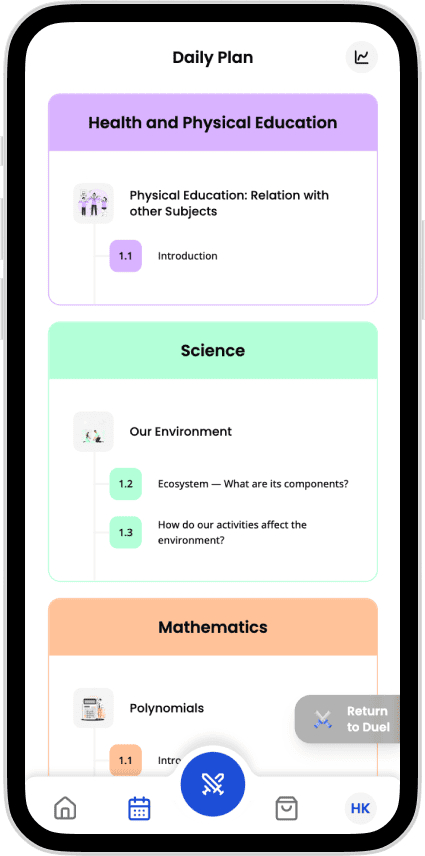
Edzy mobile app preview