
CBSE Promotes Digital Payments in Schools: A Step Towards Modernization
New initiative aims to streamline financial transactions in educational institutions across India.
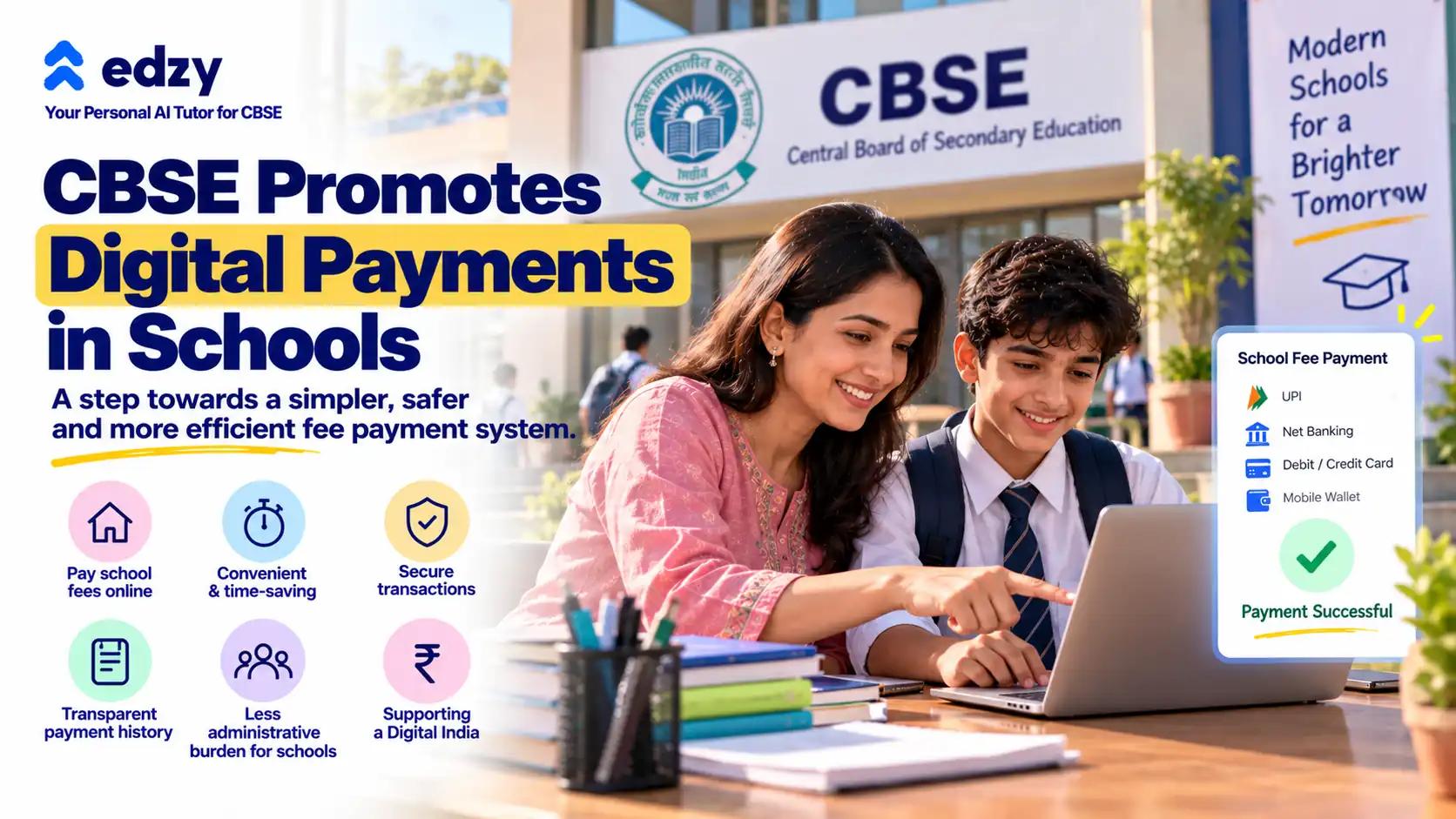
CBSE has announced a new initiative to promote digital payments in schools, enhancing the financial transaction process for students and parents. This move is part of a broader effort to modernize the education sector and encourage cashless transactions. In this article, we will explore the implications of this initiative for students, parents, and educational institutions, as well as the steps involved in adopting digital payment methods.
Listen to this article
CBSE Promotes Digital Payments in Schools: A Step Towards Modernization
Understanding the Initiative to Promote Digital Payments in Schools
The Central Board of Secondary Education (CBSE) has taken a significant step towards modernizing the financial transaction process within schools by promoting digital payments. This initiative, announced on October 1, 2026, aims to facilitate a seamless and efficient payment system for students and parents alike. With the increasing reliance on technology in education, this move is expected to enhance the overall experience of managing school fees and other financial obligations. Readers can compare this update with cbse launches e waste awareness campaign and for related CBSE context.
The shift towards digital payments is not just a trend; it is a necessity in today's fast-paced world. Schools across India will now be encouraged to adopt various digital payment methods, including online banking, mobile wallets, and other cashless transaction systems. This initiative aligns with the government's vision of a Digital India, where technology plays a pivotal role in everyday transactions. Readers can compare this update with cbse releases sample question papers for classes for related CBSE context.
For more insights on how digital initiatives are shaping education, read about the CBSE's e-waste awareness campaign. Readers can compare this update with cbse introduces integrated payment system for 2026 for related CBSE context.
Benefits of Digital Payments for Students and Parents
The introduction of digital payment systems in schools offers numerous benefits for both students and parents. Firstly, it simplifies the payment process, allowing parents to pay school fees from the comfort of their homes without the need for physical cash. This convenience is especially beneficial for working parents who may find it challenging to visit the school during working hours. Readers can compare this update with cbse organizes capacity building programmes for teachers for related CBSE context.
Additionally, digital payments provide a transparent transaction history, which can help parents keep track of their payments and manage their finances more effectively. Schools will also benefit from reduced administrative burdens associated with handling cash, such as counting, storing, and depositing money. This efficiency can lead to better resource allocation and improved focus on educational activities. Readers can compare this update with cbse young india culinary championship 2026 27 for related CBSE context.
To understand how schools are adapting to new educational frameworks, check out the latest sample question papers for Classes X and XII.
Implementation Process for Digital Payments in Schools
Implementing digital payment systems in schools involves several steps. Initially, schools will need to choose a reliable payment gateway that can handle various transaction types securely. This includes options for credit and debit card payments, net banking, and mobile wallets. Once a payment gateway is selected, schools must ensure that all stakeholders, including teachers and administrative staff, are trained to use the new system effectively.
Moreover, schools will need to communicate with parents about the new payment methods, providing clear instructions on how to make payments online. This communication is crucial to ensure that all parents are comfortable with the transition to digital payments. Schools may also consider offering workshops or informational sessions to guide parents through the process.
For further information on the latest educational initiatives, explore the integrated payment system for board exam centres.
Challenges and Considerations in Adopting Digital Payments
While the benefits of digital payments are substantial, there are also challenges that schools must address during the transition. One of the primary concerns is ensuring that all parents have access to the necessary technology and internet connectivity to make online payments. Schools may need to provide support for families who are less tech-savvy or who do not have reliable internet access.
Additionally, schools must prioritize data security and privacy when handling digital transactions. Implementing robust security measures to protect sensitive financial information is essential to maintain trust among parents and students. Schools should also be prepared to address any technical issues that may arise during the implementation phase.
To stay updated on the latest educational policies and initiatives, refer to the capacity building programs for teachers.
What This Policy Change Means for Schools and Students
The promotion of digital payments in schools marks a significant shift in how educational institutions manage financial transactions. For students, this initiative means a more streamlined and efficient process for paying fees, which can reduce stress for both students and parents. As schools embrace technology, students will also benefit from a more modern educational environment that prepares them for a digital future.
Furthermore, this initiative can lead to increased financial transparency within schools, fostering a culture of accountability and trust. As schools adapt to these changes, they will likely see improvements in overall operational efficiency, allowing them to focus more on delivering quality education.
For those interested in understanding the broader implications of educational reforms, the Young India Culinary Championship is an excellent example of how CBSE is integrating practical skills into the curriculum.
In summary, the transition to digital payments in schools is a crucial step towards modernizing the educational landscape in India. By embracing technology, CBSE is not only enhancing the payment process but also paving the way for a more efficient and transparent educational system.
Related News

CBSE LOC Submission Deadline Approaches: Only 7 Days Left

CBSE Science Challenge 2026-27: A Platform for Scientific Inquiry

Fit India Freedom Run 2026: A Nationwide Campaign for Health and Fitness

CBSE Class 10 Board Exam 2026-2027: Submission of Examination Forms for Private Candidates