
CBSE Class 10 Exam-Day Checklist: What to Do Before and After the Paper
Essential tips for students to excel on exam day
This blog provides a comprehensive checklist for CBSE Class 10 students to follow before, during, and after their exams, ensuring a smooth experience.

Gaurav Parashar
@gauravparashar
Listen to this article
CBSE Class 10 Exam-Day Checklist: What to Do Before and After the Paper
Exams can be a source of anxiety for many students, especially when it comes to the crucial Class 10 board exams. Small mistakes on exam day can cost you valuable marks, making it essential to be well-prepared. This blog provides a clear, practical checklist for students to follow on every exam day, ensuring that they are ready to tackle their papers with confidence.
Night Before Preparation Essentials
The night before the exam is critical for setting the tone for the next day. Here are some essential steps to follow:
Review Your Study Material: Take some time to go through your notes, important formulas, and key concepts. This is not the time for cramming but rather for a light review to refresh your memory.
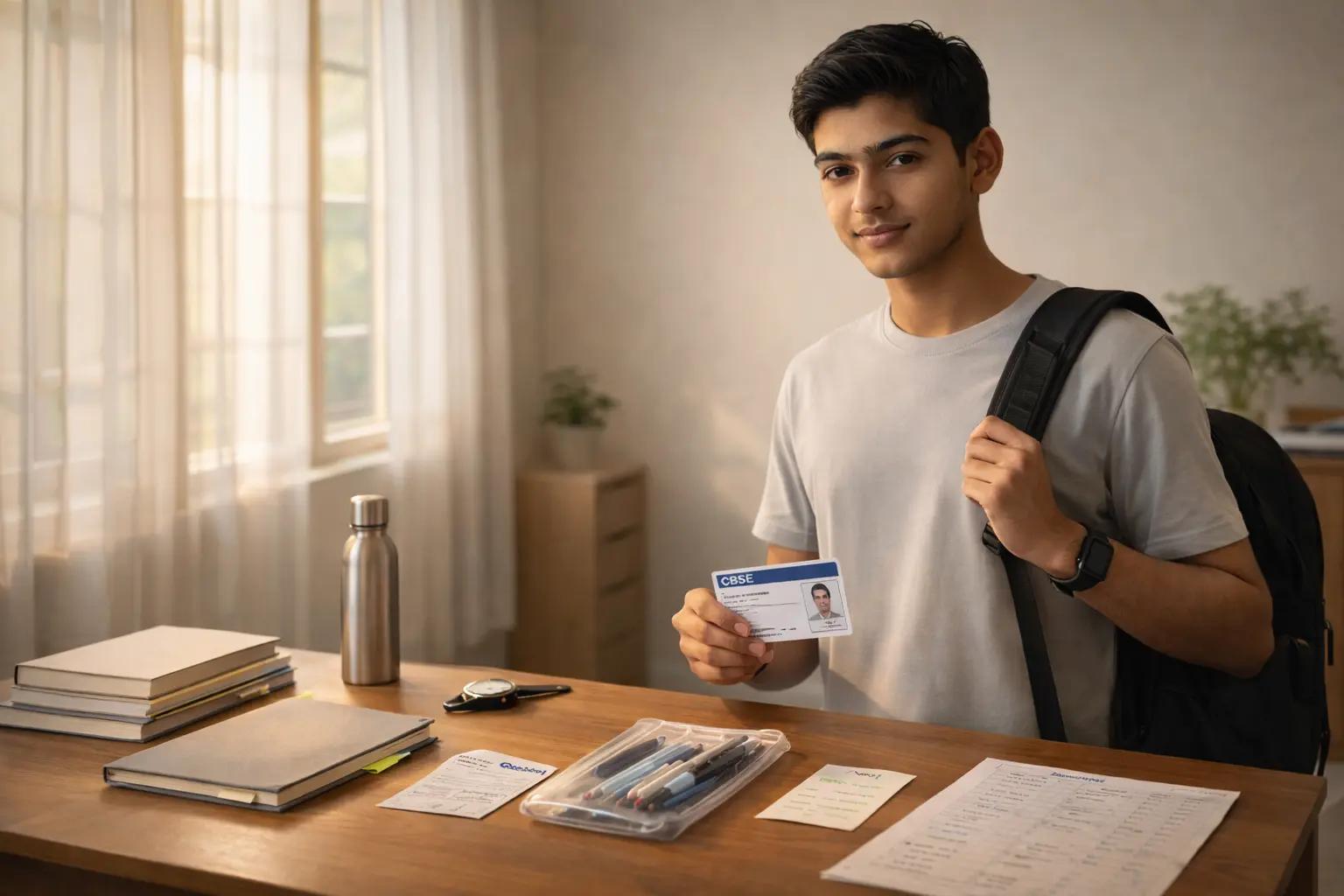
Prepare Your Exam Kit: Gather all the materials you will need for the exam. This includes your admit card, stationery (pens, pencils, erasers), a calculator (if allowed), and any other required items. Ensure everything is in one place to avoid last-minute searches.
Set Your Outfit Ready: Choose a comfortable outfit that you will wear on the exam day. Make sure it adheres to your school’s dress code. Lay it out the night before to save time in the morning.
Plan Your Breakfast: A nutritious breakfast is essential for maintaining energy levels. Prepare something healthy that you enjoy, and avoid heavy or greasy foods that might make you feel sluggish.
Set an Alarm: Ensure you set an alarm that gives you enough time to wake up, get ready, and reach the exam centre without rushing.
Get a Good Night’s Sleep: Aim for at least 7-8 hours of sleep. A well-rested mind is more alert and better equipped to handle the exam.
What to Carry to the Exam Centre
On the day of the exam, it’s crucial to carry the right items to the exam centre. Here’s a checklist:
Admit Card: This is your entry pass to the exam hall. Ensure it is printed and signed where required.
Stationery: Bring multiple pens, pencils, and an eraser. If your exam allows it, a calculator should also be included.
Water Bottle: Staying hydrated is important, so carry a water bottle to sip during breaks.
Watch: A wristwatch can help you manage your time effectively during the exam.
Personal Items: If you have any personal items like a small snack or a stress ball, ensure they are allowed in the exam hall.
Identification: Carry a valid ID proof along with your admit card, as it may be required for verification.
Time Management Inside the Exam Hall
Once you are inside the exam hall, managing your time effectively is key to completing your paper. Here are some strategies:
Read the Instructions Carefully: Before starting, take a moment to read the instructions on the question paper. This will help you understand the marking scheme and any specific requirements.
Skim Through the Paper: Quickly skim through the entire question paper to gauge the sections and types of questions. This will help you plan your time accordingly.
Allocate Time Wisely: Divide your total exam time based on the number of questions. For instance, if you have three sections, allocate time based on the marks each section carries.
Start with What You Know: Begin with questions you are confident about. This will help build your momentum and reduce anxiety.
Keep Track of Time: Regularly check the time to ensure you are on track. If you find yourself spending too long on one question, move on and return to it later if time permits.
Reading the Question Paper Strategically
Reading the question paper strategically can significantly impact your performance. Here’s how to do it:
Identify Key Terms: Pay attention to keywords in the questions. Words like 'explain', 'describe', 'compare', or 'list' indicate what is expected in your answer.
Highlight Important Points: If allowed, use a pencil to underline or highlight important points in the questions. This will help you focus on what needs to be addressed.
Break Down Complex Questions: For multi-part questions, break them down into smaller parts. Tackle each part systematically to avoid missing out on any component.
Prioritize Questions: If there are optional questions, choose the ones you feel most confident about. This will maximize your chances of scoring well.
Handling Unexpected Questions Calmly
It’s not uncommon to encounter questions that you find challenging or unexpected. Here’s how to handle them:
Stay Calm: Take a deep breath and don’t panic. Remember, it’s just one question, and you have prepared for this moment.
Use Elimination Techniques: If it’s a multiple-choice question, eliminate the options you know are incorrect. This increases your chances of selecting the right answer.
Write What You Know: If you can’t recall the exact answer, write down what you do know related to the topic. Partial credit can still earn you marks.
Move On: If a question is too difficult, move on to the next one. You can always come back to it later if time allows.
Post-Exam Reflection Without Stress
After completing your exam, it’s important to reflect on your performance without adding stress. Here are some tips:
Take a Break: Give yourself some time to relax and unwind. Engage in a favorite activity or spend time with friends to take your mind off the exam.
Avoid Comparing Answers: Resist the urge to discuss answers with classmates immediately after the exam. This can lead to unnecessary anxiety and self-doubt.
Reflect Positively: Think about what went well during the exam. Focus on your strengths rather than dwelling on mistakes.
Prepare for the Next Exam: Use your reflections to improve for the next exam. Identify areas where you can enhance your preparation.
Avoiding Paper-to-Paper Anxiety
It’s common for students to feel anxious about upcoming papers, especially after a challenging exam. Here’s how to manage that anxiety:
Practice Mindfulness: Engage in mindfulness exercises such as deep breathing or meditation to calm your mind.
Stay Organized: Keep your study materials organized for the next exam. A clear plan can reduce anxiety about what to study.
Talk About Your Feelings: Share your thoughts with friends or family. Discussing your concerns can help alleviate anxiety.
Focus on Preparation: Shift your focus to preparing for the next exam rather than worrying about past performances.
Resetting Mindset for the Next Exam
After each exam, it’s crucial to reset your mindset for the next one. Here’s how to do it:
Set New Goals: Establish clear and achievable goals for your next exam. This will give you a sense of direction and purpose.
Review Feedback: If you receive feedback from teachers or peers, use it constructively to improve your preparation.
Stay Positive: Maintain a positive attitude. Remind yourself of your capabilities and past successes.
Engage in Relaxation Techniques: Incorporate relaxation techniques into your routine to manage stress effectively.
In conclusion, being well-prepared for your CBSE Class 10 exams involves more than just studying. Following this exam-day checklist can help you navigate the challenges of exam day with confidence. Remember, preparation is key, and with the right mindset, you can excel in your exams. Best of luck!
Suggested blogs
How to Avoid Panic When You Don’t Know an Answer in the Exam
Mastering calmness to tackle exam challenges effectively.
How to Manage Time During a 3-Hour Exam
Mastering time management for a successful exam experience.
How to Check Your Answers Properly in Exams
Mastering the art of answer checking to secure every mark in CBSE exams.

How to Improve Your Speed in Solving Questions Before Exams
Mastering speed in question-solving is crucial for CBSE students aiming for high marks.