
How to Revise One Day Before the Exam (Without Panic)
Mastering last-minute revision for CBSE exams without stress.
Students often feel overwhelmed the day before an exam, leading to panic and ineffective study. This blog introduces the 'Calm Revision Framework,' a structured approach to last-day revision. Readers will learn how to focus on key topics, utilize active recall, and manage their time effectively to enter the exam room with confidence.


Gaurav Parashar
@gauravparashar
Listen to this article
How to Revise One Day Before the Exam (Without Panic)
Why Last-Day Revision Feels Stressful
As the exam date approaches, students often experience heightened anxiety, especially on the last day before the exam. This stress can stem from the fear of forgetting crucial information or not having enough time to cover all topics. For instance, a Class 10 student preparing for the Science exam might feel overwhelmed by the vast syllabus, which includes chapters like Light and Acids, Bases and Salts. The pressure to perform well can lead to panic, making it difficult to concentrate and effectively revise. To manage this, students can explore strategies on how to avoid last-minute cramming.
Understanding that this stress is common among students is the first step towards managing it. The key is to adopt a structured approach to revision that allows for focused study without the chaos of cramming. This is where the 'Calm Revision Framework' comes into play, providing a clear strategy for students to follow.
Focusing Only on Important Topics
On the last day, it's crucial to prioritize important topics rather than attempting to cover the entire syllabus. For example, a Class 12 student preparing for the Mathematics exam should focus on high-weightage chapters like Calculus and Vectors, which frequently appear in board exams. By identifying these key areas, students can allocate their time more effectively and ensure they are well-prepared for the most significant portions of the exam. They can also refer to guides on how to revise quickly to maximize their last-minute study.
To determine which topics to prioritize, students can refer to previous years' question papers and identify recurring themes. This targeted approach not only saves time but also boosts confidence as students feel more prepared for the exam's critical components.
Avoiding New Topics at the Last Moment
One of the biggest mistakes students make on the last day is attempting to learn new topics. This can lead to confusion and increased anxiety. For instance, a Class 9 student who decides to study Statistics for the first time the day before the exam may find themselves overwhelmed and unable to grasp the concepts effectively. Instead, students should stick to what they already know and reinforce their understanding of those topics. They can benefit from understanding how to study faster without compromising their grasp of the material.
Revisiting familiar concepts allows for better retention and recall during the exam. Students should focus on reviewing notes, summarizing key points, and practicing problems they have previously encountered. This strategy not only solidifies their knowledge but also enhances their confidence.
Using Active Recall Instead of Reading
Active recall is a powerful technique that involves retrieving information from memory rather than passively reading through notes. For example, a Class 11 student preparing for the Biology exam can close their textbook and try to write down everything they remember about Photosynthesis. This method not only reinforces memory but also highlights areas that need further review.
Students can create flashcards with questions on one side and answers on the other, testing themselves throughout the day. This active engagement with the material enhances retention and prepares students to answer questions confidently during the exam.
Quickly Reviewing Mistakes
Another effective strategy for last-day revision is to quickly review mistakes made in previous tests or practice papers. For instance, a Class 10 student who struggled with case-based questions in their Social Science practice paper should revisit those questions to understand where they went wrong. This reflection helps identify weak areas and reinforces learning.
By focusing on past mistakes, students can avoid repeating them in the actual exam. This targeted review not only boosts confidence but also equips students with strategies to tackle similar questions effectively. Additionally, they can learn how to check their answers properly in exams to further enhance their performance.
Managing Time Efficiently
Time management is crucial on the last day of revision. Students should create a realistic timetable that allocates specific time slots for each subject and topic. For example, a Class 12 student might dedicate the morning to Physics and the afternoon to English, ensuring they cover essential areas without feeling rushed.
Using a timer can help students stay focused and avoid distractions. Setting aside short breaks between study sessions allows for mental rejuvenation, making it easier to absorb information. This structured approach to time management ensures that students make the most of their last day without succumbing to panic.
Staying Calm and Confident
Maintaining a calm demeanor is essential for effective last-day revision. Stress can hinder cognitive function and memory recall, making it vital for students to engage in relaxation techniques. Simple practices such as deep breathing exercises or short meditation sessions can help alleviate anxiety and promote focus.
Additionally, students should remind themselves of their preparation and the effort they have put into studying. Positive affirmations can boost confidence and reduce self-doubt. For instance, a Class 10 student might repeat to themselves, "I am well-prepared for my Mathematics exam and can solve any problem that comes my way." This mental preparation is just as important as the academic review.
Preparing Mentally for the Exam
Mental preparation is a crucial aspect of last-day revision. Students should visualize themselves successfully completing the exam and achieving their desired results. This technique can help reduce anxiety and create a positive mindset going into the exam.
Moreover, students should ensure they have all necessary materials ready for the exam day, such as admit cards, stationery, and any required documents. This preparation not only reduces last-minute stress but also allows students to focus entirely on their performance during the exam.
In summary, the 'Calm Revision Framework' emphasizes the importance of structured revision on the last day before an exam. By focusing on key topics, avoiding new material, utilizing active recall, reviewing mistakes, managing time efficiently, staying calm, and preparing mentally, students can approach their exams with confidence and clarity. For more insights on effective study techniques, consider reading about how to improve your study routine.
Suggested blogs

How to Improve Speed in Exams Without Making More Mistakes
Mastering the art of speed and accuracy for CBSE exams.
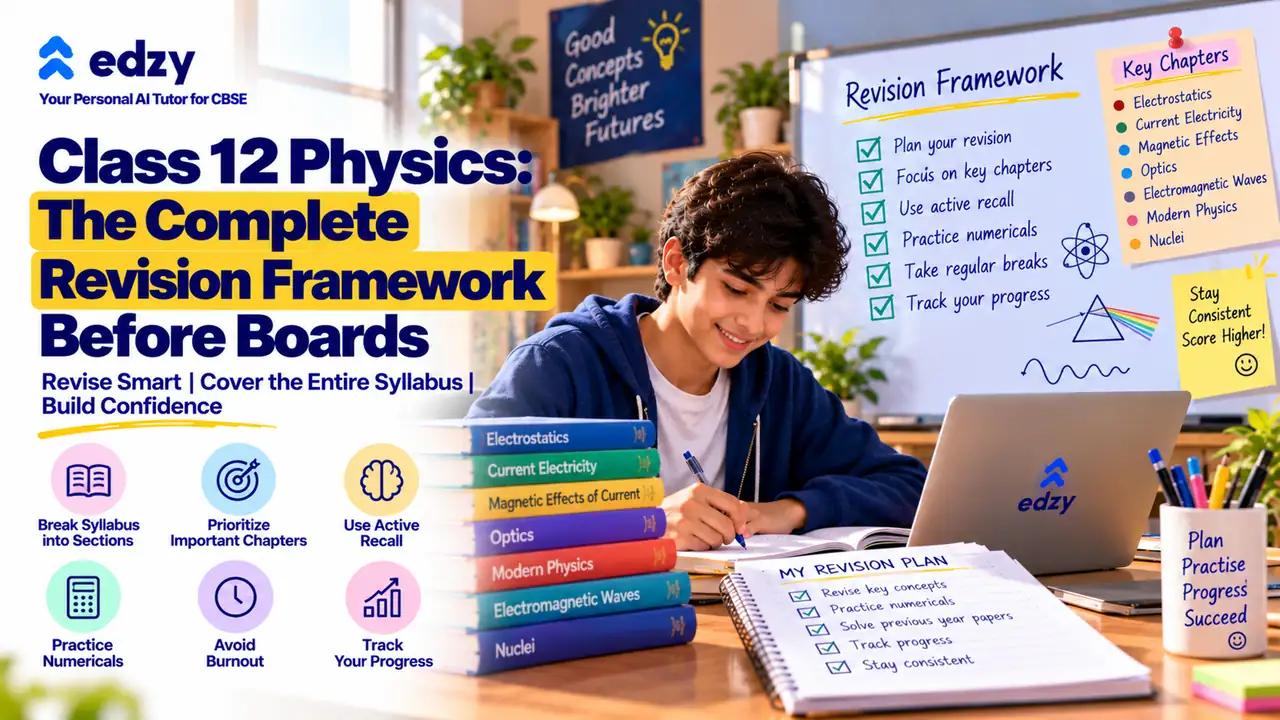
Class 12 Physics: How to Revise Entire Syllabus Before Boards
Mastering the Class 12 Physics syllabus for board exams through efficient revision strategies.
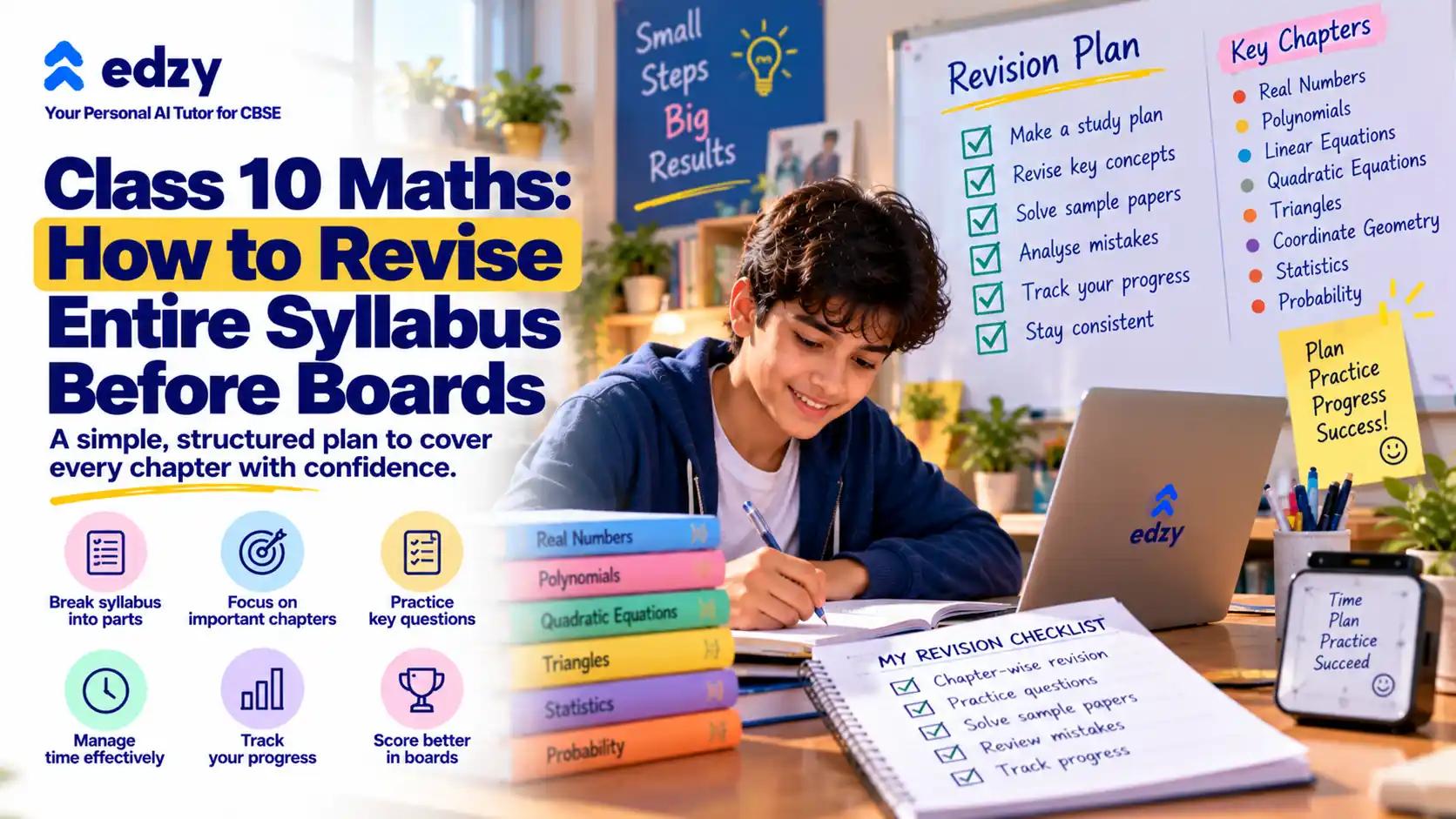
Class 10 Maths: How to Revise Entire Syllabus Before Boards
Mastering the Class 10 Maths syllabus for board exams requires a strategic approach to revision.
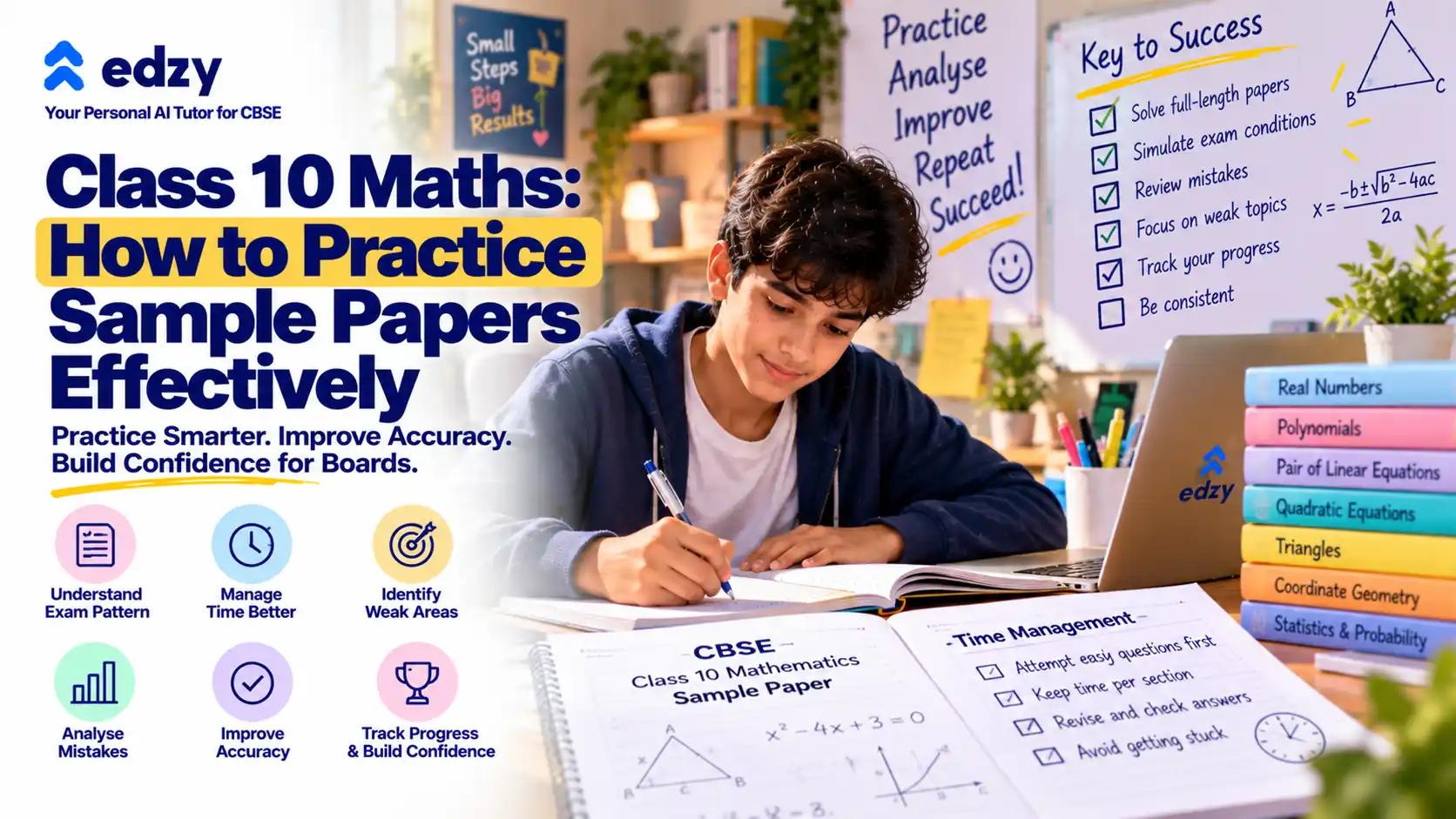
Class 10 Maths: How to Practice Sample Papers Effectively
Mastering sample papers is the key to acing your Class 10 Maths board exams.