
How to Plan CBSE Class 10 Mock Tests Without Exhausting Students
Effective strategies for scheduling mock tests to enhance learning without stress
This blog explores how to effectively plan CBSE Class 10 mock tests, focusing on improving student performance while minimizing stress and burnout.

Gaurav Parashar
@gauravparashar
Listen to this article
How to Plan CBSE Class 10 Mock Tests Without Exhausting Students
Preparing for the CBSE Class 10 board exams can be a daunting task for students and parents alike. One of the most effective ways to gauge readiness and improve performance is through mock tests. However, the challenge lies in scheduling these tests in a manner that enhances learning without overwhelming students. This blog will provide a comprehensive guide on how to plan mock tests effectively, ensuring that they serve as tools for improvement rather than sources of stress.
Purpose of Mock Tests in Board Preparation
Mock tests play a crucial role in the preparation for board exams. They simulate the actual exam environment, allowing students to familiarize themselves with the format and time constraints. This practice can significantly reduce anxiety on exam day. Additionally, mock tests help identify strengths and weaknesses in a student's knowledge and understanding of the syllabus.
For instance, a student may excel in Mathematics but struggle with Science. By taking mock tests, they can pinpoint specific areas that require more focus. Furthermore, these tests encourage students to develop effective time management skills, which are essential during the actual exams.
Ideal Frequency of Mock Exams
Determining the ideal frequency of mock exams is essential to avoid burnout. While regular testing is beneficial, too many tests can lead to fatigue and anxiety. A balanced approach is key. Generally, conducting mock tests every two to three weeks is advisable, especially in the months leading up to the board exams.
For example, if a student plans to take ten mock tests before the exams, spacing them out allows for adequate revision time in between. This schedule provides opportunities for students to review their performance, understand their mistakes, and implement corrective measures without feeling overwhelmed.
Full-length vs Sectional Tests
Another important consideration is whether to conduct full-length mock tests or sectional tests. Full-length tests mimic the actual exam experience, covering the entire syllabus and helping students practice time management. However, sectional tests can be equally beneficial, focusing on specific subjects or topics.
For instance, if a student struggles with a particular chapter in Science, a sectional test can provide targeted practice. Moreover, alternating between full-length and sectional tests can keep the preparation dynamic and engaging, preventing monotony.
Analyzing Results Beyond Marks
One of the most critical aspects of mock tests is analyzing the results beyond just the marks obtained. While scores are important, understanding the reasoning behind mistakes is crucial for improvement. Encourage students to review their answers thoroughly, identifying patterns in their errors.
For example, if a student consistently makes calculation errors in Mathematics, it may indicate a need for more practice in that area. Teachers and parents can assist by discussing the results with students, helping them to develop strategies for improvement. This reflective practice fosters a growth mindset, encouraging students to view mistakes as learning opportunities.
Using Mistakes as Learning Tools
Mistakes should not be viewed negatively; instead, they should be embraced as valuable learning tools. After each mock test, students should be encouraged to create a 'mistake log' where they document errors and the correct solutions. This practice not only reinforces learning but also builds confidence as students see their progress over time.
For instance, if a student realizes they misinterpreted a question in English, they can focus on improving their comprehension skills. This proactive approach to learning from mistakes can significantly enhance their performance in subsequent tests.
Avoiding Burnout and Test Fatigue
Burnout is a real concern for students, especially during intense preparation periods. To avoid this, it is essential to create a balanced study schedule that incorporates breaks and leisure activities. Encourage students to engage in hobbies, sports, or relaxation techniques to recharge their minds.
For example, after a mock test, a student might take a day off to relax and engage in their favorite activities. This balance not only helps in maintaining motivation but also enhances overall well-being, making students more effective learners.
Parent and Teacher Expectations
Parents and teachers play a vital role in shaping students' attitudes towards mock tests. It is essential for both parties to set realistic expectations and provide support rather than pressure. Open communication about performance and progress can help alleviate stress.
For instance, instead of focusing solely on scores, parents can celebrate improvements in understanding or effort. This positive reinforcement encourages students to adopt a healthier mindset towards testing and learning.
Creating a Balanced Mock Test Plan
To create a balanced mock test plan, begin by assessing the syllabus and identifying key topics that require focus. Collaborate with teachers to determine the best times for mock tests, considering school schedules and other commitments.
A sample mock test plan might look like this:
Week 1: Full-length Mathematics test
Week 3: Sectional Science test (Physics)
Week 5: Full-length English test
Week 7: Sectional Social Science test (History)
Week 9: Full-length mock test covering all subjects
This plan allows for a mix of full-length and sectional tests while providing ample time for revision and relaxation. Adjustments can be made based on student performance and feedback.
In conclusion, planning mock tests for CBSE Class 10 students requires a thoughtful approach that prioritizes learning and well-being. By focusing on the purpose of mock tests, analyzing results, and maintaining a balanced schedule, students can prepare effectively for their board exams without the risk of burnout. With the right strategies in place, mock tests can become a source of confidence and growth rather than fear.
Suggested blogs

How to Manage Time During a 3-Hour Exam
Mastering time management for a successful exam experience.

How to Check Your Answers Properly in Exams
Mastering the art of answer checking to secure every mark in CBSE exams.

How to Improve Your Speed in Solving Questions Before Exams
Mastering speed in question-solving is crucial for CBSE students aiming for high marks.
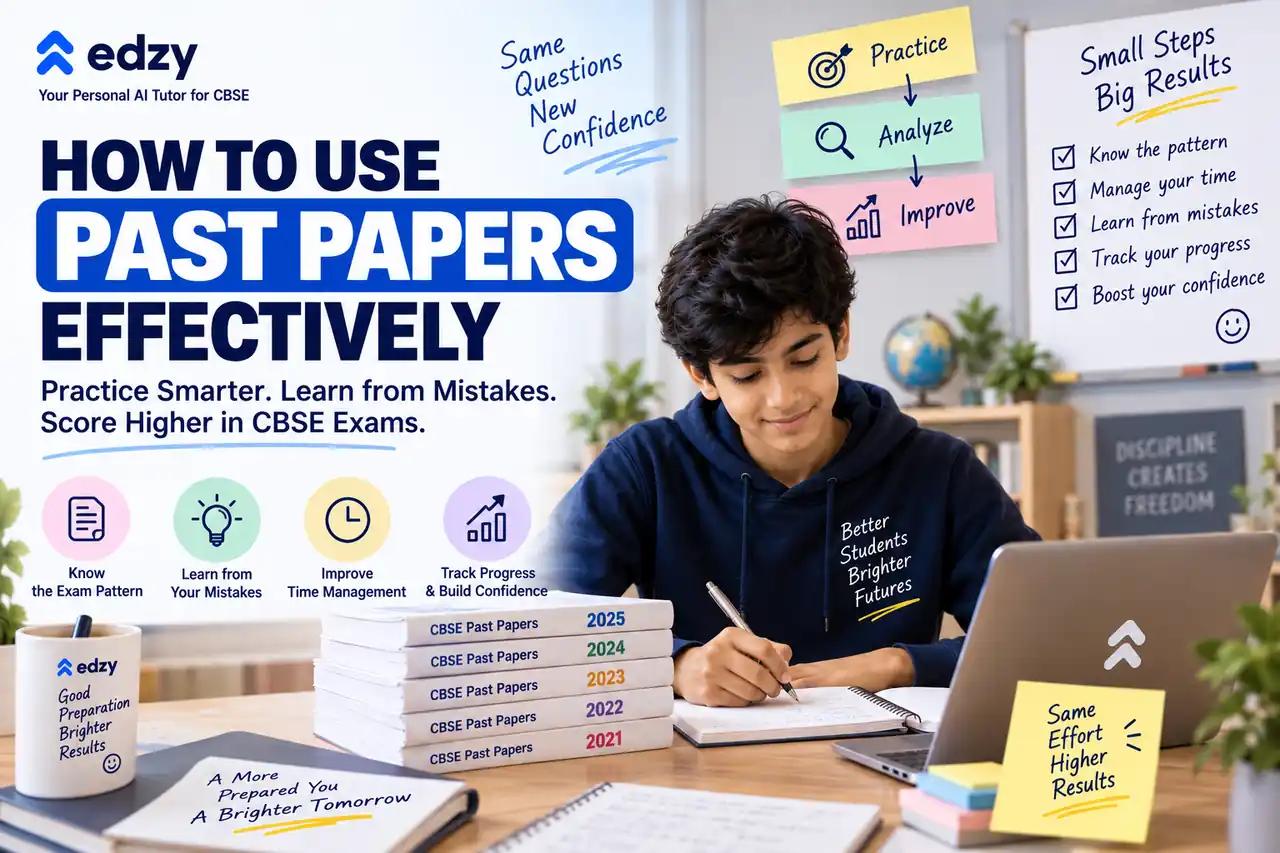
How to Use Past Year Papers the Right Way
Mastering past papers transforms passive practice into effective learning for CBSE students.