
The Right Way to Practice Questions (Most Students Do It Wrong)
Master the art of effective question practice for better learning outcomes.
This blog explores effective question practice techniques for CBSE/NCERT students, helping them improve understanding and exam readiness.

Gaurav Parashar
@gauravparashar
Listen to this article
The Right Way to Practice Questions (Most Students Do It Wrong)
For students in classes 6 to 12, mastering the art of question practice is essential for academic success. Many students believe that simply solving a large number of questions is the key to improving their scores. However, this approach often leads to frustration and confusion. In this blog, we will explore the right way to practice questions, ensuring that students not only improve their understanding but also enhance their exam readiness.
Why Practice Alone Doesn’t Work
Many students approach their studies with the mindset that practice makes perfect. While practice is undoubtedly important, it is not the only factor that contributes to learning. Simply solving questions without a clear strategy can lead to superficial understanding and retention issues.
One of the primary reasons practice alone doesn’t work is that students often fail to understand the underlying concepts. For example, a student might solve a series of math problems but not grasp the fundamental principles behind them. This lack of conceptual clarity can result in difficulties when faced with new or complex problems in exams.
Additionally, practicing without reflection can lead to repeated mistakes. If a student solves a question incorrectly but does not take the time to analyze why their answer was wrong, they are likely to make the same mistake again. This cycle of error can be discouraging and counterproductive.
The Wrong Way Students Solve Questions
Many students fall into the trap of rote learning, where they memorize answers without understanding the processes involved. This method is particularly common in subjects like mathematics and science, where problem-solving skills are crucial. For instance, a student might memorize the steps to solve a quadratic equation but struggle to apply those steps in a different context.
Another common mistake is focusing solely on quantity over quality. Students often believe that the more questions they solve, the better prepared they will be. However, this approach can lead to burnout and a lack of genuine understanding. For example, a student might complete a hundred practice questions in a week but still feel unprepared for an upcoming exam.
Moreover, many students neglect to review their answers. After completing a set of questions, they may move on to the next topic without reflecting on their performance. This lack of review means that they miss out on valuable learning opportunities and fail to identify areas where they need improvement.
Learning from Mistakes
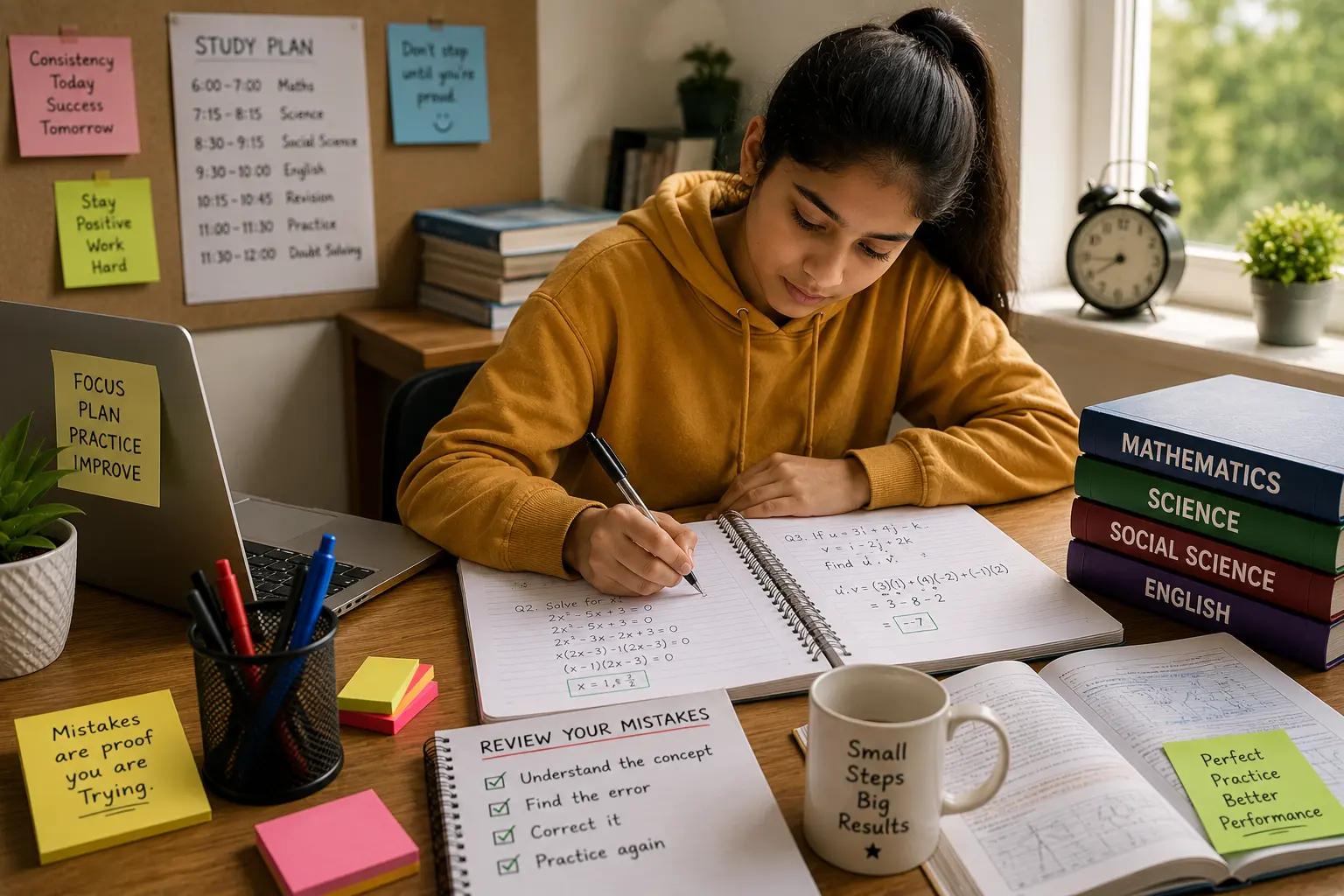
One of the most effective ways to enhance learning is to learn from mistakes. When students encounter errors in their work, it is essential to take the time to analyze what went wrong. This process not only helps in correcting the mistake but also reinforces the correct concepts.
For instance, if a student solves a physics problem incorrectly, they should revisit the question and identify the specific step where they went wrong. Was it a misunderstanding of the formula? Did they misinterpret the question? By pinpointing the error, they can avoid making the same mistake in the future.
Additionally, students should keep a mistake journal. This journal can be a valuable resource for tracking errors and understanding patterns in their mistakes. By reviewing this journal regularly, students can gain insights into their learning process and make necessary adjustments to their study habits.
Practicing with Feedback
Feedback is a crucial component of effective learning. When students practice questions, they should seek feedback from teachers, peers, or even educational platforms like Edzy. This feedback can provide valuable insights into their performance and highlight areas for improvement.
For example, after completing a set of practice questions, a student can discuss their answers with a teacher. The teacher can provide guidance on the correct approach and clarify any misconceptions. This interaction not only helps the student correct their errors but also deepens their understanding of the subject matter.
Moreover, online platforms often provide instant feedback on practice questions. For instance, Edzy offers features that allow students to receive immediate feedback on their answers, helping them learn in real-time. This immediate correction can significantly enhance the learning experience.
Understanding Patterns in Errors
Recognizing patterns in errors is an essential skill for students. By analyzing the types of mistakes they make, students can identify specific areas where they need to focus their efforts. For example, a student might notice that they consistently struggle with word problems in mathematics. This realization can prompt them to dedicate more time to practicing similar questions.
Additionally, understanding error patterns can help students develop targeted study strategies. If a student recognizes that they often misinterpret questions, they can practice reading comprehension techniques to improve their understanding. This proactive approach to learning can lead to significant improvements in performance.
Furthermore, students can collaborate with classmates to discuss common mistakes. Group study sessions can be an effective way to share insights and strategies for overcoming challenges. By learning from each other’s experiences, students can enhance their understanding and build a supportive learning community.
Balancing Quantity and Quality
Finding the right balance between quantity and quality in practice is crucial for effective learning. While it is important to solve a sufficient number of questions to gain proficiency, the focus should be on understanding the concepts behind those questions.
For instance, instead of solving fifty similar math problems, a student could focus on twenty problems that challenge their understanding. By selecting questions that require critical thinking and problem-solving skills, students can deepen their comprehension and build confidence in their abilities.
Additionally, students should incorporate a variety of question types into their practice. This diversity can help them develop a well-rounded understanding of the subject. For example, in science, students should practice multiple-choice questions, short answer questions, and long-form explanations to prepare for different exam formats.
Tracking Improvement
Tracking progress is an essential part of the learning process. Students should regularly assess their performance to identify areas of strength and weakness. This assessment can be done through self-quizzes, mock tests, or by reviewing past exam papers.
For instance, a student can take a mock test every month to evaluate their understanding of the material. By comparing their scores over time, they can see how their efforts are paying off and where they need to focus their studies. This practice not only boosts motivation but also helps students stay accountable for their learning.
Moreover, students can use tools like Edzy to track their progress. The platform offers analytics that show performance trends, helping students identify which topics require more attention. This data-driven approach can lead to more effective study strategies and improved outcomes.
Building Exam Readiness
As exams approach, it is crucial for students to build their exam readiness. This preparation involves more than just reviewing notes; it requires a strategic approach to practice. Students should simulate exam conditions by timing themselves while solving practice questions and avoiding distractions.
Additionally, students should focus on exam techniques, such as time management and question prioritization. For example, during an exam, it is often beneficial to tackle easier questions first to build confidence before moving on to more challenging ones. Practicing these techniques during study sessions can help students feel more prepared on exam day.
Furthermore, students should engage in relaxation techniques to manage exam stress. Simple practices like deep breathing or mindfulness can help maintain focus and calm nerves. By incorporating these strategies into their preparation, students can approach exams with a positive mindset.
Conclusion
In conclusion, practicing questions effectively is a skill that can significantly impact a student’s academic success. By understanding the right way to practice, students can improve their comprehension, build confidence, and enhance their exam readiness. It is essential to focus on learning from mistakes, seeking feedback, and balancing quantity with quality in practice.
As students embark on their learning journey, they should remember that the goal is not just to complete questions but to understand the concepts behind them. By adopting these strategies, students can transform their study habits and achieve their academic goals.
Suggested blogs
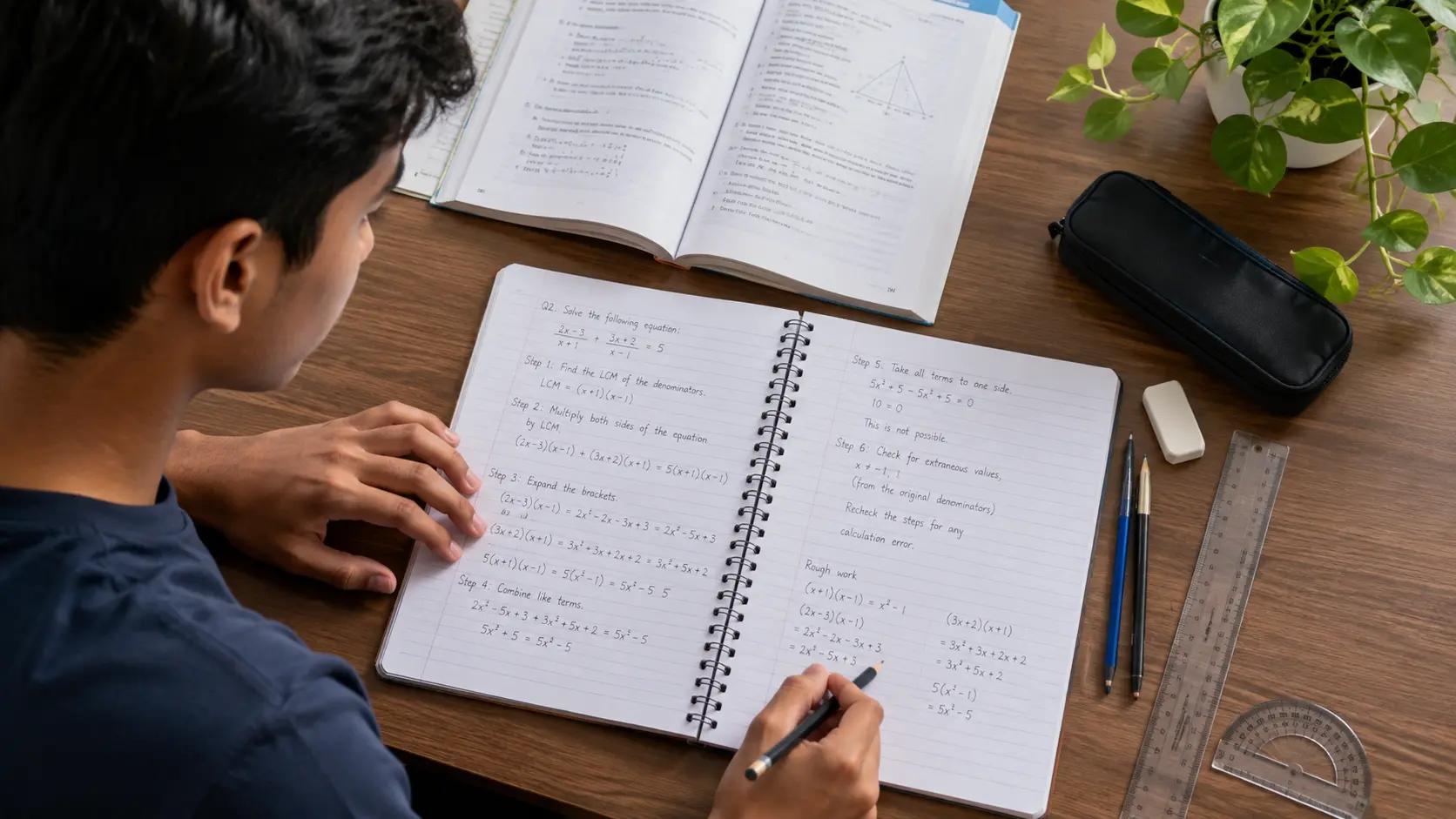
Why You Shouldn’t Skip Steps in Maths (Even If You Know the Answer)
Understanding the importance of step-by-step problem-solving in CBSE Mathematics.

How to Improve Accuracy in Maths Without Extra Practice Hours
Why mastering accuracy is the key to unlocking your true potential in Maths.

How to Revise Formulas in Maths Without Forgetting Them
Mastering math formulas through understanding and practice — a guide for CBSE students.

How to Identify Your Weak Areas in Studies (And Fix Them Fast)
Transforming academic weaknesses into strengths through targeted strategies.