
The Power of Self-Assessment: How to Evaluate Your Learning Progress
Unlock your potential through effective self-assessment strategies.
Discover the importance of self-assessment in mastering CBSE concepts, and learn how to evaluate your learning progress effectively.

Listen to this article
The Power of Self-Assessment: How to Evaluate Your Learning Progress
Self-assessment is a vital skill for students, particularly those preparing for CBSE examinations. It empowers learners to take charge of their education, identify strengths and weaknesses, and ultimately enhance their academic performance. In this blog, we will explore the significance of self-assessment, effective strategies for evaluating your learning progress, and how Edzy’s AI tutor can assist in this journey.
Why Self-Assessment is Crucial for Growth
Self-assessment is more than just a tool for measuring knowledge; it is a pathway to personal growth and academic excellence. By regularly evaluating their understanding of subjects, students can pinpoint areas that require more attention. This proactive approach fosters a sense of responsibility and ownership over one’s learning.
For instance, a student preparing for the Class 10 Mathematics board exam can use self-assessment to identify specific topics, such as geometry or algebra, where they struggle. By focusing their study efforts on these areas, they can improve their overall performance.
Moreover, self-assessment encourages critical thinking. Students learn to analyze their mistakes, understand the reasoning behind correct answers, and develop strategies to avoid similar errors in the future. This reflective practice not only enhances academic skills but also builds confidence.
Using Mock Tests and Quizzes Strategically
One of the most effective ways to conduct self-assessment is through mock tests and quizzes. These tools simulate the exam environment, allowing students to gauge their preparedness and identify gaps in their knowledge. Here’s how to use them effectively:
Schedule Regular Mock Tests: Set aside specific times for mock tests, ideally under exam conditions. This helps students manage time effectively and reduces anxiety on the actual exam day.
Analyze Results Thoroughly: After completing a mock test, students should review their answers critically. Identify which questions were answered incorrectly and understand why.
Focus on Weak Areas: Use the results to create a targeted study plan. If a student consistently struggles with a particular topic, such as trigonometry in Class 11 Mathematics, they should allocate more time to that area.
Utilize Online Quizzes: Platforms like Edzy offer interactive quizzes that adapt to the student’s level, providing instant feedback and explanations for incorrect answers.
Tracking Performance by Topics
Tracking performance by specific topics is essential for effective self-assessment. This method allows students to visualize their progress and adjust their study strategies accordingly. Here are some steps to implement this:
Create a Performance Tracker: Maintain a spreadsheet or a notebook where students can record their scores for each topic. This visual representation helps in recognizing patterns over time.
Set Benchmarks: Establish benchmarks for each topic based on previous performances. For example, if a student scores 70% in physics, they can set a goal to improve to 80% in the next assessment.
Review Regularly: Schedule weekly or bi-weekly reviews of the performance tracker. This practice keeps students accountable and motivated to improve.
How to Use Edzy’s AI Feedback Effectively
Edzy’s AI tutor provides personalized feedback that can significantly enhance self-assessment efforts. Here’s how to leverage this technology:
Engage with AI Feedback: After completing quizzes or assignments, students should carefully read the feedback provided by Edzy. This feedback often highlights common mistakes and offers suggestions for improvement.
Ask Questions: If students are unclear about the feedback, they should not hesitate to ask questions. Engaging with the AI can clarify doubts and deepen understanding.
Incorporate Suggestions: Use the feedback to adjust study habits. For example, if the AI suggests focusing on specific types of problems in chemistry, students should prioritize those in their study sessions.
Correcting Errors the Right Way
Mistakes are an integral part of the learning process. However, how students respond to their errors can make a significant difference in their academic journey. Here are some effective strategies for correcting errors:
Understand the Mistake: Rather than simply noting the correct answer, students should take time to understand why their answer was incorrect. This understanding is crucial for preventing similar mistakes in the future.
Practice Similar Problems: After identifying a mistake, students should practice similar problems to reinforce their understanding. For instance, if a student struggles with solving quadratic equations, they should work on additional problems until they feel confident.
Seek Help When Needed: If a student consistently makes the same errors, it may be beneficial to seek help from teachers or peers. Collaborative learning can provide new insights and strategies.
Recognizing Patterns in Mistakes
Recognizing patterns in mistakes is a powerful self-assessment tool. By identifying recurring errors, students can gain deeper insights into their learning processes. Here’s how to do it:
Review Mistakes Regularly: Set aside time to review past assessments and quizzes. Look for common themes in the mistakes made. Are they primarily conceptual errors, calculation mistakes, or misinterpretations of questions?
Group Similar Errors: Categorize mistakes into groups. For example, if a student frequently miscalculates in geometry, they can focus on improving their calculation skills.
Adjust Study Techniques: Use the insights gained from recognizing patterns to adjust study techniques. If a student realizes they struggle with application-based questions, they can practice more of those types of problems.
Setting Improvement Goals
Setting specific, measurable, achievable, relevant, and time-bound (SMART) goals is essential for effective self-assessment. Here’s how to set improvement goals:
Identify Areas for Improvement: Based on self-assessment results, students should identify specific areas where they want to improve. For example, if a student wants to enhance their writing skills in English, that becomes a focal point.
Set Clear Objectives: Instead of vague goals like “I want to do better in math,” a student could set a goal to “score at least 85% in the next math test.”
Monitor Progress: Regularly check progress towards the goals set. This can be done through self-reflection or by discussing progress with a teacher or tutor.
Building Confidence Through Self-Review
Self-assessment not only helps in identifying areas for improvement but also plays a crucial role in building confidence. Here are some ways to cultivate confidence through self-review:
Celebrate Small Wins: Acknowledge and celebrate improvements, no matter how small. This positive reinforcement boosts motivation and confidence.
Reflect on Growth: Regularly reflect on how far you’ve come. Reviewing past performances can highlight progress and reinforce the belief that improvement is possible.
Stay Positive: Maintain a positive mindset. Self-assessment should be viewed as a tool for growth rather than a source of stress.
In conclusion, self-assessment is a powerful tool for students aiming to excel in their studies. By evaluating their learning progress, utilizing mock tests, tracking performance, and leveraging Edzy’s AI feedback, students can take control of their educational journey. Remember, the key to success lies in recognizing areas for improvement, correcting errors effectively, and building confidence through self-review. Embrace the power of self-assessment and unlock your full potential.
Suggested blogs
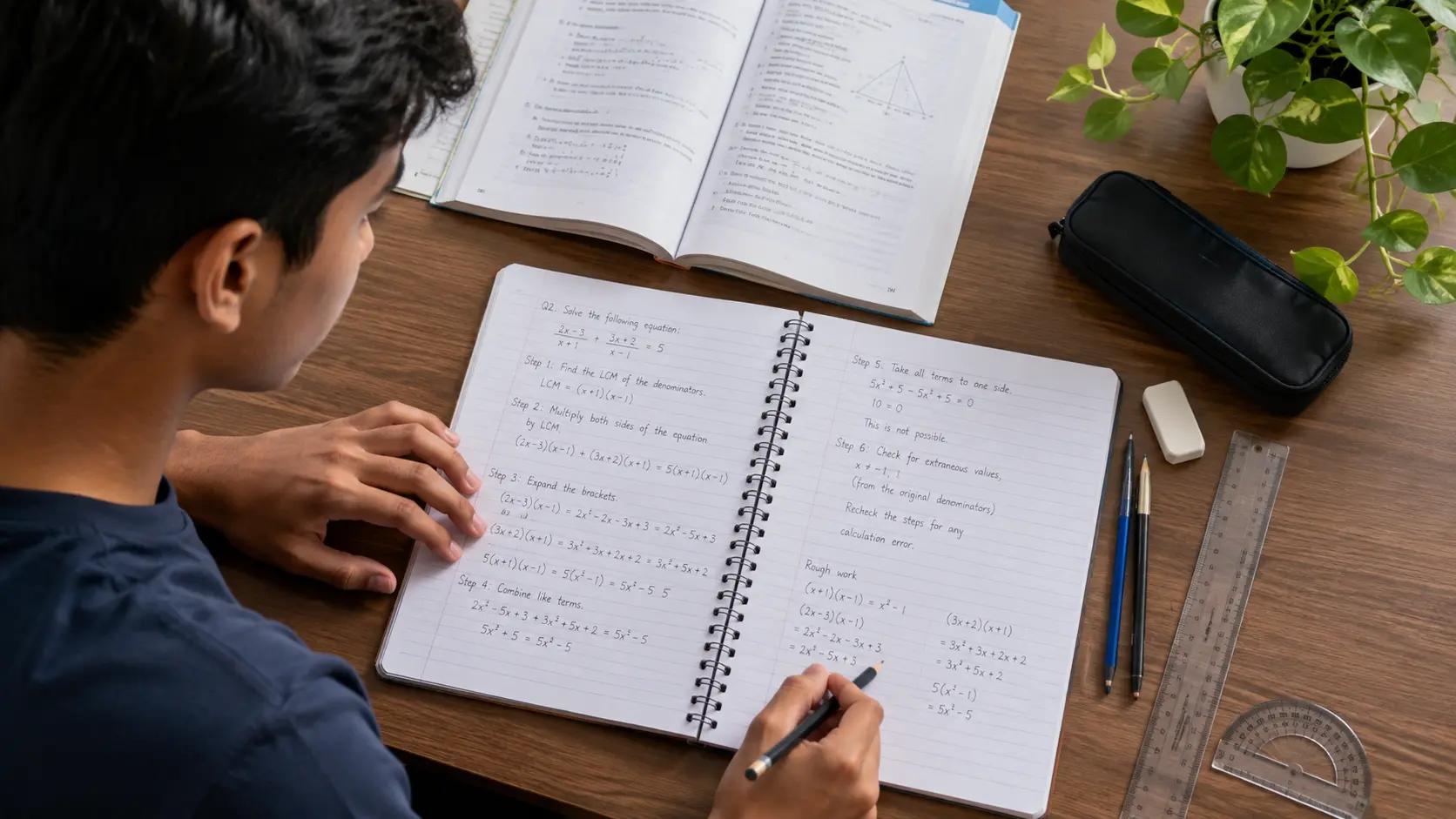
Why You Shouldn’t Skip Steps in Maths (Even If You Know the Answer)
Understanding the importance of step-by-step problem-solving in CBSE Mathematics.

How to Improve Accuracy in Maths Without Extra Practice Hours
Why mastering accuracy is the key to unlocking your true potential in Maths.
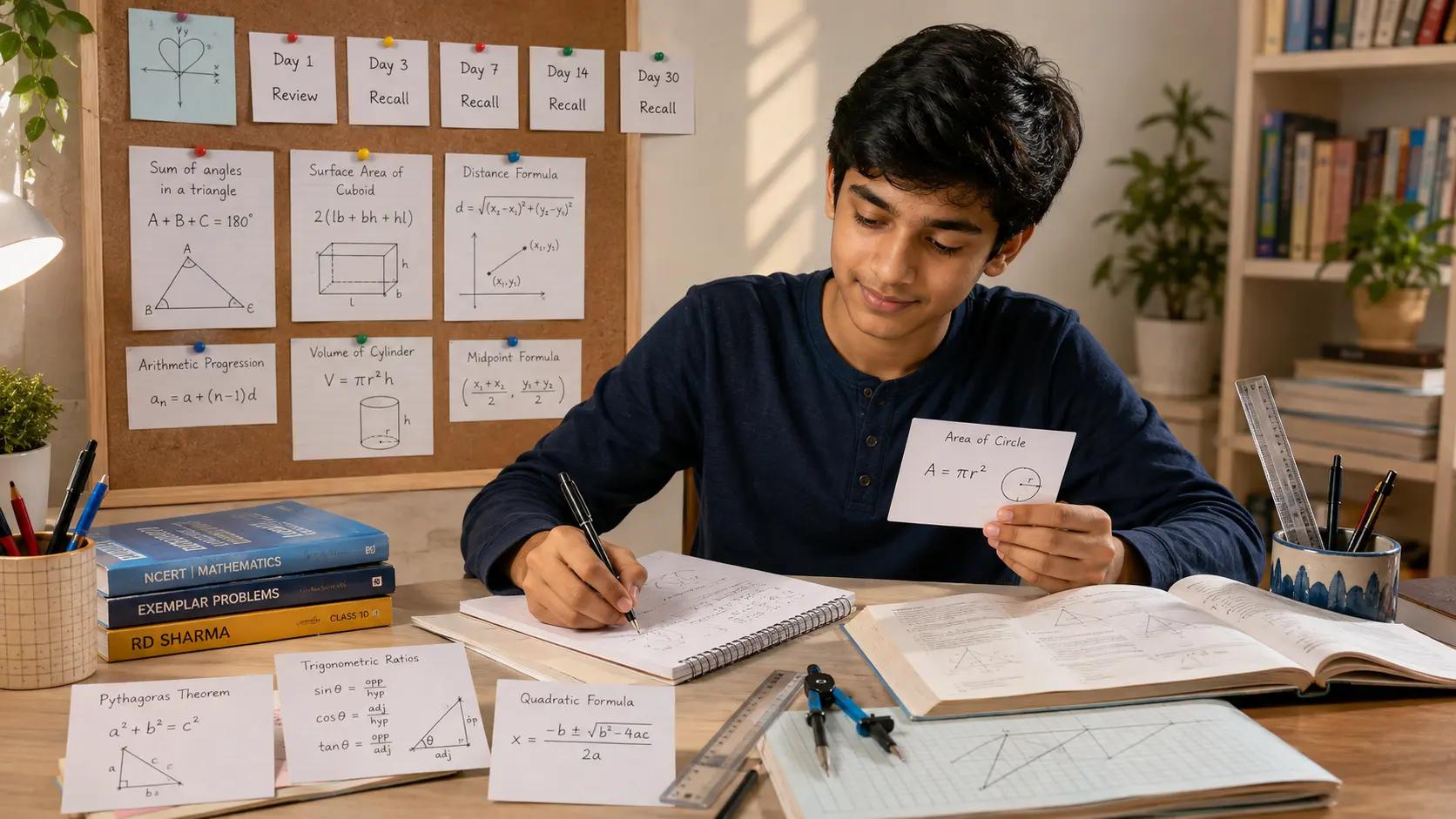
How to Revise Formulas in Maths Without Forgetting Them
Mastering math formulas through understanding and practice — a guide for CBSE students.

How to Identify Your Weak Areas in Studies (And Fix Them Fast)
Transforming academic weaknesses into strengths through targeted strategies.