
CBSE Enforces Prohibition on Distribution of Question Papers Before Examination Completion
New Guidelines Aim to Enhance Examination Integrity and Fairness
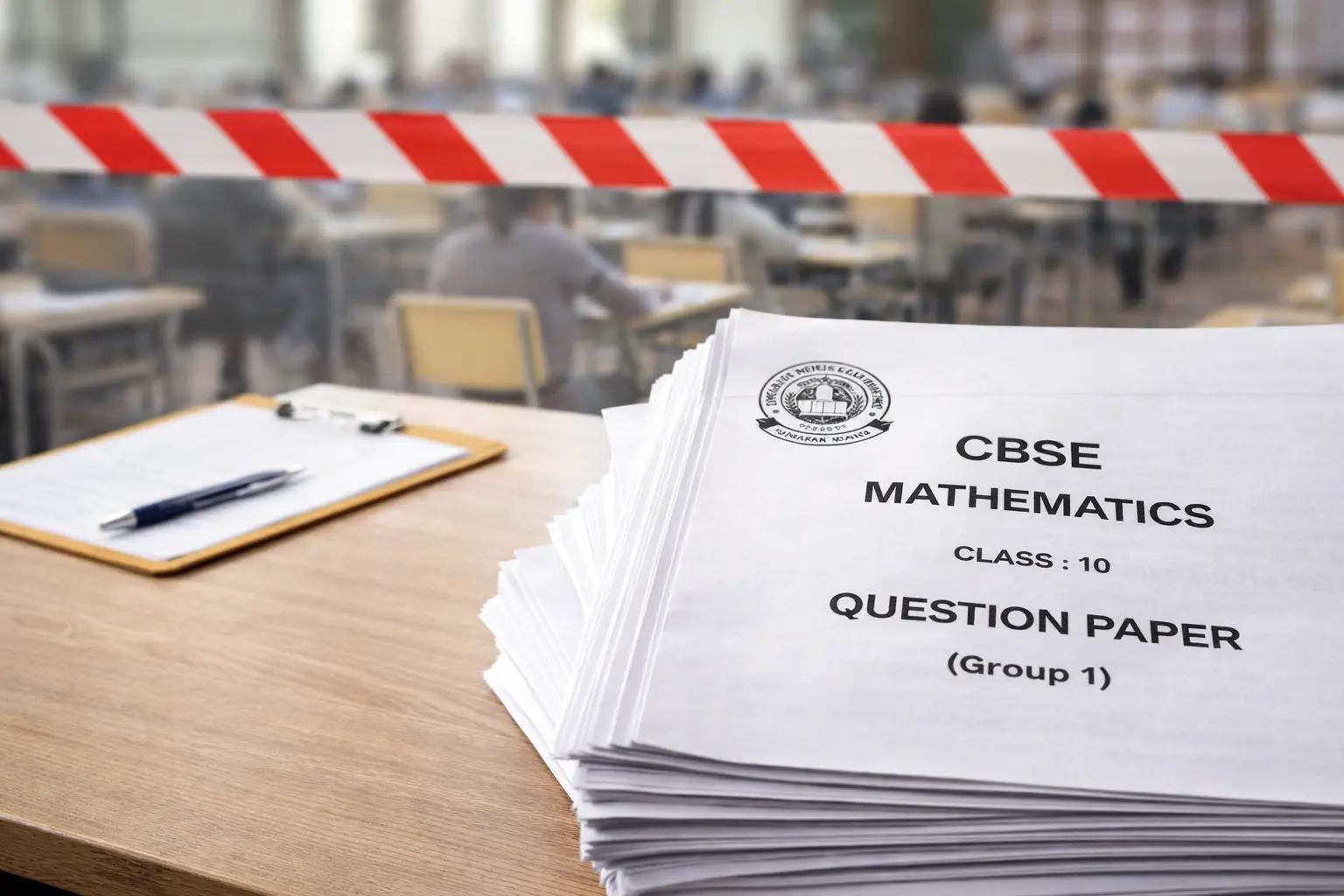
The Central Board of Secondary Education (CBSE) has issued a directive prohibiting the distribution of question papers before the completion of examinations, ensuring a fair assessment environment for all students.
Listen to this article
CBSE Enforces Prohibition on Distribution of Question Papers Before Examination Completion
Introduction
The Central Board of Secondary Education (CBSE) has taken a significant step towards maintaining the integrity of the examination process by enforcing a prohibition on the distribution of question papers before the completion of examinations. This directive, issued on March 30, 2026, aims to ensure that all students are assessed fairly and equally, without any undue advantage to certain candidates.
Understanding the Directive
The recent announcement by CBSE comes in response to growing concerns regarding examination malpractice and the need for a more controlled examination environment. By prohibiting the distribution of question papers prior to the completion of the examination, CBSE aims to mitigate the risks associated with leaks and unauthorized sharing of exam content.
Key Highlights of the Directive
Prohibition Scope: The directive explicitly states that no question papers should be distributed to students or any other parties until the examination is officially concluded.
Implementation Timeline: The new guidelines are effective immediately, ensuring that all upcoming examinations adhere to this rule.
Compliance Measures: Schools and examination centers are required to implement strict compliance measures to ensure that the directive is followed without exception.
Consequences of Non-Compliance: Institutions found violating this directive may face penalties, including the possibility of disqualification from conducting future examinations.
Implications for Students and Educators
This directive has far-reaching implications for both students and educators. Here’s how:
For Students
Level Playing Field: By ensuring that all students receive the same question paper at the same time, the directive promotes fairness in the examination process.
Reduced Anxiety: Students can focus on their preparation without the fear of leaks or unfair advantages being given to others.
Encouragement of Genuine Efforts: With a more secure examination environment, students are encouraged to rely on their own knowledge and preparation rather than seeking shortcuts.
For Educators
Enhanced Responsibility: Educators and examination coordinators will need to take on greater responsibility in ensuring compliance with the new guidelines.
Focus on Quality Teaching: With less emphasis on exam leaks and malpractices, educators can focus more on delivering quality education and preparing students effectively.
Training and Awareness: Schools will need to conduct training sessions for staff to ensure everyone understands the new regulations and their importance.
Challenges Ahead
While the directive is a positive step towards enhancing examination integrity, there are challenges that schools and examination bodies may face in its implementation:
Awareness and Training: Ensuring that all stakeholders, including teachers, students, and administrative staff, are aware of the new rules and understand their importance will require effective communication and training strategies.
Monitoring Compliance: Schools will need to establish robust monitoring systems to ensure adherence to the directive, which may require additional resources and training.
Resistance to Change: Some institutions may resist changes to established practices, necessitating a cultural shift towards prioritizing examination integrity.
Conclusion
The CBSE's prohibition on the distribution of question papers before examination completion is a commendable move towards ensuring a fair and equitable assessment process for all students. By addressing the issue of examination malpractice, CBSE is taking a proactive approach to uphold the integrity of the education system. As schools and educators work to implement these new guidelines, it is essential to foster an environment that prioritizes genuine learning and assessment over shortcuts and unfair advantages.
Looking Ahead
As we move forward, it will be interesting to observe how these changes impact the overall examination culture in Indian schools. The focus should remain on creating a supportive environment where students can thrive based on their efforts and knowledge. The CBSE's commitment to maintaining high standards in education is a step in the right direction, and it is crucial for all stakeholders to embrace these changes for the betterment of the educational landscape.
FAQs
1. What should schools do to comply with the new directive?
Schools should implement strict protocols to ensure that question papers are not distributed before the examination is completed. This includes training staff, monitoring examination rooms, and ensuring that all procedures are followed diligently.
2. How will this directive affect students' exam preparation?
This directive is likely to reduce anxiety among students, as they can focus on their studies without worrying about potential leaks or unfair advantages. It encourages genuine preparation and effort.
3. What are the consequences for schools that do not comply?
Schools that fail to comply with the directive may face penalties, including disqualification from conducting future examinations, which can significantly impact their reputation and operations.
Related News

Prior Intimation of Submission of List of Candidates for Class X/XII Examination 2026-27

CBSE Skill Expo and Guidance Festival 2026-27: Venue Details Announced
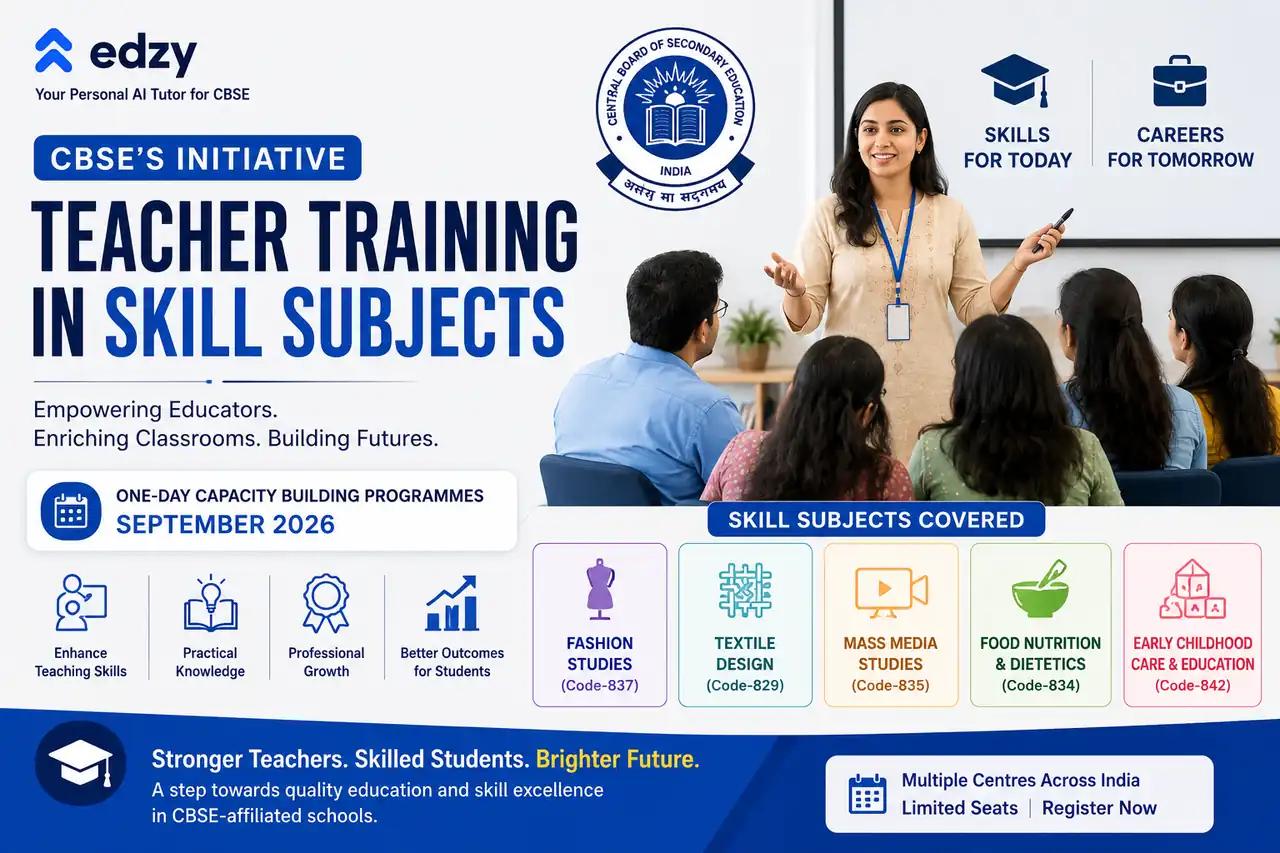
CBSE Organizes One-Day Teacher Training for Skill Subjects in September 2026

KVS/NVS Recruitment Drive 2025: Tier-II Results Declared