
How to Study at Home Effectively Without a Tutor
Master self-study techniques for academic success
Explore effective self-study strategies for CBSE/NCERT students to excel academically without the need for a tutor.


Gaurav Parashar
@gauravparashar
Listen to this article
How to Study at Home Effectively Without a Tutor
In today's fast-paced educational environment, many students find themselves needing to study independently. Whether due to the absence of a tutor or the desire for self-directed learning, mastering the art of studying at home can be a game-changer. This comprehensive guide will explore various strategies to help students from classes 6 to 12 effectively study at home without a tutor.
Challenges of Studying Alone
Studying alone can present unique challenges that may hinder a student's ability to learn effectively. One of the primary challenges is the lack of immediate feedback. In a traditional classroom setting, students can ask questions and receive instant clarification from teachers. However, when studying alone, this interaction is absent, which can lead to confusion and frustration.
Another challenge is the potential for distractions. Home environments are often filled with interruptions, whether from family members, electronic devices, or household chores. These distractions can significantly reduce a student’s focus and productivity.
Additionally, self-discipline is crucial when studying alone. Without a tutor or teacher to enforce a schedule, students may struggle to maintain a consistent study routine. This lack of structure can lead to procrastination and ineffective study habits. For students who need more structure and guided support, enrolling in an online school for CBSE students can provide the accountability and curriculum framework that independent study sometimes lacks.
Creating a Focused Environment
To overcome the challenges of studying alone, it is essential to create a focused study environment. Here are some tips to help students establish an effective study space:
Choose a quiet location: Select a space in your home that is free from noise and distractions. This could be a dedicated study room, a corner of your bedroom, or even a local library.
Organize your materials: Keep all your study materials, such as textbooks, notebooks, and stationery, organized and within reach. This will minimize the time spent searching for resources and help maintain focus.
Limit digital distractions: Turn off notifications on your phone or use apps that block distracting websites during study sessions. Consider using tools like the Pomodoro Technique, which encourages focused work intervals followed by short breaks.
Personalize your space: Add elements that inspire you, such as motivational quotes, a vision board, or a comfortable chair. A personalized study space can enhance your motivation and make studying more enjoyable.
Planning Your Study Sessions
Effective study planning is crucial for maximizing productivity. Here are steps to create a structured study plan:
Set clear goals: Define what you want to achieve in each study session. For example, aim to complete a chapter, solve a set of math problems, or revise a specific topic.
Create a timetable: Develop a weekly study schedule that allocates specific time slots for each subject. Be realistic about how much time you can dedicate to studying each day.
Prioritize subjects: Focus on subjects that require more attention or those that you find challenging. For instance, if you struggle with mathematics, allocate more time to practice and review.
Include breaks: Schedule short breaks between study sessions to recharge your mind. This can help improve concentration and prevent burnout.
By planning your study sessions effectively, you can create a balanced approach that ensures all subjects receive adequate attention.
Using Interactive Learning Tools
Incorporating interactive learning tools can enhance the self-study experience. Here are some effective resources:
Online platforms: Websites like Edzy offer gamified learning experiences that make studying engaging and fun. These platforms often include quizzes, interactive lessons, and progress tracking.
Educational apps: Utilize apps that focus on specific subjects, such as math or science. Many apps provide practice problems, flashcards, and video tutorials to reinforce learning.
YouTube channels: There are numerous educational YouTube channels that cover CBSE/NCERT syllabus topics. These channels often provide visual explanations that can help clarify complex concepts.
Study groups: Consider forming virtual study groups with classmates. This allows for collaborative learning, where students can discuss topics, share resources, and help each other with difficult subjects.
By leveraging these interactive tools, students can make their study sessions more dynamic and effective.
Tracking Your Progress
Monitoring progress is essential for self-study. Here are ways to track your learning journey:
Maintain a study journal: Document your daily study activities, including topics covered and time spent on each subject. This will help you identify patterns in your study habits and areas that need improvement.
Set milestones: Break down larger goals into smaller milestones. For example, if you aim to complete a chapter, set a milestone for finishing each section within a specific timeframe.
Regular self-assessments: Take practice tests or quizzes to evaluate your understanding of the material. This will not only reinforce learning but also highlight areas that require further review.
Tracking progress helps students stay accountable and motivated, ensuring they remain on the right path toward their academic goals.
Staying Motivated
Maintaining motivation can be challenging when studying alone. Here are some strategies to keep your spirits high:
Set rewards: Create a reward system for yourself. After completing a study session or achieving a milestone, treat yourself to something enjoyable, like watching your favorite show or having a snack.
Visualize success: Imagine the positive outcomes of your hard work, such as good grades or mastering a difficult subject. Visualization can boost motivation and reinforce your commitment to studying.
Stay connected: Engage with friends or family members who support your academic goals. Sharing your progress and challenges with them can provide encouragement and accountability.
By implementing these motivational strategies, students can cultivate a positive mindset that fosters effective learning.
Handling Doubts Independently
Encountering doubts and questions is a natural part of the learning process. Here are ways to address doubts independently:
Utilize online resources: When faced with a question, search for answers using reliable online resources. Websites like Khan Academy and educational forums can provide valuable insights.
Refer to textbooks: Often, textbooks contain explanations and examples that can clarify doubts. Take the time to read through the relevant sections carefully.
Practice problem-solving: If you encounter difficulties in subjects like math or science, practice similar problems to reinforce your understanding. This hands-on approach can help solidify concepts.
By developing the ability to handle doubts independently, students can build resilience and confidence in their learning abilities.
Building Confidence in Self-Study
Confidence is key to successful self-study. Here are strategies to build confidence in your abilities:
Celebrate achievements: Acknowledge your accomplishments, no matter how small. Celebrating progress can reinforce a positive self-image and boost confidence.
Embrace challenges: View challenges as opportunities for growth. When faced with difficult topics, approach them with a positive mindset, knowing that overcoming obstacles will enhance your skills.
Seek feedback: If possible, share your work with teachers or peers for feedback. Constructive criticism can help you identify areas for improvement and validate your strengths.
By focusing on building confidence, students can enhance their self-study experience and achieve academic success.
In conclusion, studying at home effectively without a tutor is entirely achievable with the right strategies and mindset. By creating a focused environment, planning study sessions, utilizing interactive tools, tracking progress, staying motivated, handling doubts independently, and building confidence, students can thrive in their academic pursuits. Embrace the journey of self-study, and remember that every step taken is a step toward success.
Suggested blogs
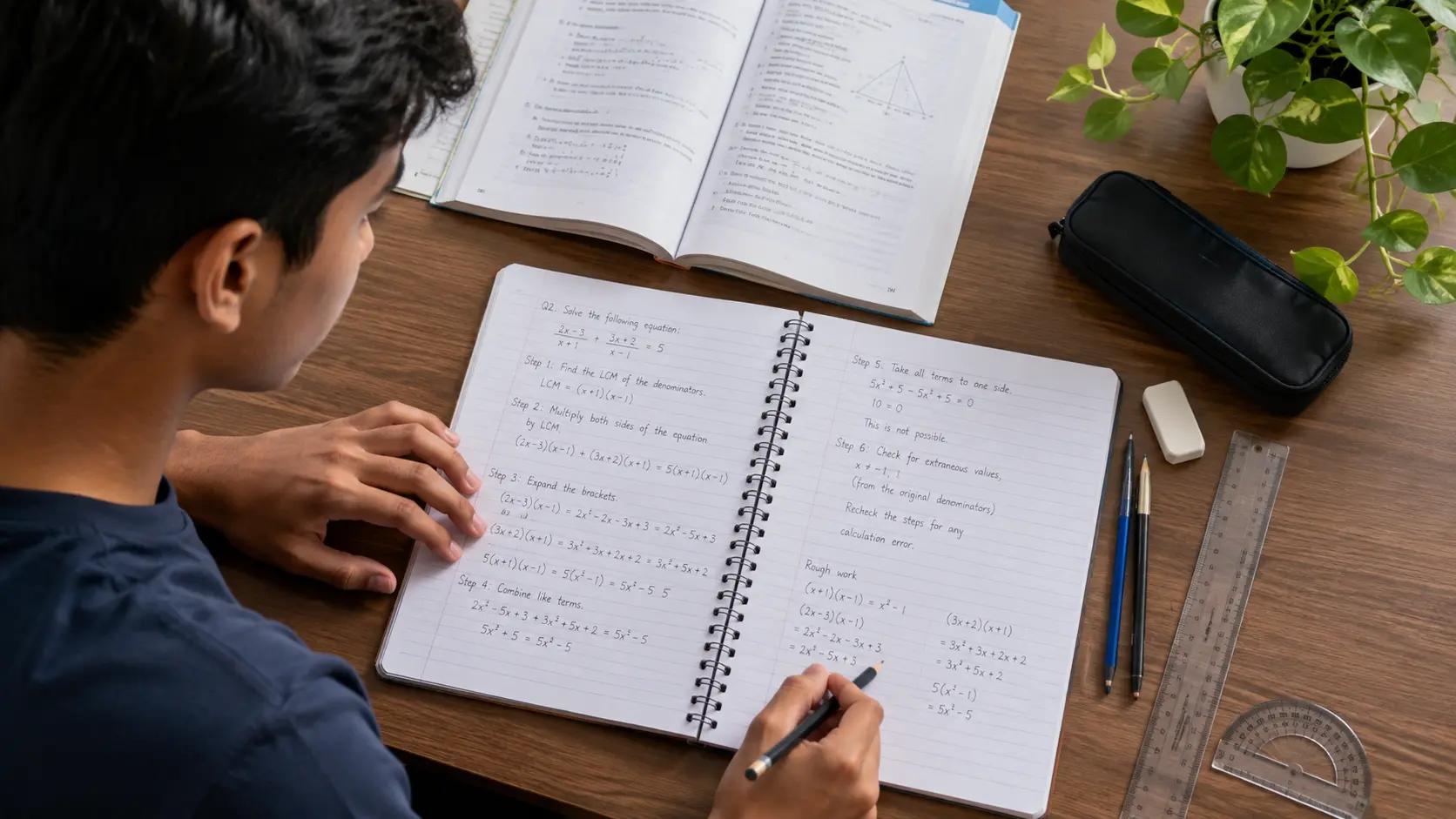
Why You Shouldn’t Skip Steps in Maths (Even If You Know the Answer)
Understanding the importance of step-by-step problem-solving in CBSE Mathematics.

How to Improve Accuracy in Maths Without Extra Practice Hours
Why mastering accuracy is the key to unlocking your true potential in Maths.
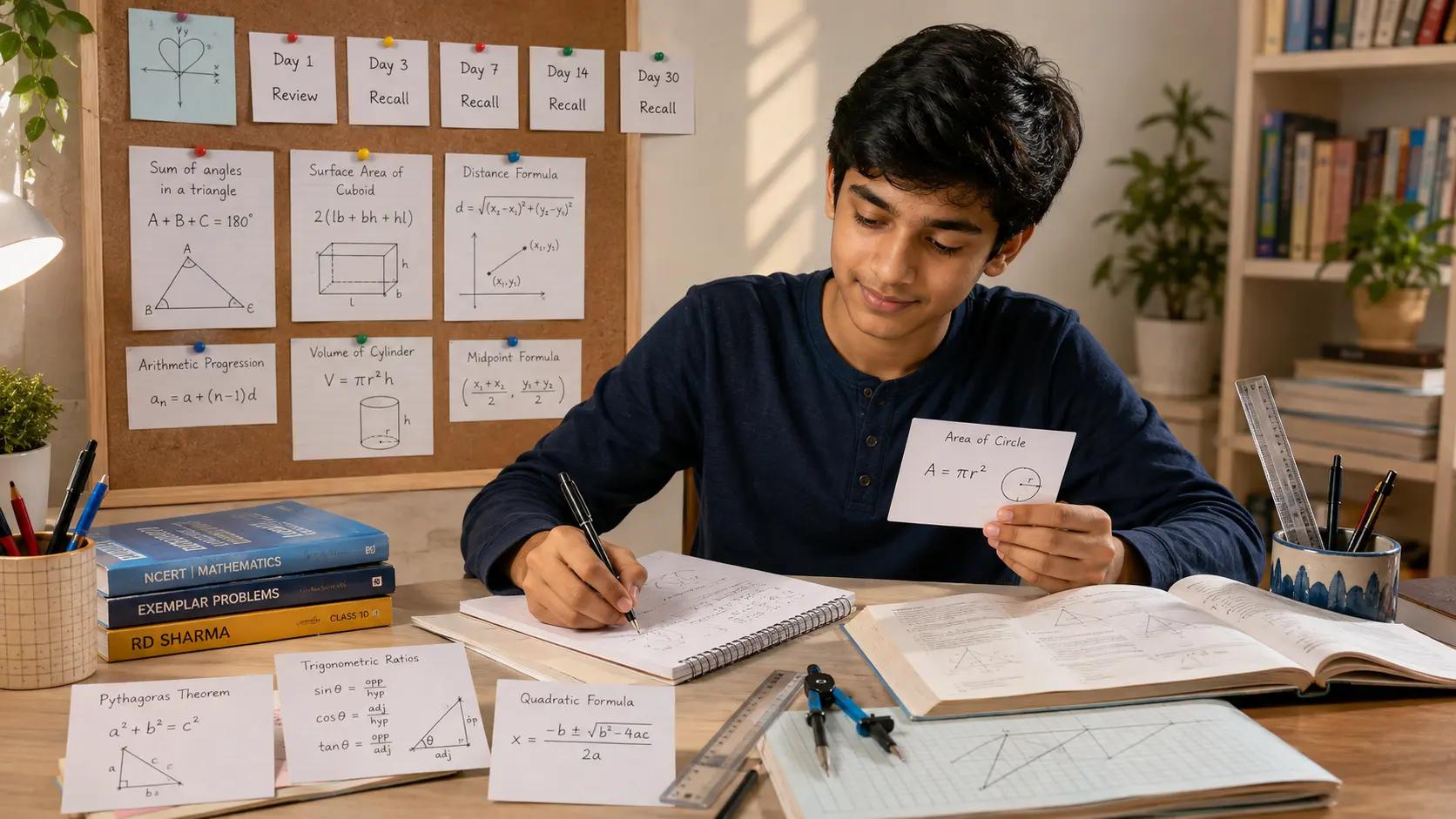
How to Revise Formulas in Maths Without Forgetting Them
Mastering math formulas through understanding and practice — a guide for CBSE students.

How to Identify Your Weak Areas in Studies (And Fix Them Fast)
Transforming academic weaknesses into strengths through targeted strategies.