
How to Finish Your Syllabus on Time Without Last-Minute Stress
Master your syllabus completion strategy to avoid panic and excel in exams.
Students often struggle to complete their syllabus on time, leading to last-minute stress before exams. This blog introduces the Syllabus Completion Framework, a structured approach to help students manage their study time effectively. Readers will learn how to set realistic goals, balance schoolwork with self-study, and track their progress to finish strong before exams.


Gaurav Parashar
@gauravparashar
Listen to this article
How to Finish Your Syllabus on Time Without Last-Minute Stress
Why Syllabus Completion Gets Delayed
Many CBSE students find themselves overwhelmed by the sheer volume of content they need to cover, leading to delays in syllabus completion. For instance, a Class 10 student might procrastinate on subjects like Mathematics, particularly in chapters such as Quadratic Equations, due to the complexity of the concepts involved. This procrastination often results in a backlog that feels insurmountable as exams approach. Understanding how to handle multiple subjects can be crucial in overcoming this challenge.
Additionally, distractions from social media, video games, or even peer pressure can further exacerbate the situation. A student might spend hours scrolling through social media instead of focusing on their studies, leading to a lack of progress. Understanding these underlying causes is the first step in developing a strategy to combat them, similar to the strategies discussed in how to study faster before exams.
Breaking the Syllabus into Weekly Goals
To effectively manage syllabus completion, students should break their syllabus into manageable weekly goals. For example, a Class 9 student studying Science might aim to cover one chapter per week, such as Photosynthesis, and dedicate specific days for revision and practice. This approach not only makes the workload feel lighter but also allows for better retention of information. Utilizing a daily study habit can enhance this process.
Creating a visual planner or a digital calendar can help students visualize their weekly goals. By marking off completed chapters, students gain a sense of accomplishment that motivates them to keep going. This method is particularly effective for subjects like Social Science, where students can allocate time for each topic, such as Federalism, and ensure they are not cramming at the last minute.
Balancing School and Self-Study
Balancing school assignments and self-study is crucial for timely syllabus completion. Students often underestimate the time required for homework and projects, which can lead to a backlog. A Class 11 student studying English might have assignments due while also needing to prepare for upcoming tests. To manage this, students should prioritize their tasks based on deadlines and importance.
For instance, if a student has a project on Shakespeare while also needing to prepare for a unit test on grammar, they should allocate time each day to work on both. This balanced approach ensures that no subject is neglected, and students can maintain steady progress across all areas of study. They can also refer to AI tools to streamline their study processes, as discussed in this guide on managing multiple subjects effectively.
Tracking Progress Realistically
Tracking progress is essential for maintaining motivation and ensuring that students stay on track with their syllabus completion. A simple yet effective method is to maintain a study journal where students can log what they have accomplished each day. For example, a Class 12 student preparing for their board exams can note down chapters completed in Mathematics and any practice questions attempted.
This journal not only serves as a record of progress but also highlights areas that may need more attention. If a student notices they are consistently struggling with case-based questions in Mathematics, they can adjust their study plan to focus more on that area. Regularly reviewing this journal can help students stay accountable and motivated.
Handling Backlog Without Stress
Backlogs can be daunting, but with the right strategies, students can tackle them without feeling overwhelmed. For instance, a Class 10 student who has fallen behind in chapters like Laws of Motion can set aside dedicated time each week to catch up. This could involve revisiting previous lessons and practicing past exam questions specifically related to those chapters.
Additionally, students can seek help from teachers or peers for difficult topics. Forming study groups can be particularly beneficial, as students can share insights and clarify doubts together. This collaborative approach not only alleviates stress but also enhances understanding of complex subjects.
Staying Consistent Daily
Consistency is key to completing the syllabus on time. Students should aim to study a little each day rather than cramming at the last minute. For example, a Class 8 student might dedicate 30 minutes each day to revise chapters in Mathematics, ensuring they cover topics like Geometry and Algebra steadily over time.
Creating a daily study routine can help students build this consistency. By setting specific times for study, students can develop a habit that becomes part of their daily life. This routine can include breaks to prevent burnout and maintain focus, making the study sessions more effective.
When to Start Revision
Knowing when to start revision is crucial for effective exam preparation. Ideally, students should begin revising at least a month before their exams. A Class 12 student preparing for board exams in subjects like Physics should start revising key concepts and formulas early, allowing ample time for practice and clarification of doubts.
During this revision phase, students should focus on summarizing their notes, practicing previous years' question papers, and identifying weak areas that need more attention. This proactive approach ensures that students are not just revisiting content but actively engaging with it, which enhances retention and understanding.
Finishing Strong Before Exams
As exams approach, students should focus on consolidating their knowledge and ensuring they are well-prepared. A Class 10 student might spend the final weeks before exams revisiting challenging topics in subjects like Science and practicing assertion-reason questions to build confidence.
In the last week, students should prioritize rest and mental well-being alongside their studies. Engaging in light physical activity, maintaining a healthy diet, and ensuring adequate sleep can significantly impact performance. By finishing strong, students can enter their exams with confidence and clarity.
The Syllabus Completion Framework
Introducing the Syllabus Completion Framework, a structured approach designed to help students manage their study time effectively. This framework emphasizes breaking down the syllabus into achievable goals, balancing schoolwork with self-study, and tracking progress realistically. By implementing this framework, students can reduce last-minute stress and enhance their overall academic performance.
As students apply the Syllabus Completion Framework, they will find themselves more organized and less anxious about their studies. This proactive approach not only aids in timely syllabus completion but also fosters a deeper understanding of the subjects, setting students up for success in their exams.
Why do CBSE students struggle to finish their syllabus on time?Many CBSE students face challenges in completing their syllabus due to poor time management and overwhelming workloads. This often leads to last-minute cramming and increased stress levels. By adopting structured study plans and breaking down the syllabus into manageable sections, students can effectively manage their time and reduce anxiety.
Ultimately, the key to finishing the syllabus on time lies in proactive planning and consistent effort. Students who embrace these strategies will find themselves better prepared and more confident as they approach their exams.
Suggested blogs
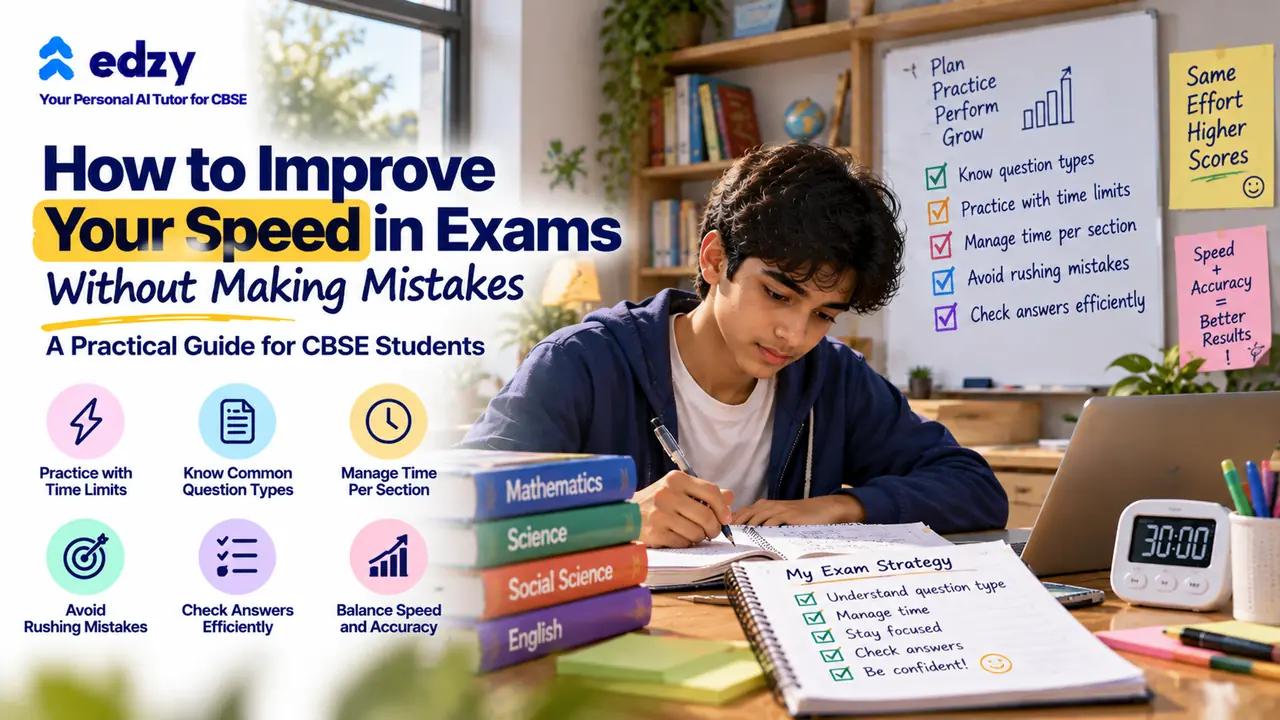
How to Improve Speed in Exams Without Making More Mistakes
Mastering the art of speed and accuracy for CBSE exams.
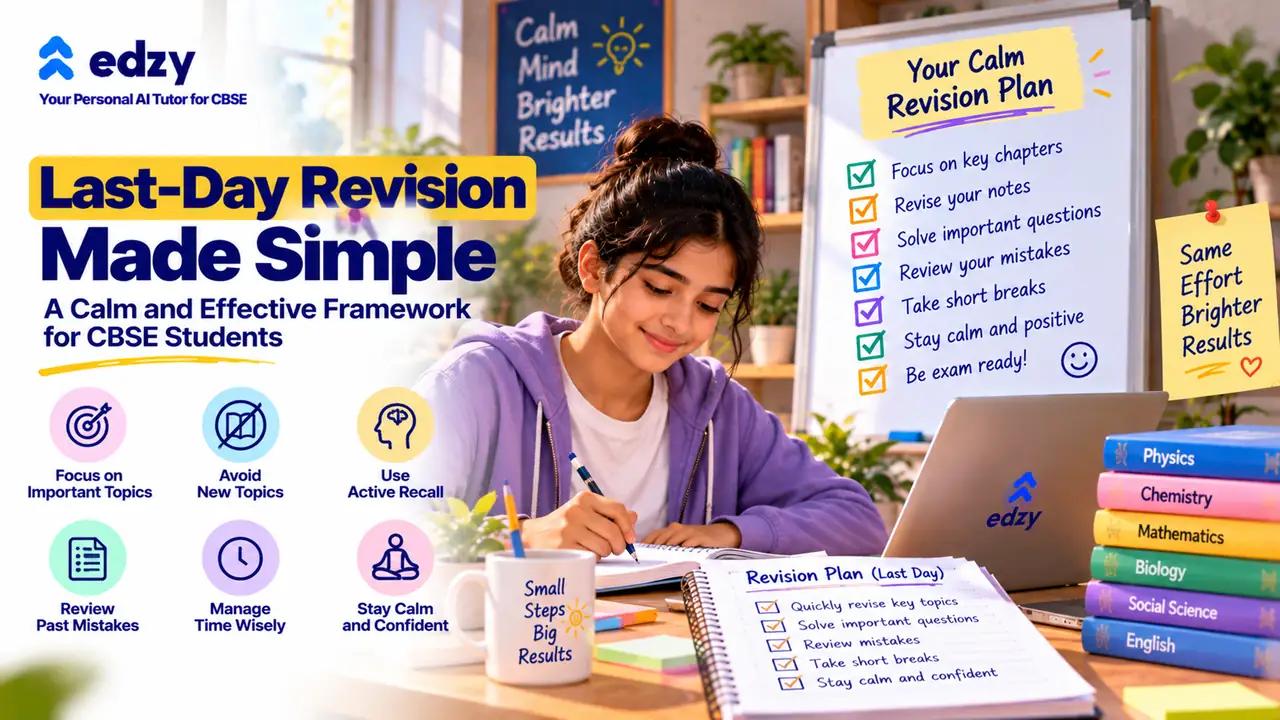
How to Revise One Day Before the Exam (Without Panic)
Mastering last-minute revision for CBSE exams without stress.
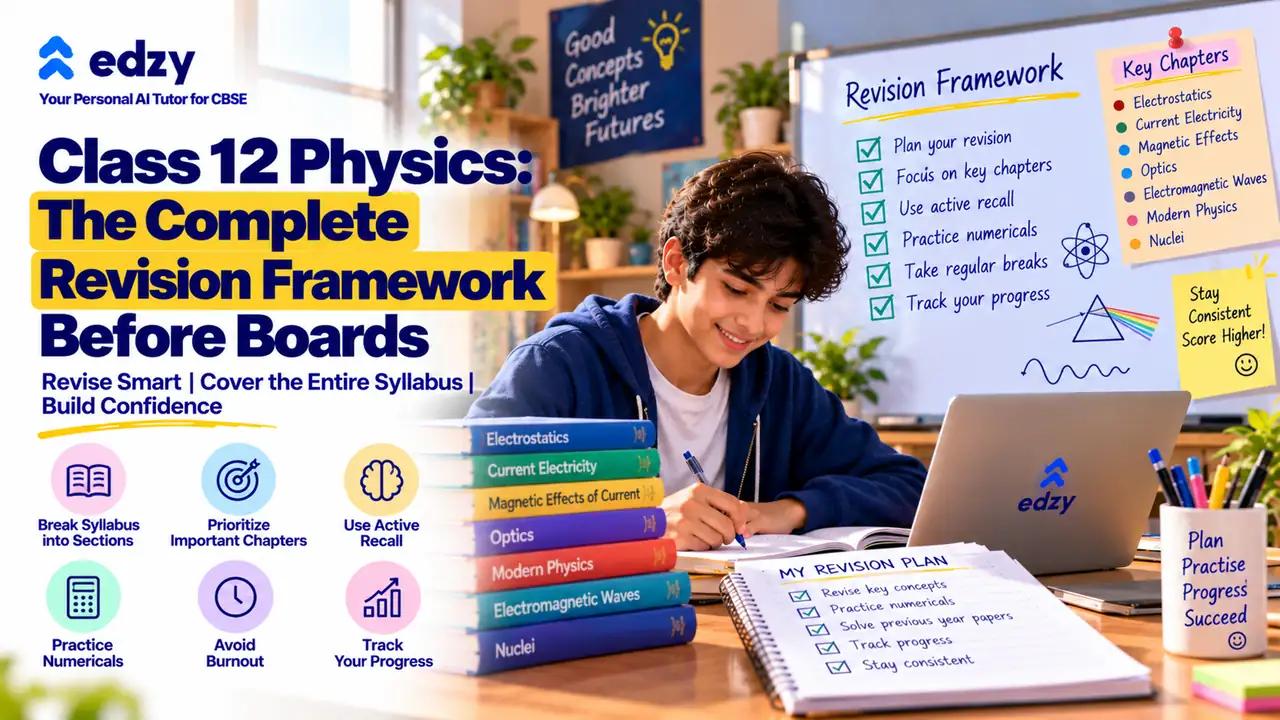
Class 12 Physics: How to Revise Entire Syllabus Before Boards
Mastering the Class 12 Physics syllabus for board exams through efficient revision strategies.
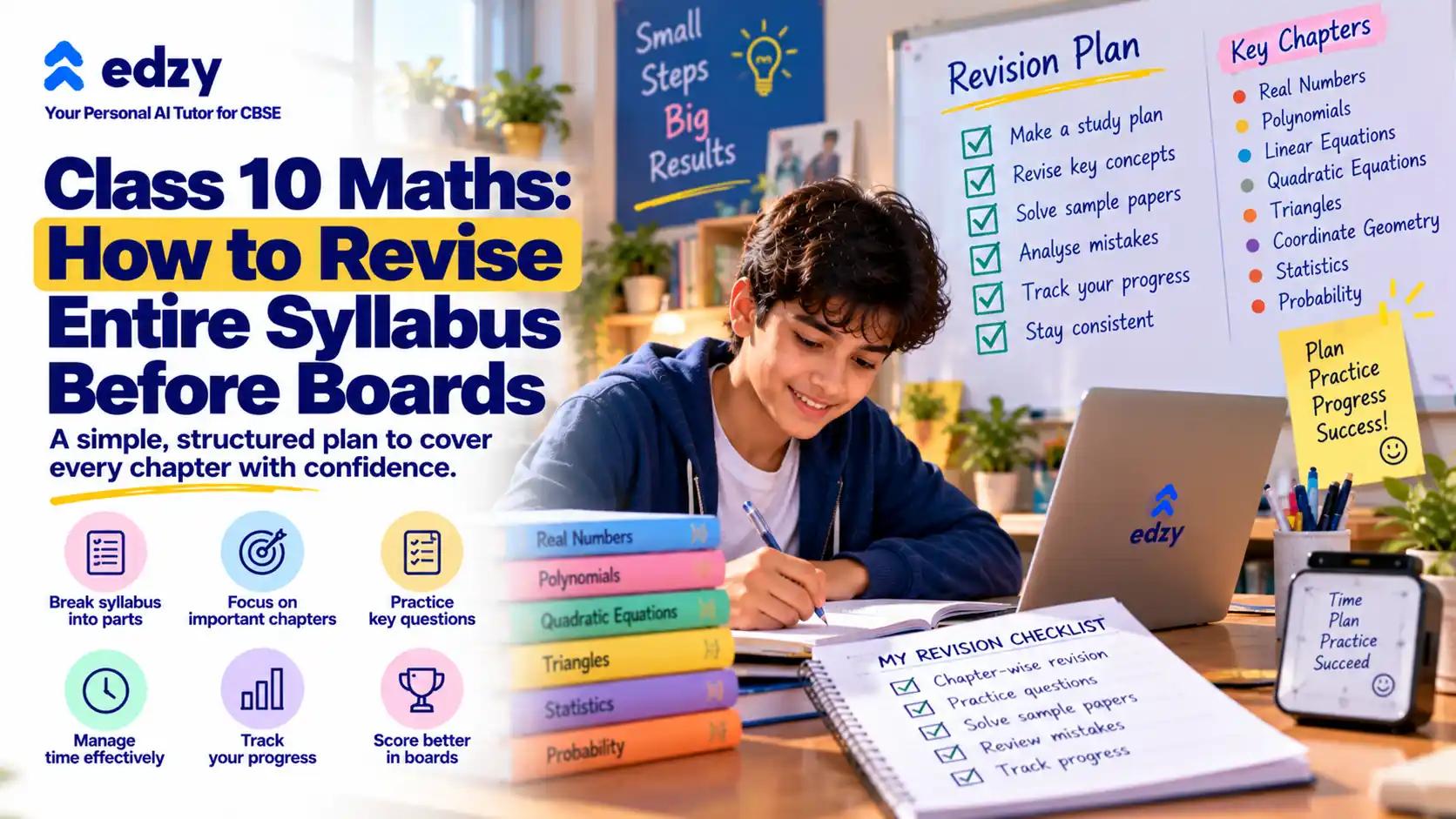
Class 10 Maths: How to Revise Entire Syllabus Before Boards
Mastering the Class 10 Maths syllabus for board exams requires a strategic approach to revision.