
How to Study When You Have Very Less Time Left
Mastering last-minute study techniques for effective exam preparation.
Facing a tight schedule before exams can be overwhelming for students. This blog introduces the concept of 'Focused Sprint Learning,' which helps students maximize their study efficiency in limited time. Readers will discover strategies to prioritize high-impact topics, utilize active recall, and manage stress effectively while preparing for their CBSE exams.


Gaurav Parashar
@gauravparashar
Listen to this article
How to Study When You Have Very Less Time Left
Why Last-Minute Panic Happens
As exams approach, many CBSE students experience a surge of anxiety and panic. This is often due to procrastination, poor time management, or an overwhelming syllabus. For instance, a Class 10 student might realize just days before the exam that they haven't adequately covered key chapters like Quadratic Equations or Photosynthesis. The pressure mounts as they scramble to absorb vast amounts of information in a short time, leading to ineffective study sessions. To avoid this, students can learn how to avoid last-minute cramming and better manage their time.
Understanding the psychology behind this panic is crucial. When students feel they have insufficient time, their brains often enter a state of fight or flight, which can hinder cognitive function. Instead of focusing on the material, they may become fixated on their anxiety, making it harder to retain information. Recognizing this pattern is the first step toward overcoming it.
Prioritizing High-Impact Topics
When time is limited, students must prioritize their study topics effectively. Focus on chapters that carry the most weight in the exam. For example, in CBSE Class 10 Science, chapters like Electricity and Human Eye and Colorful World are often crucial for scoring well. By identifying these high-impact areas, students can allocate their limited study time more efficiently. Reviewing past year papers can help in this process.
To determine which topics to focus on, students should review previous years' question papers. This practice not only highlights frequently asked questions but also familiarizes them with the exam format, such as case-based questions or assertion-reason questions. By concentrating on these areas, students can maximize their chances of scoring well, even with limited preparation time.
Using Active Recall Instead of Reading
Active recall is a powerful study technique that involves retrieving information from memory rather than passively reviewing notes. For instance, a Class 12 student preparing for their Federalism chapter in Social Science should close their book and write down everything they remember about the topic. This method reinforces memory retention and helps identify gaps in knowledge. Students can also explore speed techniques to enhance their recall.
Instead of rereading chapters multiple times, students should create flashcards with key concepts and quiz themselves regularly. This technique not only saves time but also enhances understanding, making it easier to recall information during exams. Additionally, students can use online platforms or apps that facilitate active recall through spaced repetition, further optimizing their study sessions.
Practicing Important Questions
Practicing previous years' questions is essential for effective exam preparation. For example, a Class 9 student studying Laws of Motion should focus on solving past exam questions related to this chapter. This practice helps students become familiar with the types of questions they may encounter, including numerical problems and conceptual queries.
Moreover, students should attempt to solve these questions under timed conditions to simulate the exam environment. This approach not only builds confidence but also improves time management skills, which are crucial during the actual exam. By focusing on important questions, students can ensure they are well-prepared for the exam without feeling overwhelmed. Students can also check out how to check your answers properly to further enhance their exam readiness.
Avoiding New Topics
When time is short, diving into new topics can be counterproductive. Students should focus on revising and consolidating their understanding of previously studied material. For instance, a Class 11 student preparing for their Physics exam should avoid starting new chapters like Waves and instead review concepts from Motion in a Straight Line and Work, Energy and Power.
This strategy allows students to reinforce their existing knowledge and boosts their confidence. By mastering familiar topics, they can approach the exam with a sense of preparedness rather than anxiety. Furthermore, students should create a revision schedule that allocates time for each subject, ensuring they cover all necessary material without introducing new content at the last minute.
Managing Stress
Effective stress management is crucial for students facing tight deadlines. Techniques such as deep breathing, mindfulness, and short breaks can significantly reduce anxiety levels. For example, a Class 10 student overwhelmed by the pressure of upcoming exams might benefit from a 5-minute breathing exercise before diving into their revision of History chapters.
Additionally, students should maintain a balanced diet and ensure they get adequate sleep. Lack of sleep can impair cognitive function and memory retention, making it harder to study effectively. By prioritizing their mental and physical well-being, students can approach their studies with a clearer mind, enhancing their overall performance.
Maximizing Limited Time
To make the most of limited study time, students should employ techniques that enhance productivity. For instance, the 'Focused Sprint Learning' method encourages students to study intensely for short bursts, followed by brief breaks. This approach helps maintain concentration and prevents burnout. A Class 12 student preparing for their English exam could study for 25 minutes, focusing solely on Literature analysis, followed by a 5-minute break to recharge.
During these focused study sessions, students should eliminate distractions, such as mobile phones or social media, to maximize their efficiency. By creating a conducive study environment, they can absorb information more effectively and make significant progress in a short amount of time.
Performing Better Than Expected
With the right strategies in place, students can often perform better than they anticipate, even with limited preparation. For example, a Class 9 student who diligently practices important questions from Motion and Laws of Motion may find themselves more confident and prepared than they initially thought. This newfound confidence can lead to improved performance on exam day.
Moreover, students should remind themselves that their preparation efforts are valuable, regardless of the time constraints. By focusing on what they have learned and applying effective study techniques, they can approach their exams with a positive mindset. This shift in perspective can significantly impact their performance, allowing them to achieve results that exceed their expectations.
Why do CBSE students struggle with last-minute studying? Many students face challenges due to procrastination and anxiety, leading to ineffective study sessions. By employing focused strategies and prioritizing high-impact topics, they can maximize their limited time and improve their exam performance. Additionally, students can explore how to study smarter to enhance their learning efficiency.
In conclusion, mastering the art of studying effectively in a limited timeframe is not just about cramming information. It's about understanding how to prioritize, utilize effective techniques, and manage stress. Every mark a CBSE student loses to a careless error is a mark they already earned — the only task left is making sure it shows up on the paper.
Suggested blogs
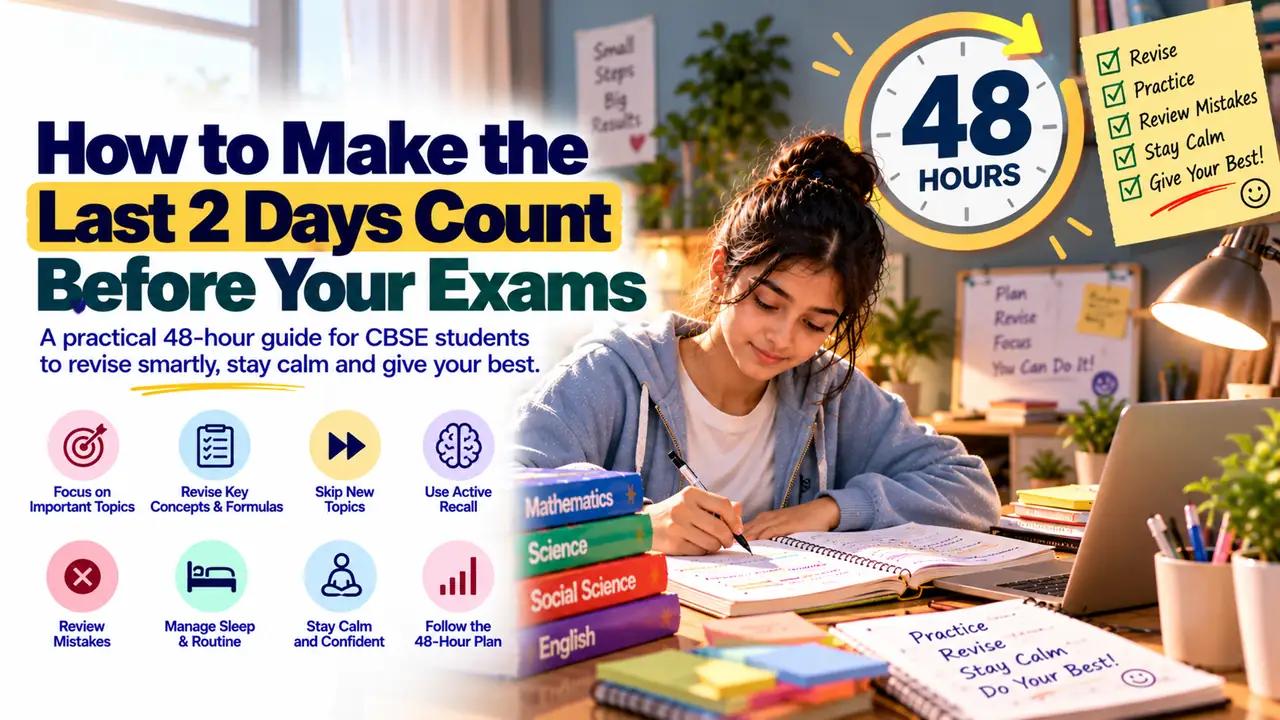
How to Use the Last 48 Hours Before an Exam Effectively
Transforming exam anxiety into a structured plan for success.

How to Plan Your Final Month Before Board Exams (Without Panic)
A structured approach to mastering your final month before board exams, ensuring clarity and confidence.
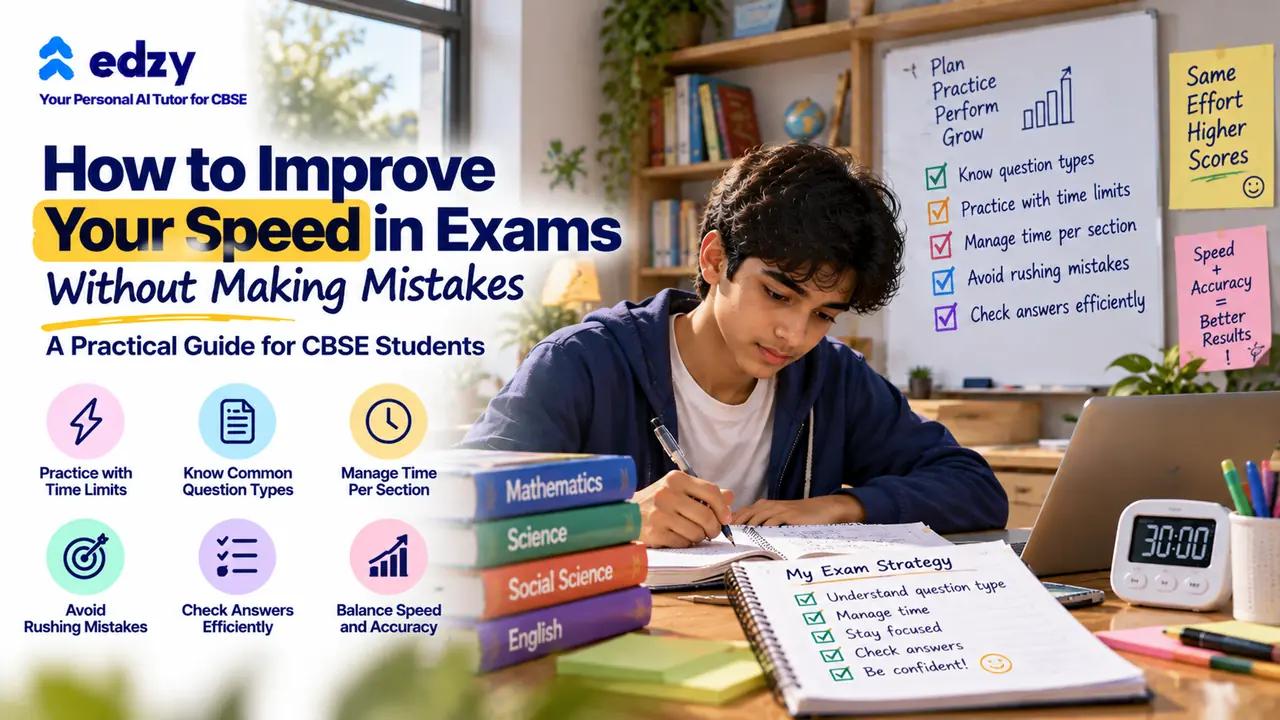
How to Improve Speed in Exams Without Making More Mistakes
Mastering the art of speed and accuracy for CBSE exams.
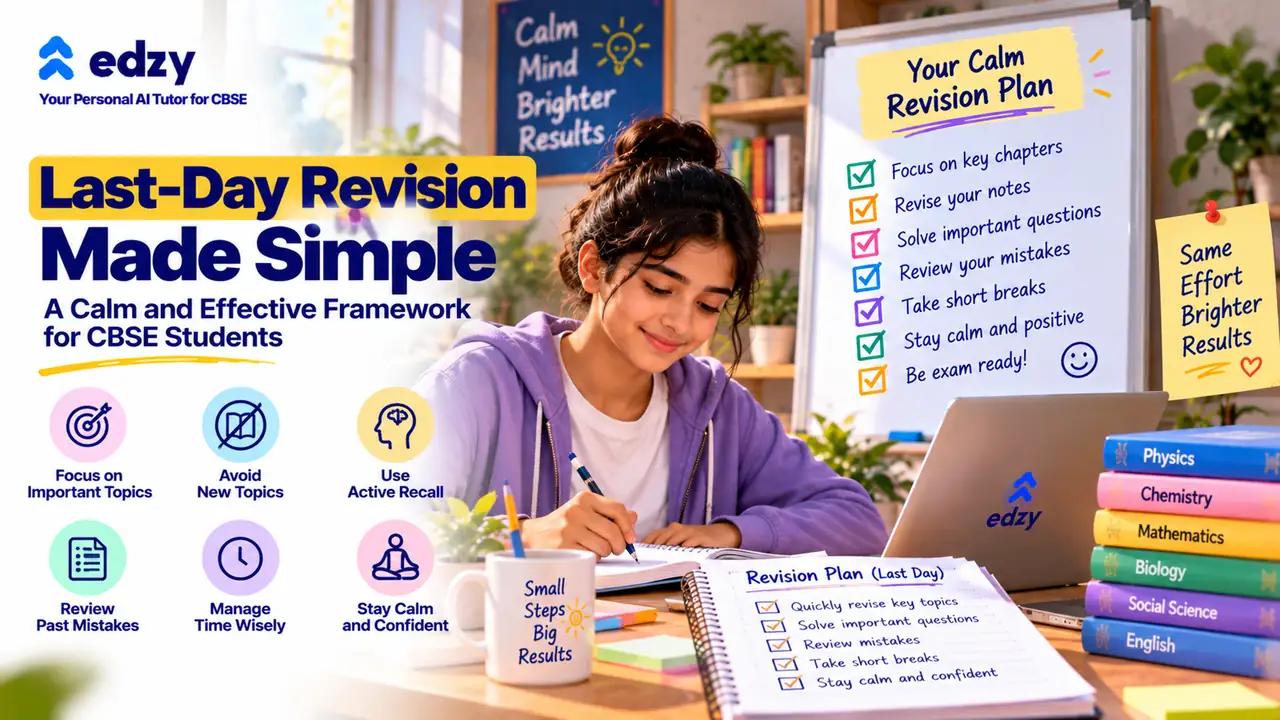
How to Revise One Day Before the Exam (Without Panic)
Mastering last-minute revision for CBSE exams without stress.