
Last Minute Board Exam Preparation Strategy That Actually Works
Smart revision, stress control, and exam hacks for CBSE success in crunch time
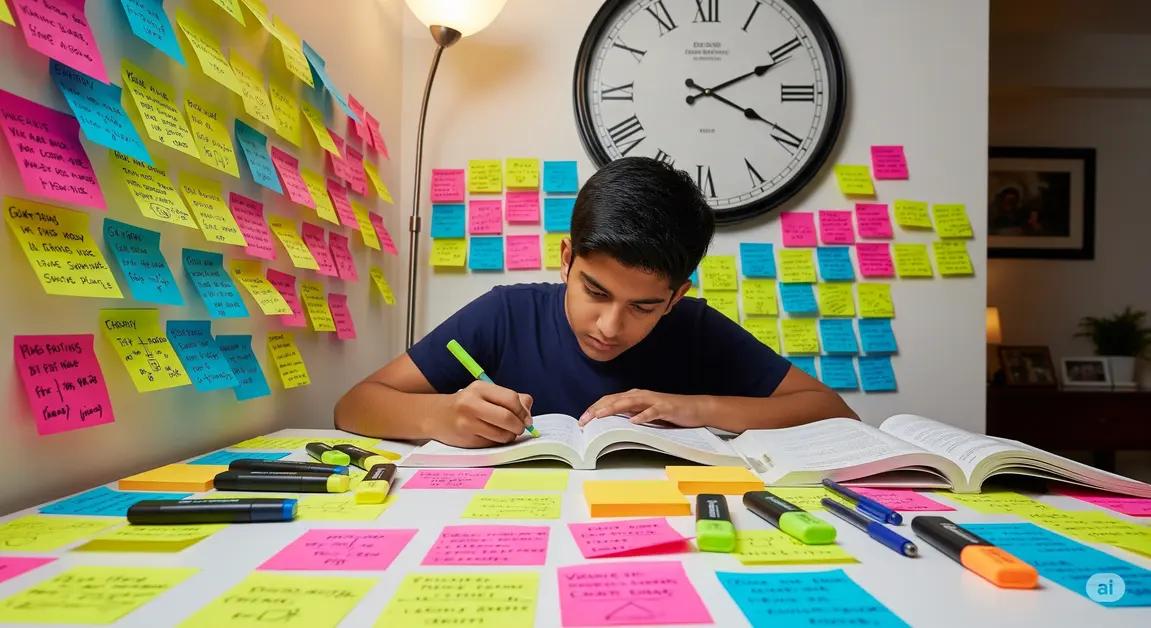
Running out of time before the CBSE board exams? This expert guide walks students through a no-fluff, high-impact strategy to revise effectively, stay focused, and score confidently even with just a few days left.
Listen to this article
Last Minute Board Exam Preparation Strategy That Actually Works
Assessing your current preparation level
The first step before jumping into revision mode is knowing exactly where you stand. Don’t panic — even with limited time, a realistic self-assessment can help you avoid wasting energy on less relevant topics.
Take a quick diagnostic test or sample paper for each subject
Mark chapters you've already covered confidently
Highlight weak topics or frequently missed question types
This snapshot helps you focus only on what's high-value instead of rereading everything.
Creating priority-based study schedules
A last-minute study plan should be lean, targeted, and achievable. Forget the 10-hour cram days — short, focused sessions work better at this stage.
Divide remaining days by subject, prioritizing upcoming exam dates
Use the 60-30-10 rule: 60% time on weak areas, 30% on moderate ones, and 10% quick brush-up of strengths
Build 25–30 min Pomodoro-style slots with 5-min breaks
You can create a schedule on paper or use Edzy’s smart revision planner to auto-suggest study blocks and track your streaks.
High-yield topics and important questions identification
Not all chapters are created equal. Focus on high-weightage topics that are regularly tested in CBSE board exams.
Refer to previous 5-year board papers — spot recurring topics
Check your textbook’s “In-Text” and “Exercise” questions — they’re exam favorites
Use Edzy’s Revision Guide and Question Bank modules to auto-identify must-practice areas
Keep a separate notebook for formulae, diagrams, definitions, and key NCERT terms for each subject.
Rapid revision techniques for different subjects
For Science and Math
Use formula flash cards and concept maps
Revise derivations and equations by teaching them aloud to yourself
Don’t just read — solve 3–5 typical questions from each chapter
For Social Science and English
Summarize each chapter in 5 bullet points
Practice map-based questions and authorship data
Write short answers — reading isn’t enough to retain theory
For Hindi and Languages
Revise grammar formats and writing structures
Read summaries of poems and prose — focus on theme and tone
Memorize 5–7 key idioms, phrases, and formats
Mock test strategies for time management
Attempting full-length mock tests under strict timing conditions gives you a real feel of the board exam pressure.
Pick past year CBSE papers or use Edzy’s timed practice sets
Simulate exam conditions: same time, no phone, full 3 hours
Review errors immediately — focus on silly mistakes and weak concepts
Mock tests are not just for scoring — they’re for learning where you lose marks.
Maintaining physical and mental health
Even in the final stretch, taking care of your body and brain is non-negotiable. Burnout = blank mind during exams.
Sleep 6.5 to 7 hours minimum — memory retention needs rest
Stay hydrated and eat light, energy-rich foods like fruits, dal-rice, and curd
Take a 10-min walk, light exercise, or stretch every 2–3 hours
Also, reduce social media scrolling — it increases anxiety. Use apps like Forest or Edzy’s Duel to focus with friends instead.
Day before exam preparation checklist
The day before your exam isn’t for learning something new. It’s for calming your nerves and reinforcing confidence.
Go through summaries, key points, and mistake notebooks
Organize admit card, stationery, transparent pouch, and ID
Set 2 alarms — one as backup — and sleep by 10:30 PM latest
The goal is to enter the exam hall rested, relaxed, and ready — not rattled.
Exam day execution strategies
When you’re finally sitting in the exam hall, what matters most is how you pace yourself and use those 3 hours.
Use the 15-minute reading time to scan all sections and plan your approach
Start with your strongest section to boost confidence
Keep 10 minutes at the end for review — especially math steps, grammar, and diagrams
You’ve done the hard work — now trust your prep and avoid overthinking.
Every mark counts, but your mental calm counts more. Breathe. Believe. Begin.
Suggested blogs

How to Manage Time During a 3-Hour Exam
Mastering time management for a successful exam experience.

How to Check Your Answers Properly in Exams
Mastering the art of answer checking to secure every mark in CBSE exams.

How to Improve Your Speed in Solving Questions Before Exams
Mastering speed in question-solving is crucial for CBSE students aiming for high marks.
How to Use Past Year Papers the Right Way
Mastering past papers transforms passive practice into effective learning for CBSE students.