Brand Logo

Class 9

Class 9 - English
Moments (9 Chapters)|
Beehive (18 Chapters)|
Words and Expressions - I (9 Chapters)
Class 9 - Health and Physical Education
Health and Physical Education (14 Chapters)
Class 9 - Hindi
Sanchayan (4 Chapters)|
Sparsh (10 Chapters)|
Kshitij (13 Chapters)|
Kritika (4 Chapters)
Class 9 - ICT
Information and Communication Technology (8 Chapters)
Class 9 - Mathematics
Mathematics (12 Chapters)
Class 9 - Sanskrit
Shemushi Prathmo Bhag (10 Chapters)|
Vyakaranavithi (20 Chapters)|
Abhyaswaan Bhav (15 Chapters)
Class 9 - Science
Science (12 Chapters)
Class 9 - Social Science
Contemporary India (6 Chapters)|
Democratic Politics (5 Chapters)|
Economics (4 Chapters)|
India and the Contemporary World - I (5 Chapters)

Class 10

Class 10 - English
First Flight (22 Chapters)|
Foot Prints Without feet (9 Chapters)|
Words and Expressions - II (9 Chapters)
Class 10 - Health and Physical Education
Health and Physical Education (13 Chapters)
Class 10 - Hindi
Kshitij - II (13 Chapters)|
Sparsh (14 Chapters)|
Sanchayan - II (3 Chapters)|
Kritika (3 Chapters)
Class 10 - Mathematics
Mathematics (14 Chapters)
Class 10 - Sanskrit
Vyakaranavithi (14 Chapters)|
Shemushi - II (12 Chapters)|
Abhyaswaan Bhav - II (14 Chapters)
Class 10 - Science
Science (13 Chapters)
Class 10 - Social Science
Contemporary India (7 Chapters)|
Democratic Politics (5 Chapters)|
India and the Contemporary World - II (5 Chapters)|
Understanding Economic Development (5 Chapters)
Class 10 - Urdu
Nawa-e-urdu (25 Chapters)

Class 11

Class 11 - Accountancy
Accountancy - II (2 Chapters)|
Financial Accounting - I (7 Chapters)
Class 11 - Biology
Biology (19 Chapters)
Class 11 - Biotechnology
Biotechnology (12 Chapters)
Class 11 - Business Studies
Business Studies (11 Chapters)
Class 11 - Chemistry
Chemistry Part - I (6 Chapters)|
Chemistry Part - II (3 Chapters)
Class 11 - Computer Science
Computer Science (11 Chapters)
Class 11 - Creative Writing and Translation
Srijan (4 Chapters)
Class 11 - Economics
Statistics for Economics (8 Chapters)|
Indian Economic Development (8 Chapters)
Class 11 - English
Hornbill (11 Chapters)|
Snapshots (5 Chapters)|
Woven Words (27 Chapters)
Class 11 - Fine Art
An Introduction to Indian Art Part - I (8 Chapters)
Class 11 - Geography
Fundamentals of Physical Geography (14 Chapters)|
India Physical Environment (6 Chapters)|
Practical Work in Geography (6 Chapters)
Class 11 - Health and Physical Education
Health and Physical Education (11 Chapters)
Class 11 - History
Themes in World History (13 Chapters)
Class 11 - Home Science
Human Ecology and Family Sciences - I (7 Chapters)|
Human Ecology and Family Sciences - II (4 Chapters)
Class 11 - Informatics Practices
Informatics Practices (8 Chapters)
Class 11 - Knowledge Traditions Practices of India
Knowledge Traditions Practices of India (9 Chapters)
Class 11 - Mathematics
Mathematics (14 Chapters)
Class 11 - Physics
Physics Part - I (7 Chapters)|
Physics Part - II (7 Chapters)
Class 11 - Political Science
Indian Constitution at Work (10 Chapters)|
Political Theory (8 Chapters)
Class 11 - Psychology
Introduction to Psychology (8 Chapters)
Class 11 - Sangeet
Tabla evam Pakhawaj (8 Chapters)|
Hindustani Sangeet Gayan Evam Vadan (10 Chapters)
Class 11 - Sociology
Understanding Society (5 Chapters)|
Introducing Sociology (5 Chapters)

Class 12

Class 12 - Accountancy
Accountancy Part - I (4 Chapters)|
Accountancy Part - II (6 Chapters)
Class 12 - Biology
Biology (13 Chapters)
Class 12 - Biotechnology
Biotechnology (13 Chapters)
Class 12 - Business Studies
Business Studies - II (3 Chapters)|
Business Studies - I (8 Chapters)
Class 12 - Chemistry
Chemistry - II (5 Chapters)|
Chemistry - I (5 Chapters)
Class 12 - Computer Science
Computer Science (13 Chapters)
Class 12 - Economics
Introductory Microeconomics (5 Chapters)|
Introductory Macroeconomics (6 Chapters)
Class 12 - English
Flamingo (14 Chapters)|
Vistas (7 Chapters)|
Kaliedoscope (21 Chapters)
Class 12 - Fine Art
An Introduction to Indian Art Part - II (8 Chapters)
Class 12 - Geography
Practical Work in Geography - Part II (4 Chapters)|
Fundamentals of Human Geography (8 Chapters)|
India - People and Economy (9 Chapters)
Class 12 - Hindi
Aroh (15 Chapters)|
Antra (23 Chapters)|
Antral Bhag - II (3 Chapters)|
Vitan (3 Chapters)
Class 12 - History
Themes in Indian History - III (4 Chapters)|
Themes in Indian History - I (4 Chapters)|
Themes in Indian History - II (4 Chapters)
Class 12 - Home Science
Human Ecology and Family Sciences Part I (7 Chapters)|
Human Ecology and Family Sciences Part II (7 Chapters)
Class 12 - Informatics Practices
Informatics Practices (7 Chapters)
Class 12 - Mathematics
Mathematics Part - I (6 Chapters)|
Mathematics Part - II (7 Chapters)
Class 12 - Physics
Physics Part - I (8 Chapters)|
Physics Part - II (6 Chapters)
Class 12 - Political Science
Politics in India Since Independence (8 Chapters)|
Contemporary World Politics (7 Chapters)
Class 12 - Psychology
Psychology (7 Chapters)
Class 12 - Sangeet
Hindustani Sangeet Gayan Evam Vadan (9 Chapters)|
Tabla evam Pakhawaj (7 Chapters)
Class 12 - Sociology
Social Change and Development in India (8 Chapters)|
Indian Society (7 Chapters)

About Edzy - Gamified Learning Platform

Edzy is India's premier gamified AI tutor platform for CBSE and State Board students in classes 6-12. Our platform transforms traditional studying with AI-powered study plans, interactive practice sessions, and personalized learning pathways. Students using Edzy experience unmatched learning efficiency through our immersive educational environment that combines advanced technology with curriculum-aligned content.

Why Choose Edzy for CBSE and State Board Preparation

Edzy offers an adaptive AI educational experience tailored to each student's learning style and pace. We integrate gamification with proven educational strategies to create an engaging environment that students love. Our micro-content approach breaks down complex CBSE and State Board topics into manageable lessons, building confidence through mastery-based progression and real-time feedback.

CBSE and State Board Focus Areas

Edzy specializes in transforming online education for classes 6-12 with AI-powered tutoring. We provide comprehensive NCERT-aligned content and engaging lessons across Mathematics, Science, English, Social Studies, and IT. Our system helps students master fundamental concepts and excel in board exams through AI-generated study plans, personalized learning timelines, and dynamic practice sessions.

Edzy's Unique Approach to Online Learning

Unlike traditional online coaching platforms, Edzy converts CBSE and State Board syllabus content into interactive learning adventures. Our AI tutor provides timely assistance while adapting to student progress. The platform features instant feedback, gamified practice sessions, and achievement badges to motivate continuous learning and concept mastery.

Brand Logo

Edzy | Largest Online Learning Platform for Classes 6–12

Study smarter with Edzy – India’s leading gamified AI tutor for CBSE and State Boards. Designed for Classes 6–12, Edzy offers interactive lessons, AI-powered study plans, and rewarding practice tools for every subject.

Find us on Social Media

Links

About EdzyFAQsContact UsCBSE CoursesDuelsRumblesEdzy App

Parents & Teachers

Search EdzyParent DashboardCreator PlatformEducation BlogCBSE & NCERT News

Policies

Terms and ConditionsRefund PolicyPrivacy PolicyCookie Policy

© 2026 Edzy | Largest Online Learning Platform for Classes 6–12. All rights reserved.

Edzy is an AI tutor for CBSE and State Board students, offering interactive lessons and personalized learning for Classes 6–12.

SitemapNews SitemapBlog SitemapSchool SitemapAccessibility
Home
All News

NATIONAL SEMINAR on Social Sci...

NCERT
Jan 23, 2026

NATIONAL SEMINAR on Social Science Education (2026) Date Updated

A Deep Dive into the Future of Social Science Education in India

Explore the latest updates on the National Seminar on Social Science Education scheduled for 2026, focusing on its significance, themes, and implications for educators and students alike.
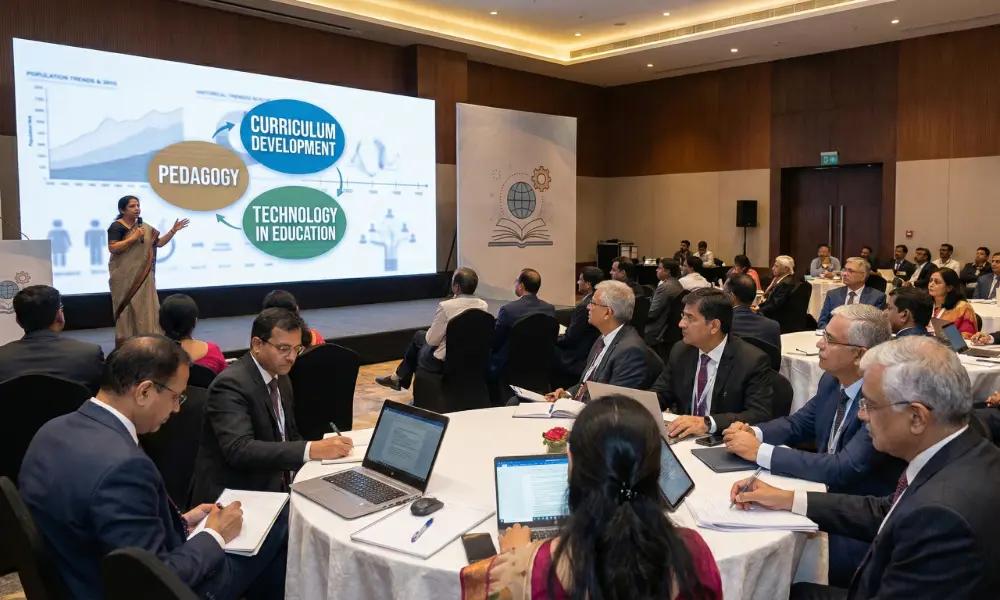
NATIONAL SEMINAR on Social Science Education (2026) Date Updated

The National Council of Educational Research and Training (NCERT) has recently updated the schedule for the upcoming National Seminar on Social Science Education, set to take place in 2026. This seminar aims to address the evolving landscape of social science education in India, focusing on innovative teaching methodologies, curriculum development, and the integration of technology in classrooms. Educators, policymakers, and researchers are encouraged to participate in this significant event that promises to shape the future of social science education in the country.

Significance of the National Seminar

The National Seminar on Social Science Education serves as a crucial platform for stakeholders in the education sector to come together and discuss pressing issues, share best practices, and explore new ideas. With the increasing importance of social sciences in understanding societal dynamics, this seminar aims to enhance the quality of education in this field.

Objectives of the Seminar

  • To promote dialogue among educators, researchers, and policymakers.

  • To explore innovative teaching methods and strategies in social science education.

  • To discuss the integration of technology in social science curricula.

  • To evaluate current educational policies and their impact on social science education.

  • To encourage interdisciplinary approaches in teaching social sciences.

Key Themes and Topics

The seminar will cover a wide array of themes pertinent to social science education, including but not limited to:

  • Curriculum Development: Discussing the need for a dynamic curriculum that reflects contemporary societal issues.

  • Pedagogical Innovations: Exploring new teaching methodologies that engage students and enhance learning outcomes.

  • Technology Integration: Examining the role of digital tools and resources in facilitating social science education.

  • Assessment and Evaluation: Analyzing effective assessment strategies to measure students' understanding and skills in social sciences.

  • Interdisciplinary Approaches: Encouraging collaboration between different disciplines to enrich social science education.

Who Should Attend?

The National Seminar is designed for a diverse audience, including:

  • Educators and teachers from schools and colleges.

  • Researchers and scholars in the field of social sciences.

  • Policy makers and educational administrators.

  • Students pursuing degrees in education and social sciences.

  • NGOs and organizations focused on education reform.

Implications for Educators

For educators, the National Seminar on Social Science Education presents an invaluable opportunity to gain insights into the latest trends and research in the field. By participating, educators can:

  • Enhance their teaching practices through exposure to innovative methodologies.

  • Network with other professionals and share experiences and challenges.

  • Contribute to the development of effective policies and practices in social science education.

  • Stay updated on the integration of technology in the classroom.

Registration Details

Interested participants are encouraged to register for the seminar as soon as possible. Registration details, including fees and deadlines, can be found on the official NCERT website. Early registration is advisable to secure a spot, as the seminar is expected to attract a large number of participants.

Conclusion

The National Seminar on Social Science Education in 2026 is poised to be a landmark event that will influence the future of social science education in India. By bringing together educators, researchers, and policymakers, the seminar aims to foster collaboration and innovation in teaching and learning. As we prepare for this significant event, it is essential for all stakeholders to engage actively and contribute to the discourse on enhancing social science education.

Related News
NCERT Issues Public Apology: Understanding the Implications for Students and Educators
NCERT
Mar 10, 2026

NCERT Issues Public Apology: Understanding the Implications for Students and Educators

Karnataka Budget Announces AI Tutor for 1.2 Million Students
NCERT
Gaurav Parashar|Mar 07, 2026

Karnataka Budget Announces AI Tutor for 1.2 Million Students

Understanding the NCERT Grade 9 Syllabus for Languages
NCERT
Feb 06, 2026

Understanding the NCERT Grade 9 Syllabus for Languages

Rashtriya Avishkar Saptah 2025-26: Emphasizing Tree Plantation and Water Conservation
NCERT
Jan 01, 2026

Rashtriya Avishkar Saptah 2025-26: Emphasizing Tree Plantation and Water Conservation