
Rashtriya Avishkar Saptah 2025-26: Emphasizing Tree Plantation and Water Conservation
Guidelines for Phase I and Phase II of the Initiative
Explore the guidelines for the Rashtriya Avishkar Saptah 2025-26 focusing on tree plantation and water conservation, aimed at enhancing environmental awareness among students.
Listen to this article
Rashtriya Avishkar Saptah 2025-26: Emphasizing Tree Plantation and Water Conservation
Introduction to Rashtriya Avishkar Saptah
The Rashtriya Avishkar Saptah (RAS) is an initiative by the NCERT aimed at fostering scientific temper and creativity among students. The upcoming 2025-26 phase emphasizes two critical environmental issues: tree plantation and water conservation. This initiative not only aims to enhance students' understanding of these topics but also encourages them to actively participate in environmental conservation efforts.
Objectives of Rashtriya Avishkar Saptah 2025-26
The primary objectives of the Rashtriya Avishkar Saptah for the academic year 2025-26 include:
To instill a sense of responsibility towards the environment among students.
To promote hands-on learning experiences related to tree plantation and water conservation.
To encourage schools to develop sustainable practices within their communities.
To enhance collaboration between students, teachers, and local communities in environmental initiatives.
Phase I: Tree Plantation Initiatives
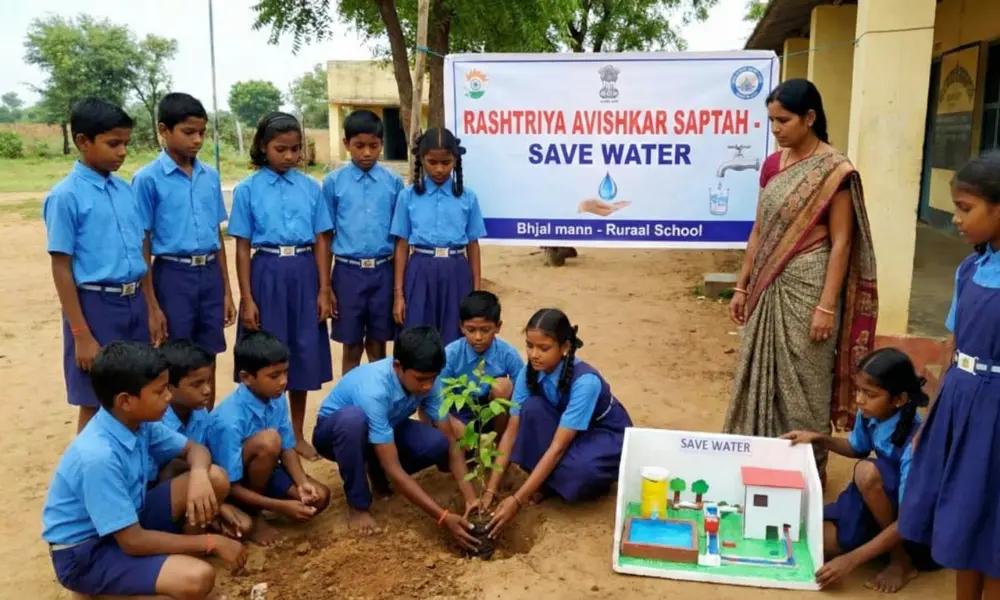
Phase I of the Rashtriya Avishkar Saptah focuses on tree plantation activities. Schools are encouraged to organize tree planting drives, where students can actively participate in planting trees in and around their school premises or local communities. The guidelines suggest the following activities:
Tree Plantation Drives: Organizing events where students can plant saplings, learn about different tree species, and understand their ecological importance.
Workshops and Seminars: Conducting sessions with environmentalists to educate students about the benefits of trees and the role they play in combating climate change.
Adopt-a-Tree Program: Encouraging students to take responsibility for the care of a tree they plant, fostering a sense of ownership and commitment to environmental stewardship.
Benefits of Tree Plantation
Engaging in tree plantation activities offers numerous benefits, including:
Environmental Impact: Trees help in reducing air pollution, conserving water, and providing habitat for wildlife.
Educational Value: Students learn about biodiversity, ecosystems, and the importance of sustainable practices.
Community Engagement: These activities foster teamwork and collaboration among students, teachers, and local communities.
Phase II: Water Conservation Efforts
Following the tree plantation phase, Phase II will focus on water conservation. With increasing concerns over water scarcity, this phase aims to educate students about the importance of conserving water and implementing sustainable practices. Suggested activities include:
Water Audits: Students can conduct audits to assess water usage in their schools and homes, identifying areas for improvement.
Rainwater Harvesting Projects: Schools can initiate projects to collect and store rainwater, teaching students about alternative water sources.
Awareness Campaigns: Organizing campaigns to raise awareness about water conservation techniques, such as fixing leaks and using water-saving fixtures.
Importance of Water Conservation
Water conservation is crucial for several reasons:
Resource Management: With the growing population, managing water resources efficiently is essential for sustainability.
Environmental Protection: Conserving water helps protect ecosystems and maintain biodiversity.
Cost Savings: Reducing water usage can lead to lower utility bills for families and schools.
Implementation Strategies for Schools
To successfully implement the Rashtriya Avishkar Saptah initiatives, schools can adopt the following strategies:
Forming Eco-Clubs: Establishing eco-clubs within schools can provide a platform for students to lead environmental initiatives.
Collaboration with Local Authorities: Partnering with local government bodies or NGOs can enhance the impact of the initiatives.
Incorporating into Curriculum: Integrating environmental education into the school curriculum can ensure that students understand the significance of these initiatives.
Conclusion
The Rashtriya Avishkar Saptah 2025-26 is a significant step towards nurturing environmentally conscious citizens. By focusing on tree plantation and water conservation, this initiative not only aims to educate students but also empowers them to take action in their communities. Schools play a pivotal role in this process, and with the right strategies and enthusiasm, they can lead the way in fostering a sustainable future.
Further Resources
For more detailed guidelines and resources related to the Rashtriya Avishkar Saptah, you can refer to the official document available at the NCERT website: Rashtriya Avishkar Saptah Guidelines.
Related News

Extension of Last Date for PRAYAAS 2026-27 Applications Announced

Guidelines for Preservation and Weeding Out of Examination Records

Pension Disbursement Commences through E-Samarth Module for CBSE Employees

Order Regarding Sh. Amitabh Kumar and Sh. Bhoopender Singh at NCERT