
Chatbots, AI Tutors, and Beyond: The Future of Smart Classrooms in CBSE Schools
Exploring the transformative role of AI in CBSE education
This blog delves into how AI tutors and chatbots are revolutionizing learning in CBSE schools, enhancing the educational experience for students and teachers alike.
Listen to this article
Chatbots, AI Tutors, and Beyond: The Future of Smart Classrooms in CBSE Schools
The landscape of education is undergoing a significant transformation, particularly in CBSE schools across India. The integration of technology into the classroom is no longer a futuristic concept; it is a reality that is reshaping the way students learn and teachers instruct. At the forefront of this revolution are artificial intelligence (AI) tutors and chatbots, which are enhancing the educational experience in ways previously unimaginable. This blog will explore the role of these technologies in smart classrooms, how they enhance the CBSE curriculum, and the future possibilities they bring.
Introduction to Smart Classrooms and AI
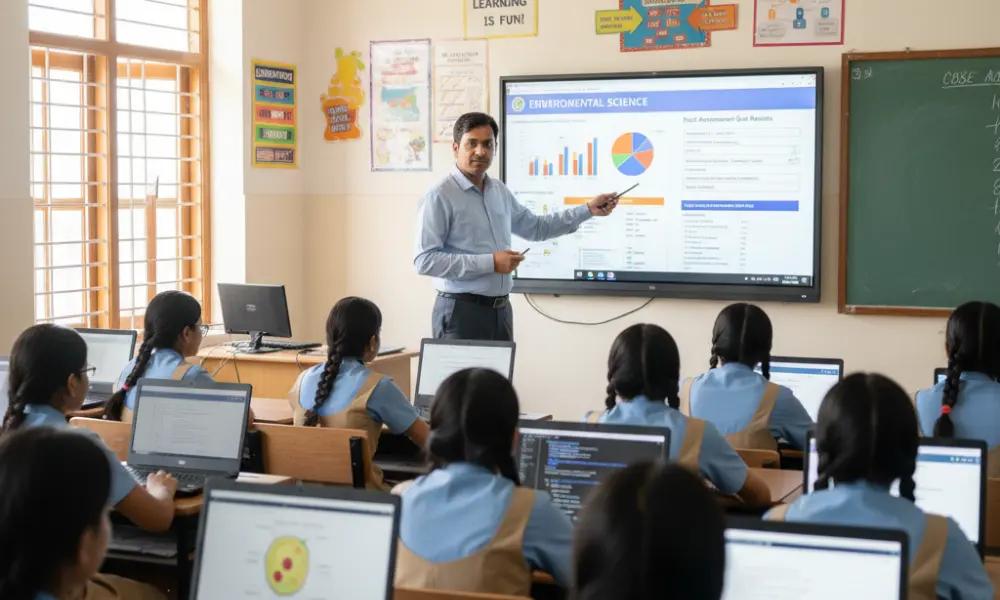
Smart classrooms are equipped with advanced technology that facilitates interactive learning. These classrooms utilize digital tools, including projectors, interactive whiteboards, and online resources, to create a dynamic learning environment. AI plays a pivotal role in this setup, providing personalized learning experiences that cater to the individual needs of students.
AI tutors and chatbots are designed to assist students in their learning journey. They can answer questions, provide explanations, and offer practice exercises tailored to a student’s specific learning pace and style. This personalized approach not only enhances understanding but also boosts student engagement and motivation.
How AI Enhances CBSE Curriculum Delivery
The CBSE curriculum is comprehensive, covering a wide range of subjects and topics. AI tools can significantly enhance the delivery of this curriculum by providing interactive and engaging content. For instance, AI tutors can break down complex concepts in subjects like Mathematics and Science into simpler, digestible parts, making it easier for students to grasp difficult topics.
Moreover, AI can analyze a student’s performance in real-time, identifying areas where they struggle and providing additional resources or exercises to help them improve. This adaptive learning model ensures that no student is left behind, as the AI tutor adjusts the learning path based on individual progress.
For example, in a CBSE Mathematics class, an AI tutor can offer personalized quizzes based on the student’s previous performance, focusing on topics they find challenging, such as algebra or geometry. This targeted approach not only reinforces learning but also builds confidence in students.
Examples of Chatbots and Intelligent Tutors
Several AI-driven platforms are already making waves in the education sector. Chatbots like Edzy are designed to assist students with their queries, providing instant feedback and support. These chatbots can answer questions related to homework, exam preparation, and even general knowledge, making them a valuable resource for students.
Intelligent tutors, on the other hand, offer a more comprehensive learning experience. For instance, platforms like Byju’s and Vedantu utilize AI to create interactive lessons and assessments that adapt to the student’s learning style. These platforms not only provide video lessons but also incorporate quizzes and interactive exercises that keep students engaged.
In CBSE schools, the integration of such tools can enhance classroom learning. Teachers can use AI tutors to supplement their teaching, allowing them to focus on facilitating discussions and providing personalized support to students who need it most.
Benefits for Teachers Students and Parents
The adoption of AI in education brings numerous benefits for teachers, students, and parents alike. For teachers, AI tools can alleviate some of the administrative burdens, allowing them to focus more on teaching. With AI handling tasks like grading and providing feedback, teachers can dedicate more time to engaging with students and addressing their individual needs.
Students benefit from personalized learning experiences that cater to their unique strengths and weaknesses. AI tutors provide instant feedback, helping students understand their mistakes and learn from them in real-time. This immediate support can lead to improved academic performance and a greater love for learning.
Parents also play a crucial role in this ecosystem. With AI tools, parents can track their child’s progress more effectively. Many platforms provide detailed reports on a student’s performance, highlighting areas of improvement and suggesting resources for further study. This transparency fosters a collaborative approach to education, where parents can actively support their child’s learning journey.
Challenges of Adoption in Indian Schools
Despite the numerous advantages, the adoption of AI in Indian schools is not without challenges. One of the primary concerns is the digital divide. Not all students have equal access to technology, which can create disparities in learning opportunities. Schools in urban areas may have better access to AI tools compared to those in rural regions, leading to unequal educational outcomes.
Another challenge is the resistance to change among educators. Many teachers may feel overwhelmed by the rapid pace of technological advancements and may require training to effectively integrate AI tools into their teaching practices. Professional development programs are essential to equip teachers with the necessary skills to leverage AI in the classroom.
Additionally, there are concerns about data privacy and security. As AI tools collect and analyze student data, ensuring that this information is protected is crucial. Schools must implement robust data protection measures to safeguard student information and build trust among parents and educators.
Future Possibilities AR VR and Mixed Reality
Looking ahead, the future of smart classrooms is promising, with the potential for augmented reality (AR), virtual reality (VR), and mixed reality technologies to further enhance the learning experience. These technologies can create immersive learning environments that allow students to explore complex concepts in a hands-on manner.
For example, in a science class, students could use VR to conduct virtual experiments, observing chemical reactions in a safe and controlled environment. Similarly, AR can bring historical events to life, allowing students to interact with 3D models of historical figures or landmarks.
The integration of these technologies into the CBSE curriculum can foster creativity and critical thinking skills, preparing students for the challenges of the future. As these tools become more accessible, they will undoubtedly play a significant role in shaping the educational landscape.
How Edzy Fits into the AI Learning Ecosystem
Edzy is at the forefront of this educational revolution, providing a gamified AI tutoring experience tailored specifically for CBSE and NCERT students. By combining engaging content with AI-driven insights, Edzy offers a unique platform that supports personalized learning.
With features like interactive quizzes, instant feedback, and a vast library of resources, Edzy empowers students to take charge of their learning journey. The platform adapts to each student’s learning style, ensuring that they receive the support they need to succeed.
Moreover, Edzy fosters a collaborative learning environment where students can connect with peers and teachers, enhancing the overall educational experience. By integrating AI into the learning process, Edzy is helping to bridge the gap between traditional teaching methods and the demands of the digital age.
Final Prediction AI as a Co-Teacher
As we look to the future, it is clear that AI will play an increasingly important role in education. Rather than replacing teachers, AI will serve as a co-teacher, complementing traditional teaching methods and enhancing the learning experience for students.
With AI tutors providing personalized support and chatbots answering queries, teachers will have more time to focus on fostering critical thinking and creativity in their students. This collaborative approach will create a more engaging and effective learning environment, preparing students for the challenges of the 21st century.
In conclusion, the integration of AI in CBSE schools marks a significant step towards a more personalized and effective educational experience. By embracing these technologies, educators, students, and parents can work together to create a brighter future for learning in India.
Suggested blogs
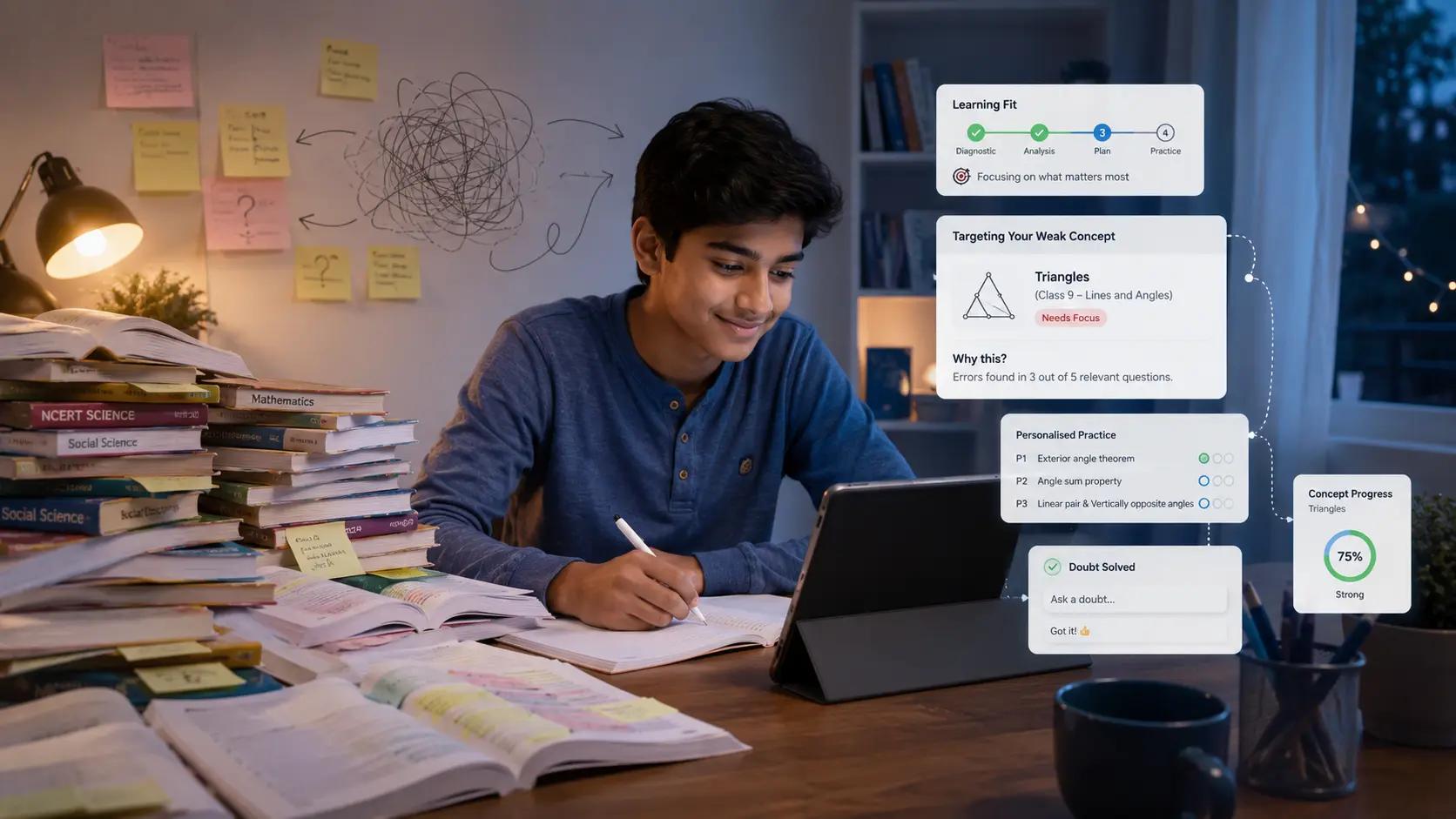
What Personalised Learning Actually Means for a CBSE Student (And Why It's Not What Most People Think)
Most students hear "personalised learning" and think pace. The real advantage is precision here's what that looks like for CBSE preparation.
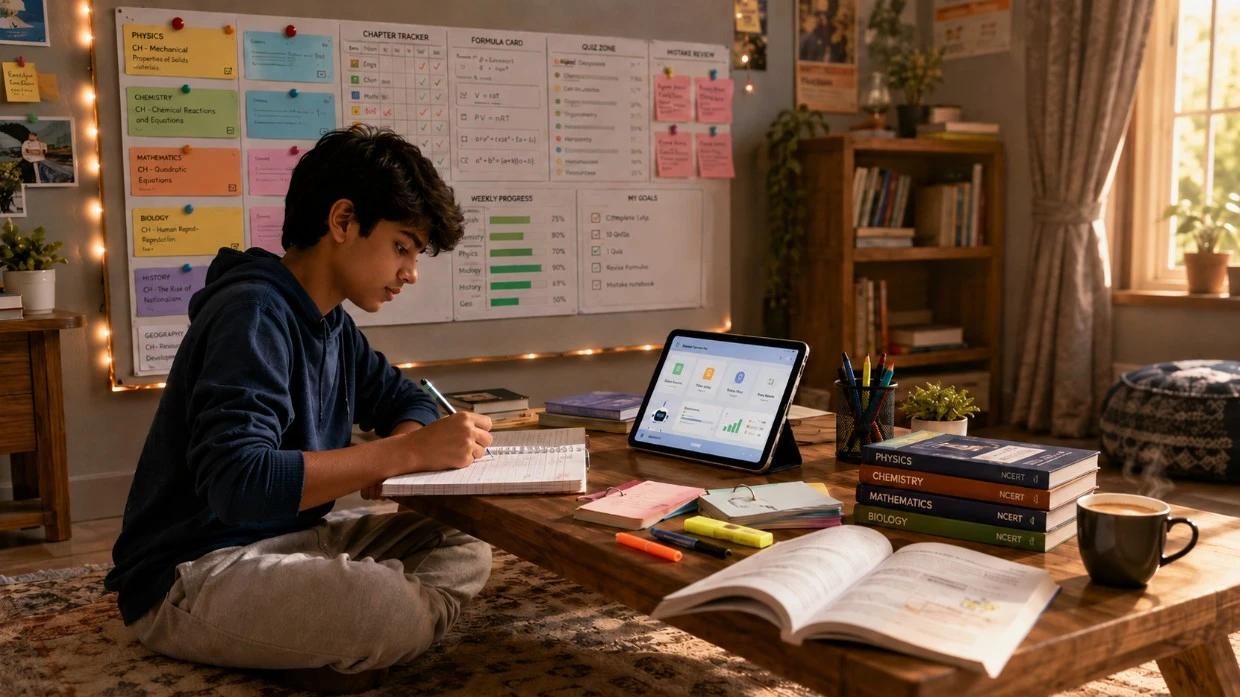
How to Actually Use AI for CBSE Board Exam Preparation (Without Wasting Time on It)
Most students use AI the wrong way during revision. Here's the method that actually builds retention before board exams.
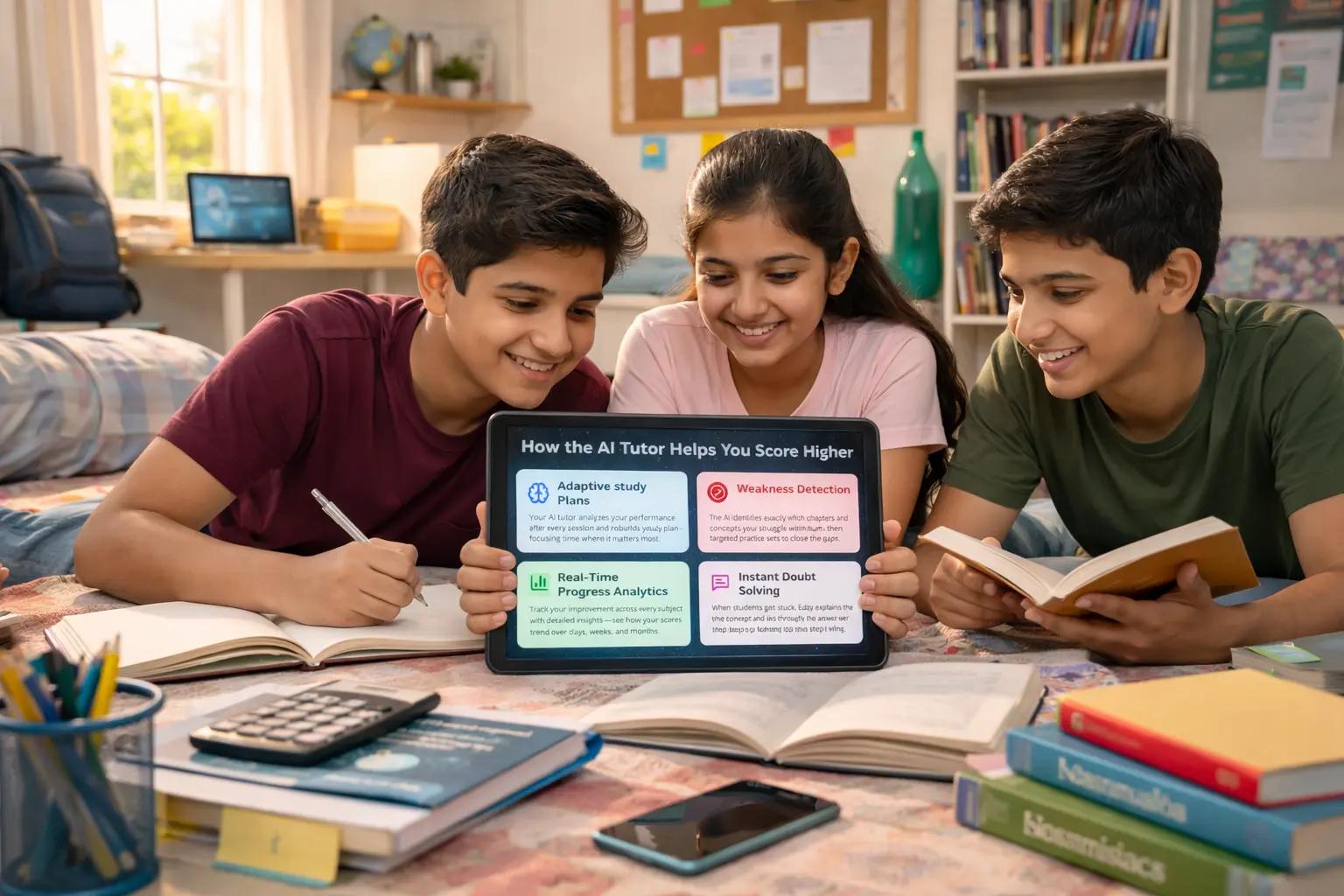
How AI-Based Practice Helps CBSE Class 10 Students Transition to Class 11
Navigating the academic leap from Class 10 to Class 11 with AI support
How AI Can Help CBSE Class 10 Students Revise Smarter During Holidays
Discover how AI tools can make holiday study effective yet enjoyable for CBSE Class 10 students.